Under the Monumental
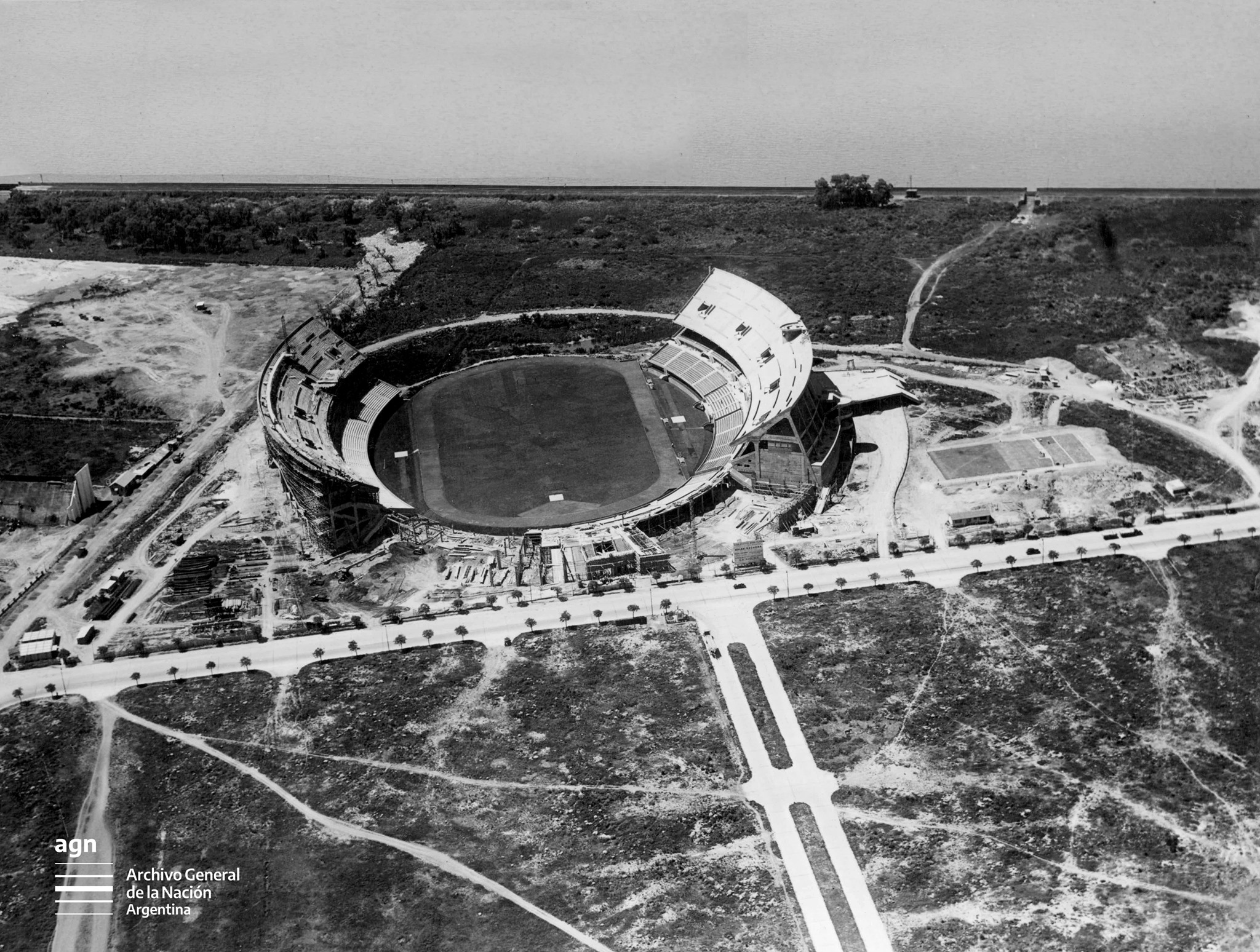
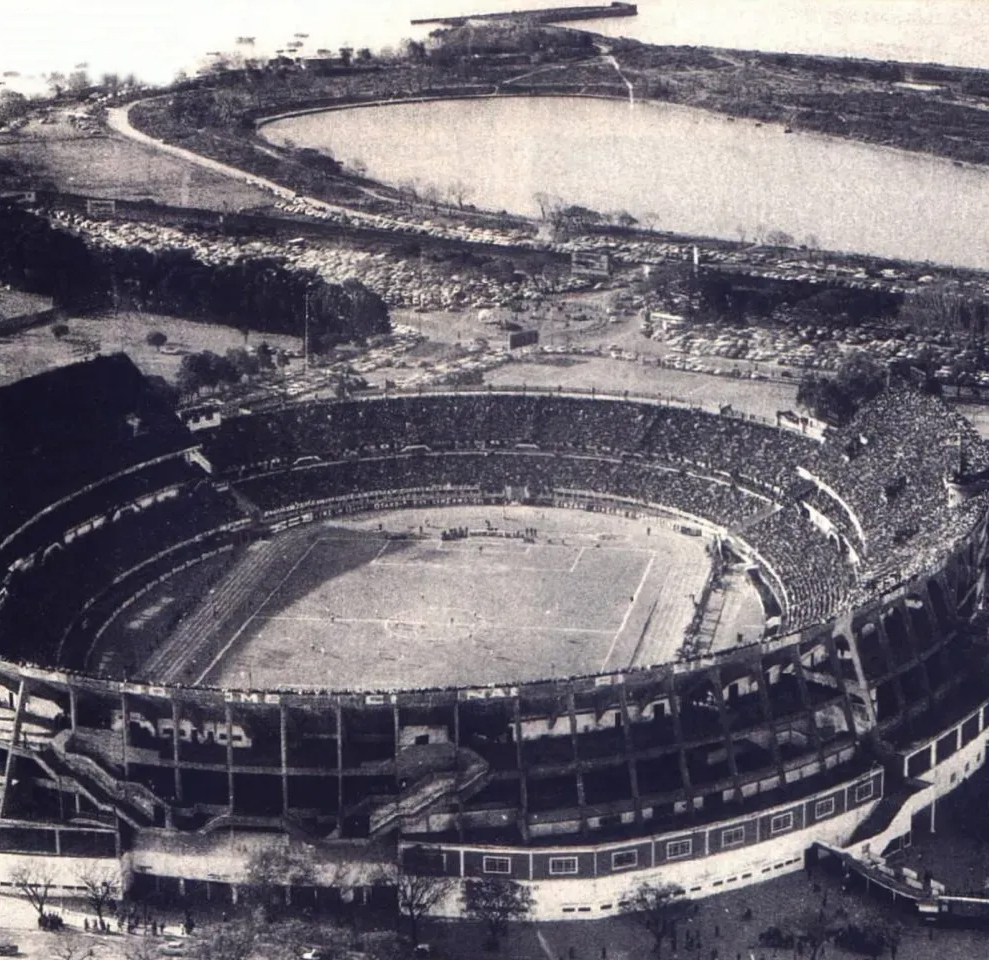
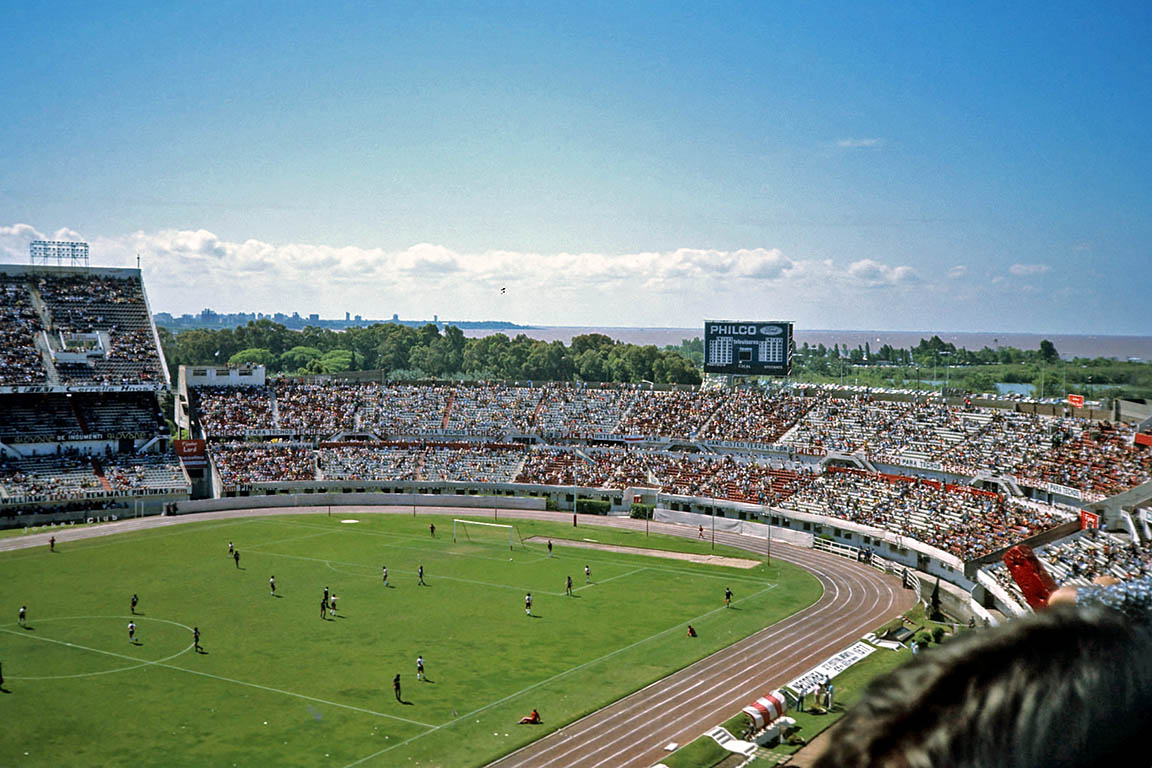
River Plate takes its name from the river. It was born on its banks, in La Boca, and throughout its history it kept moving, always staying close to the coast. Even in Núñez —its current location— the relationship with the river persists, though now distant and tamed by urbanization. The club’s history is tied to the water and to the unstable ground on which it settled each of its pitches.
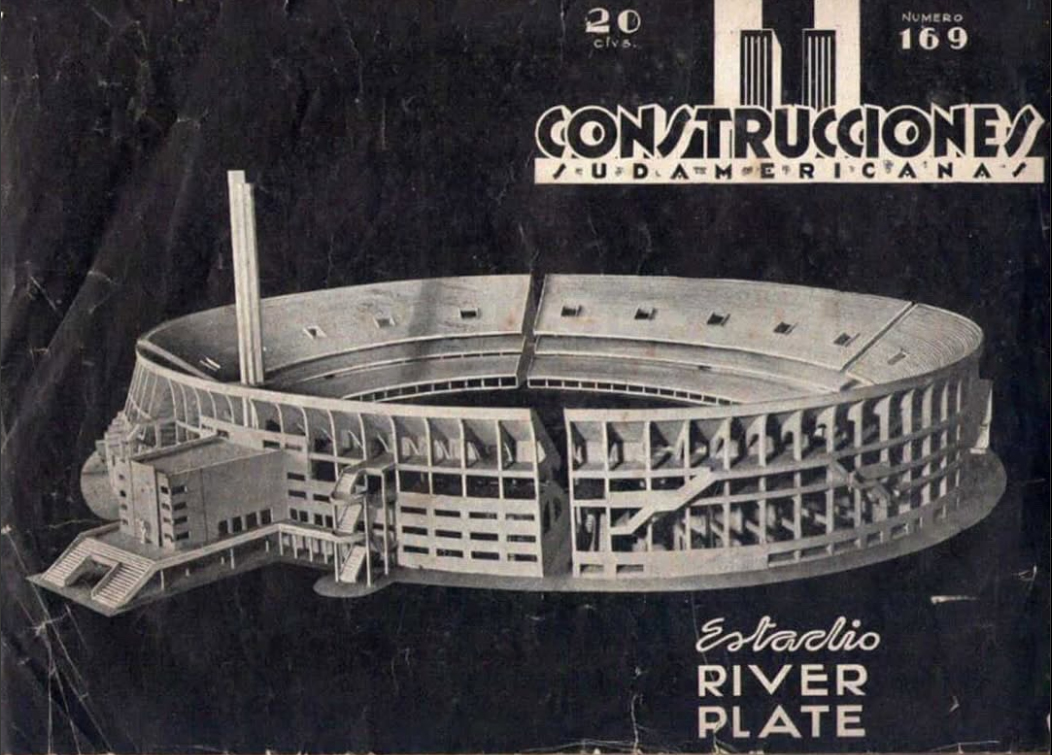
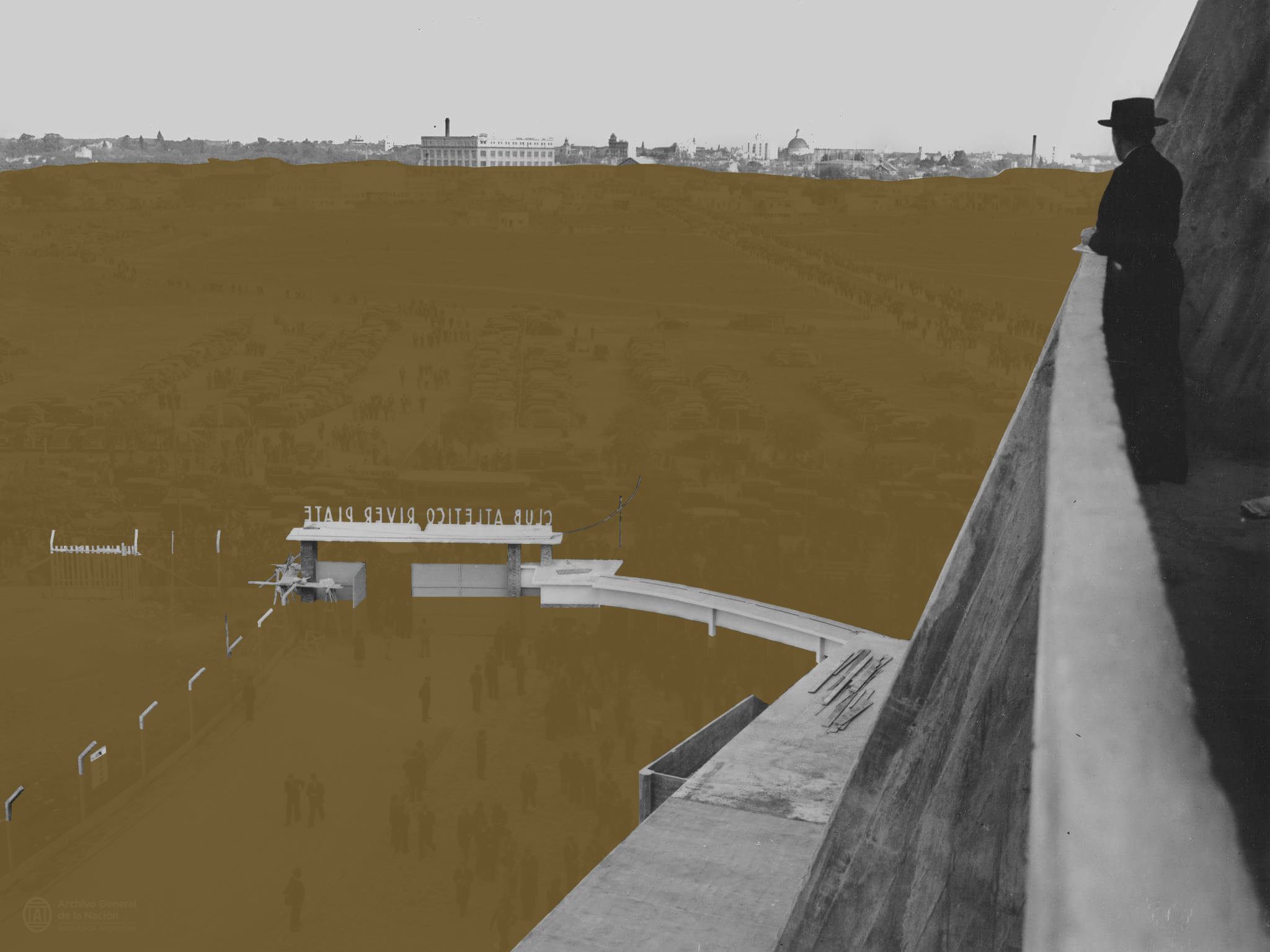
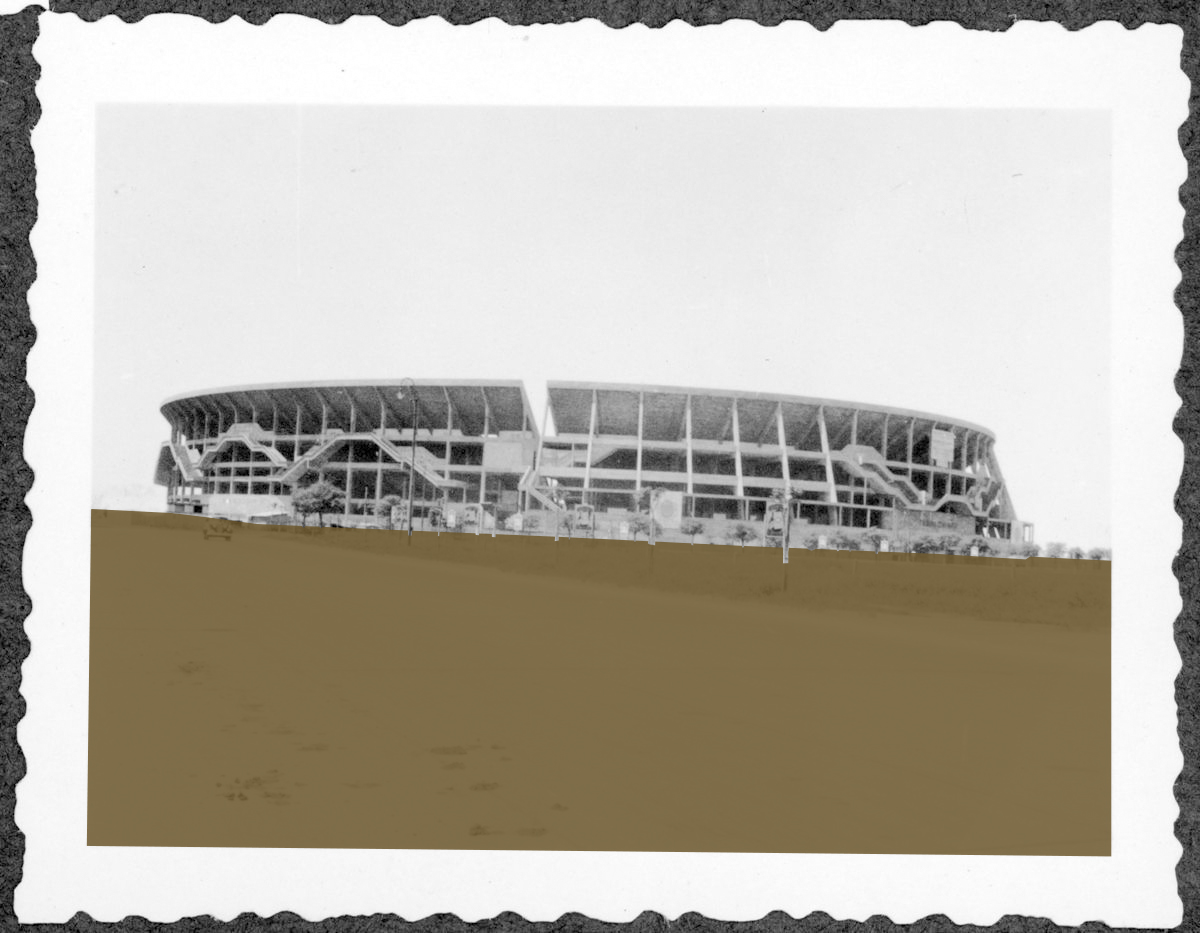
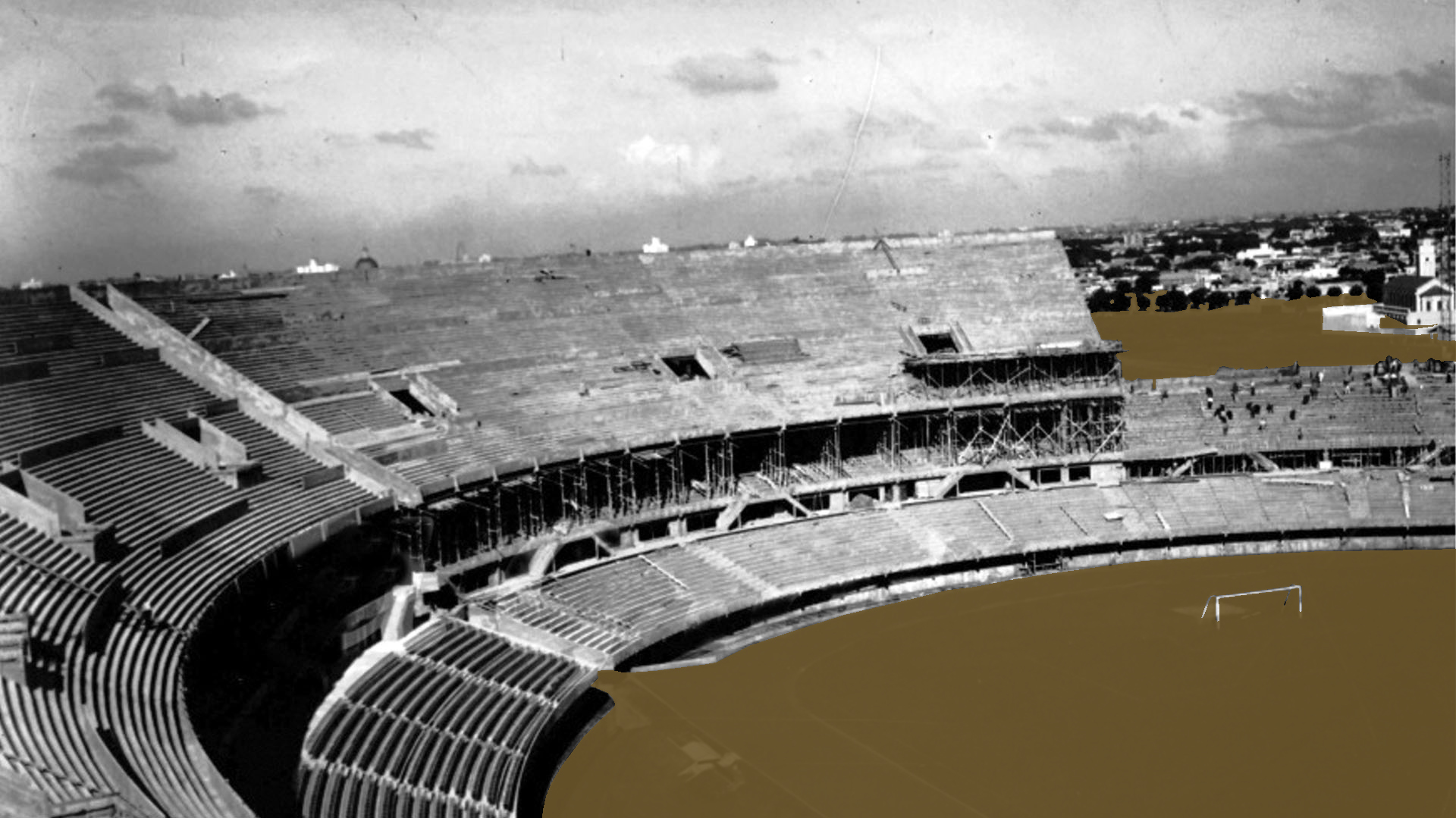
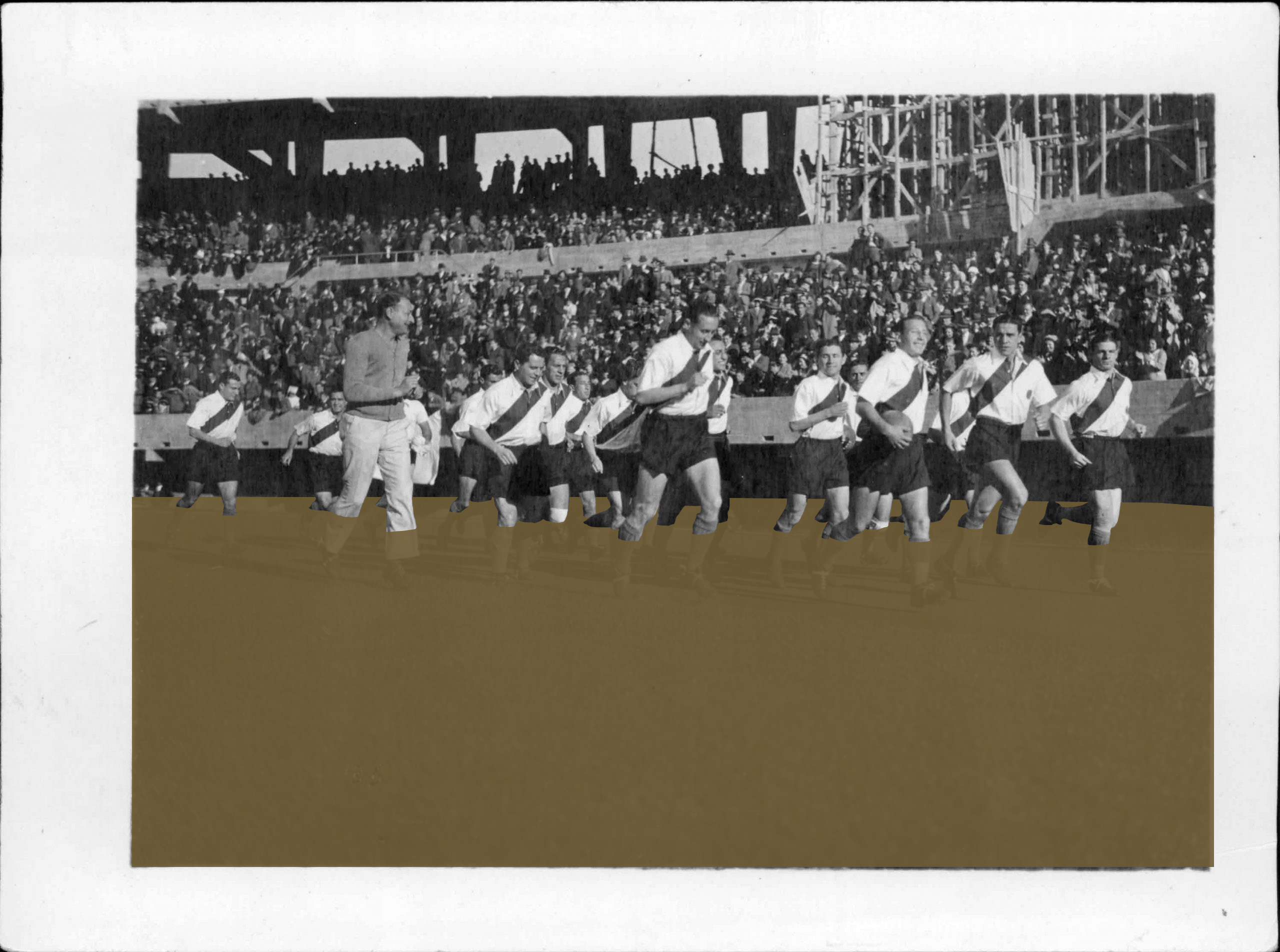
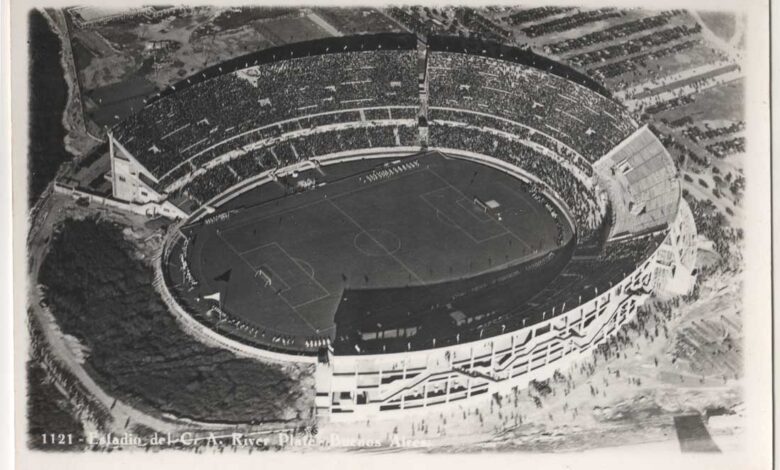
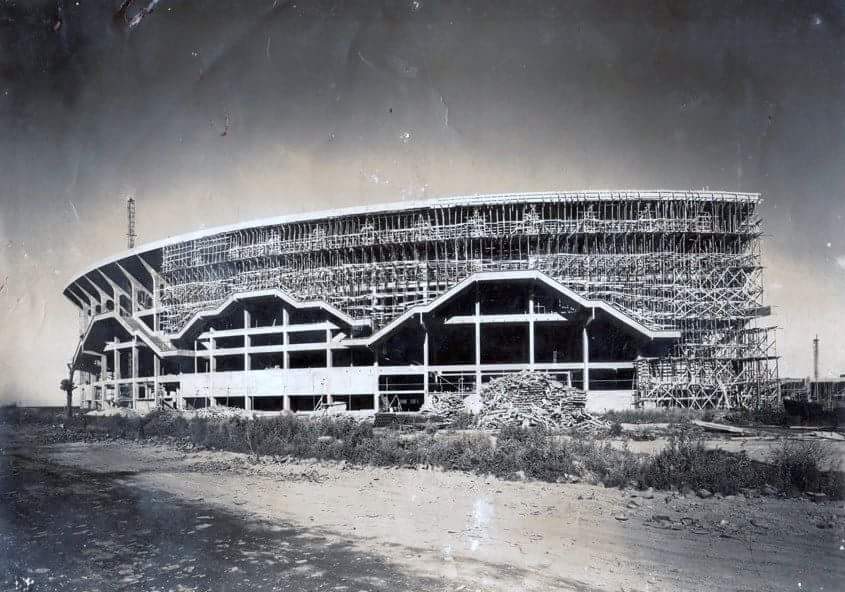
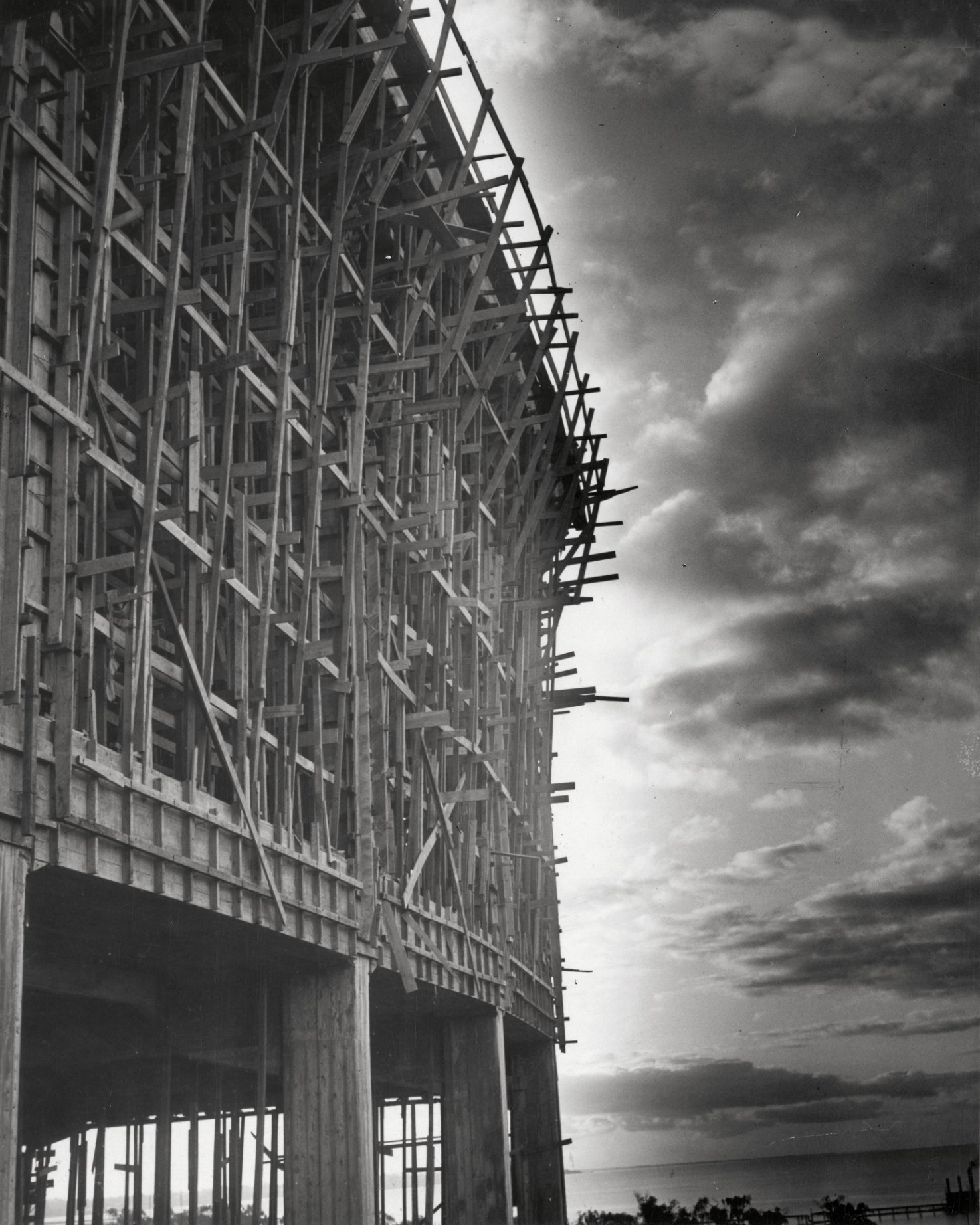
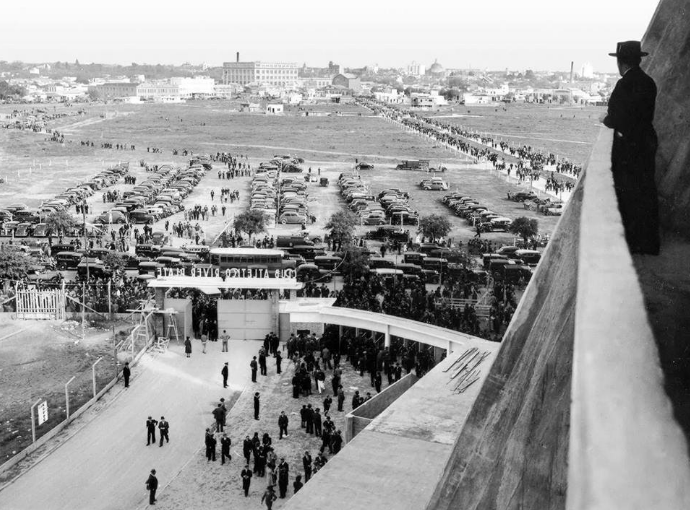
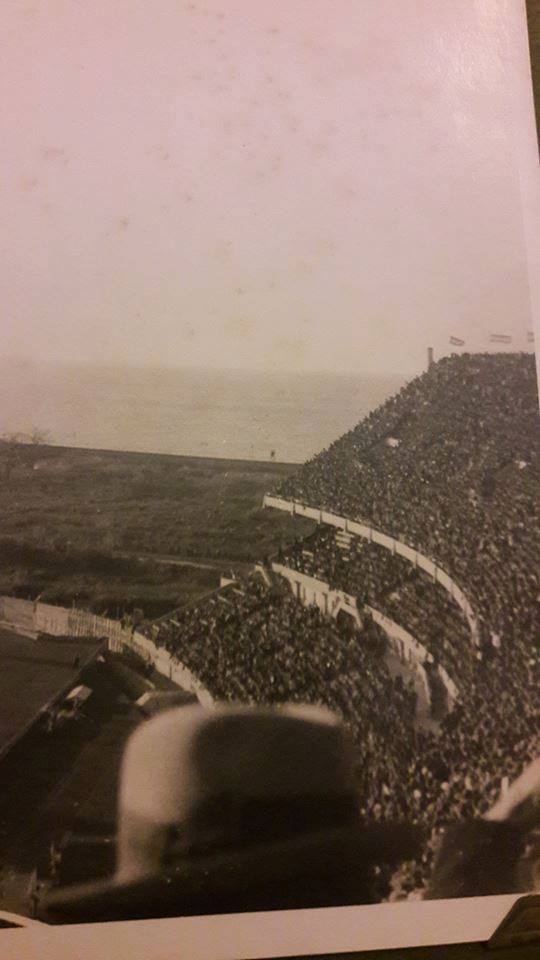
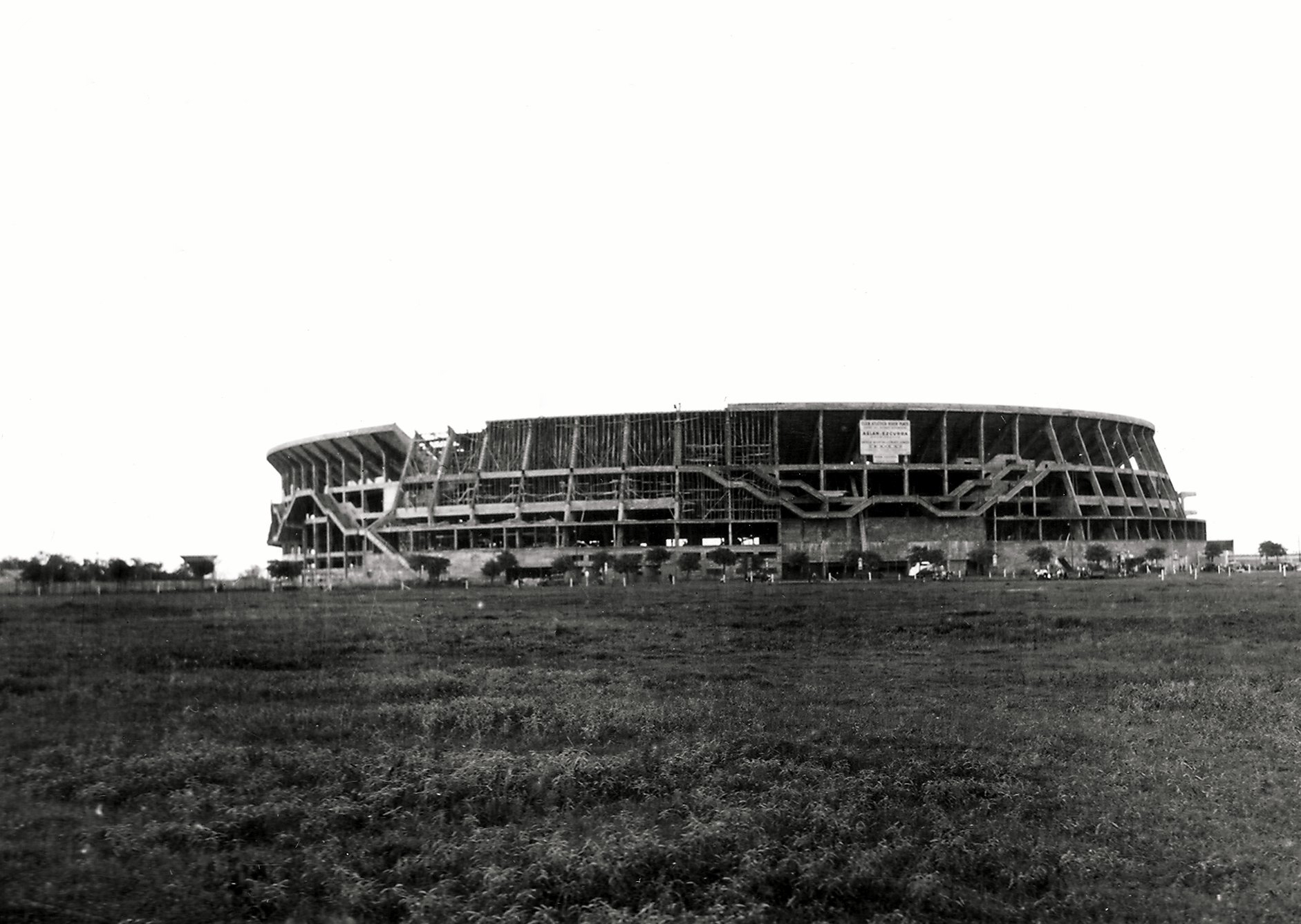
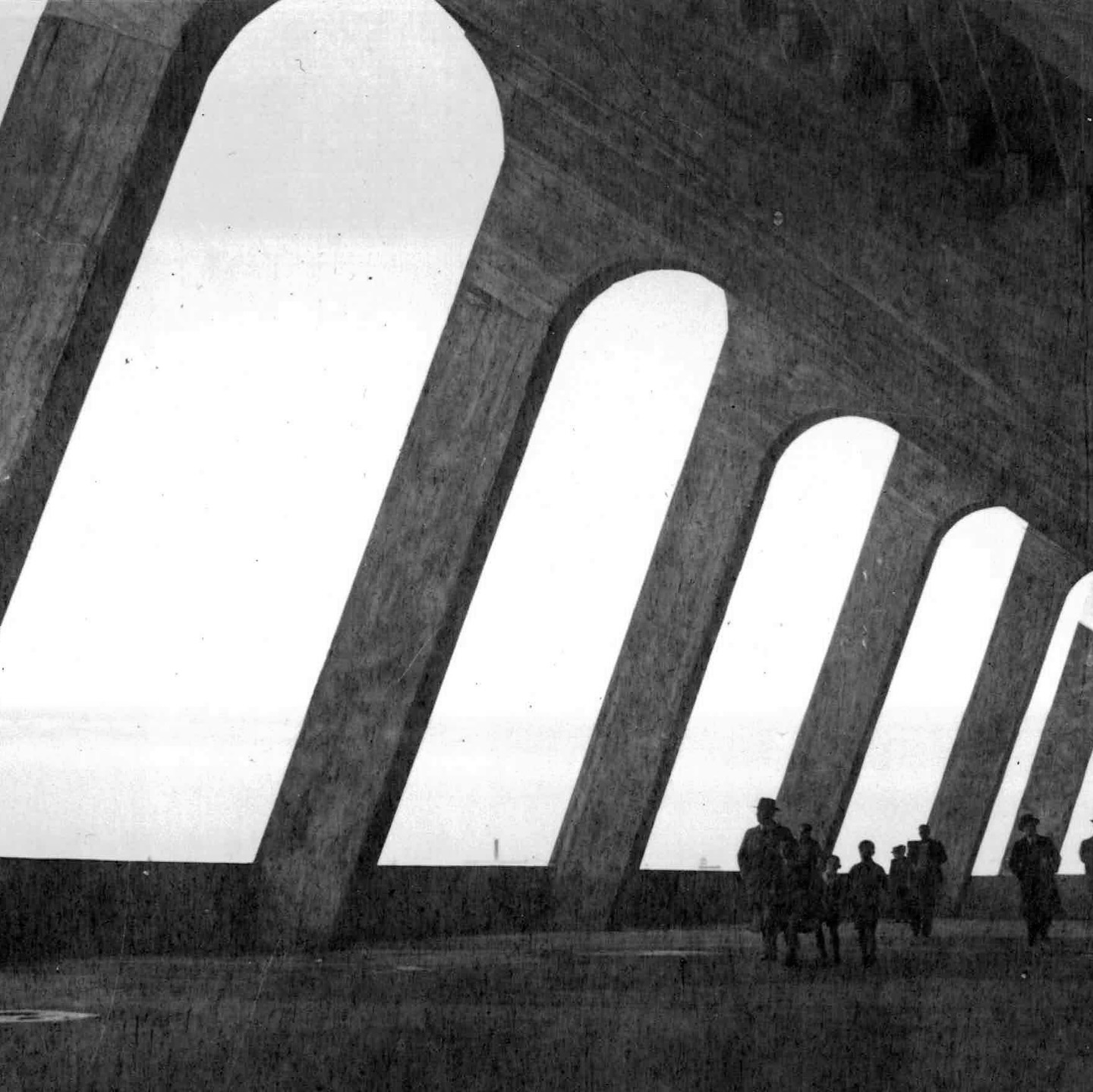
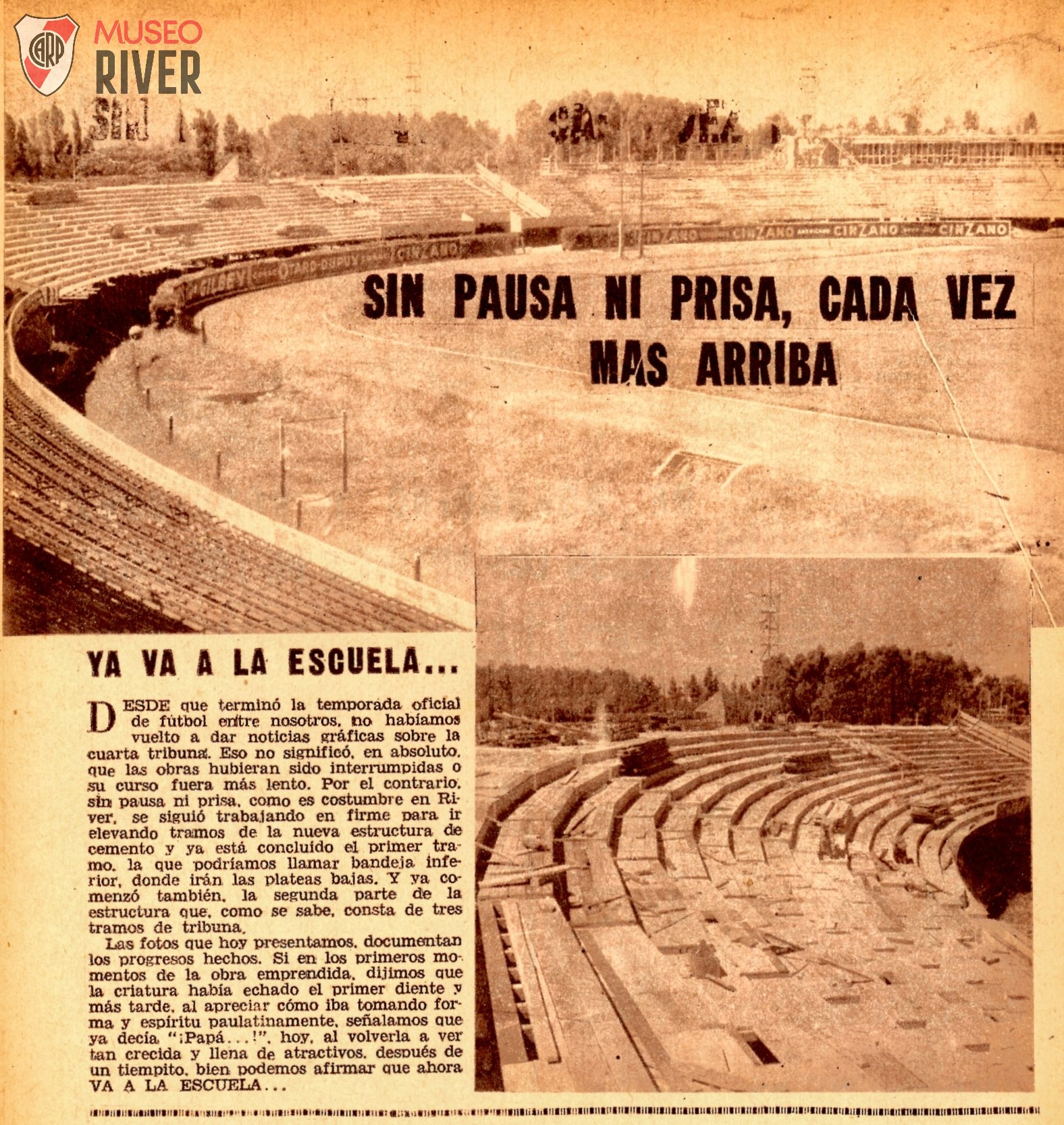
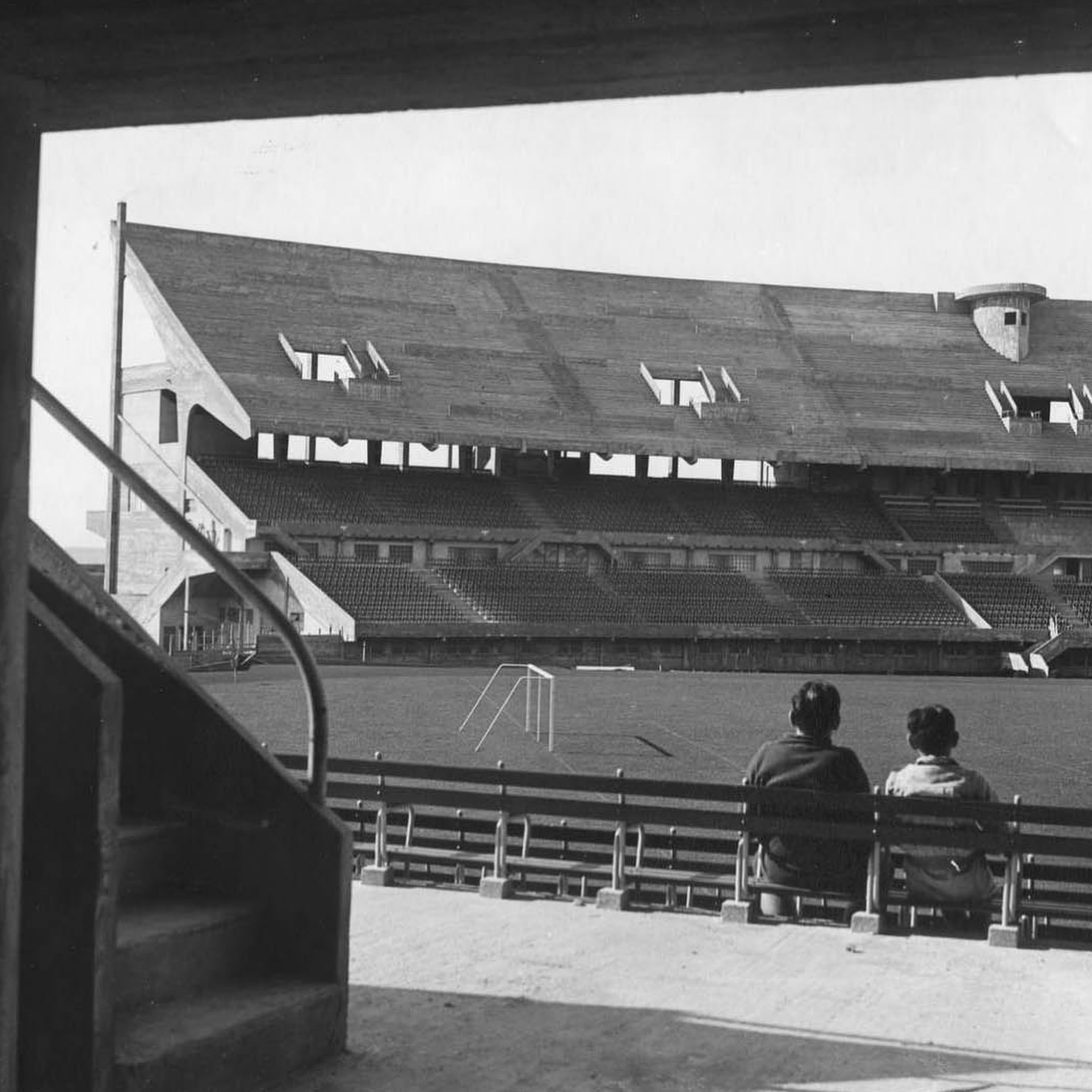
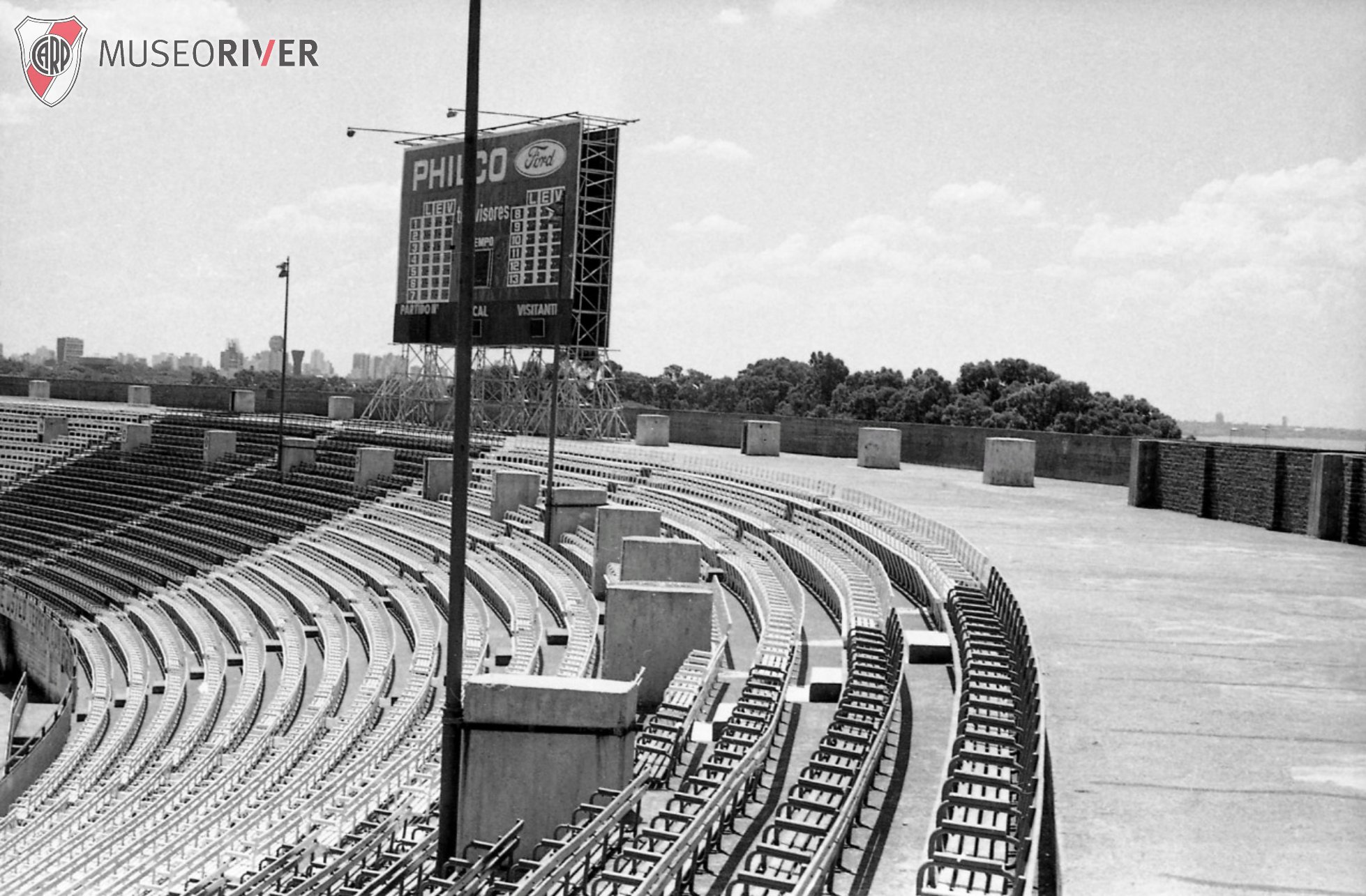
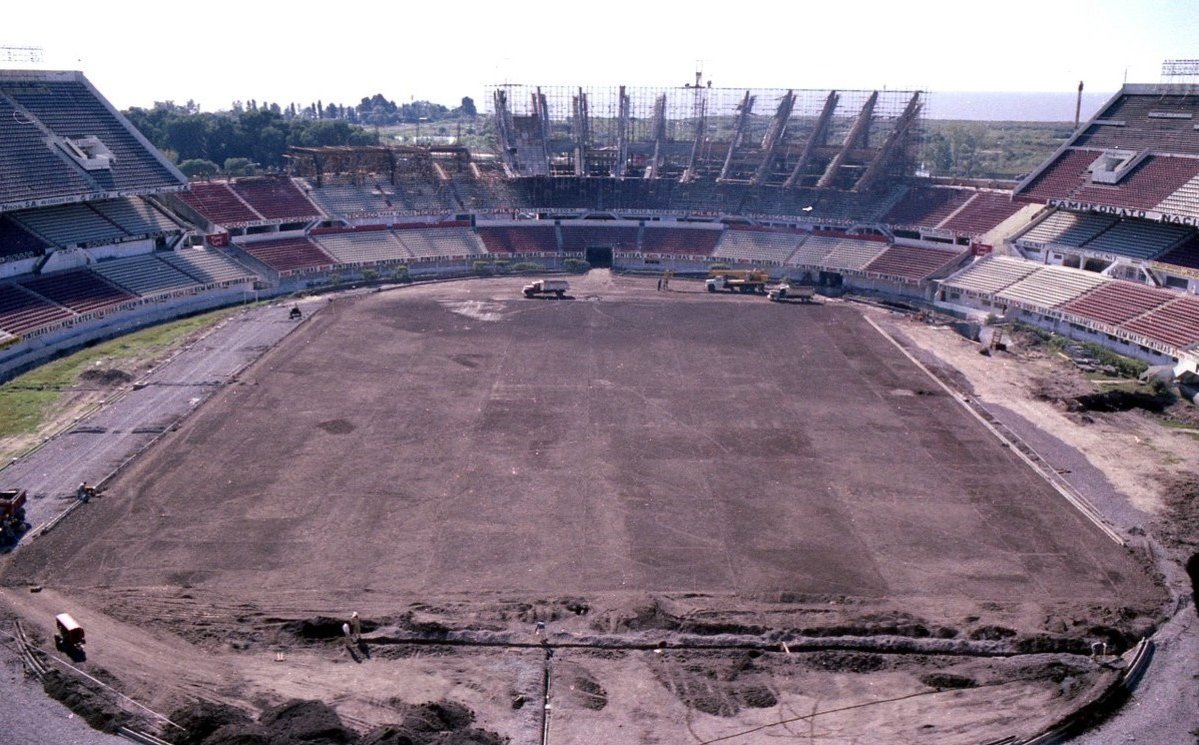
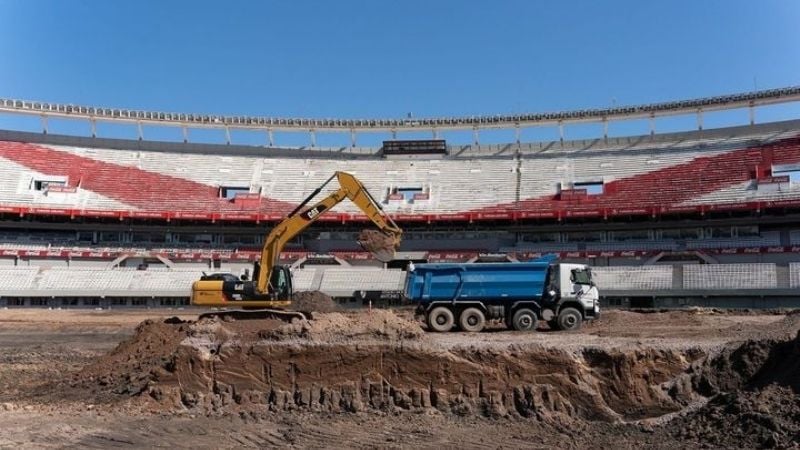
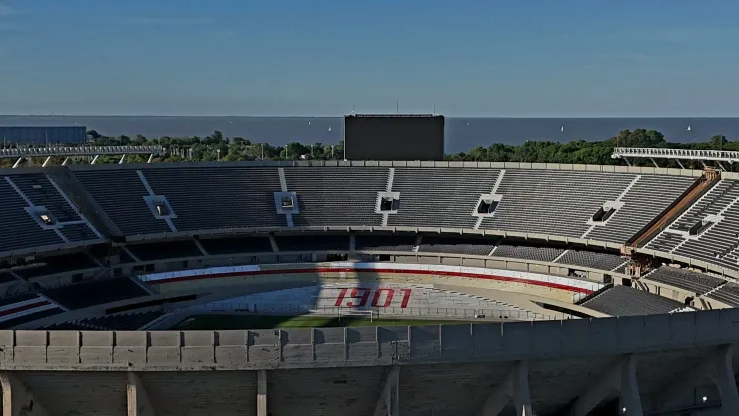
El Monumental was built in the mid-1930s, on a low-lying stretch of the coastal edge that was, at the time, made up of wetlands and soft, flood-prone terrain. Raising a stadium of such scale there required intensive ground transformation: fill, drainage, leveling. Also key was the use of a construction technique that was, at the time, relatively new in the country: reinforced concrete, which made it possible to design a large-scale structure on unstable ground.
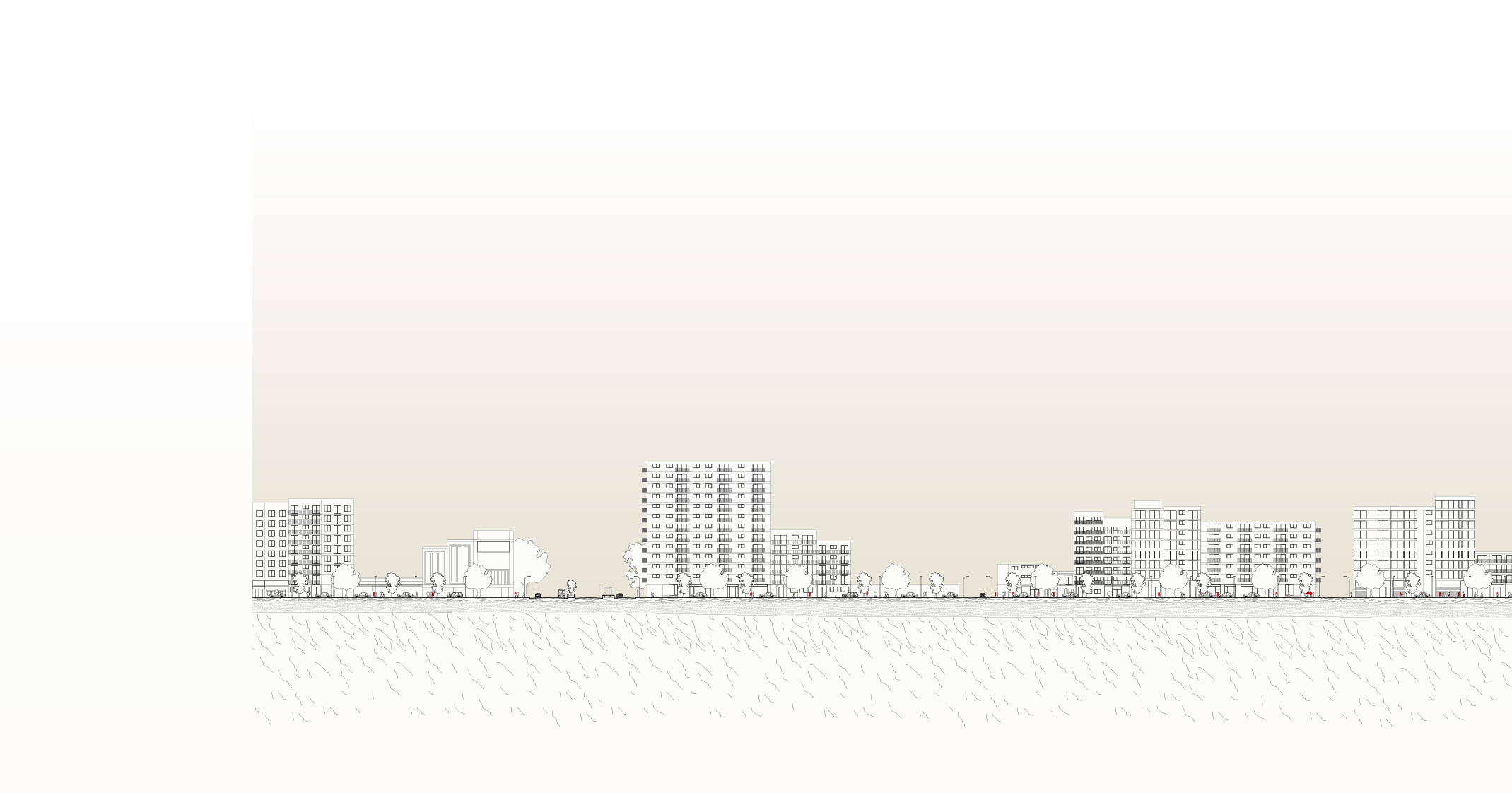
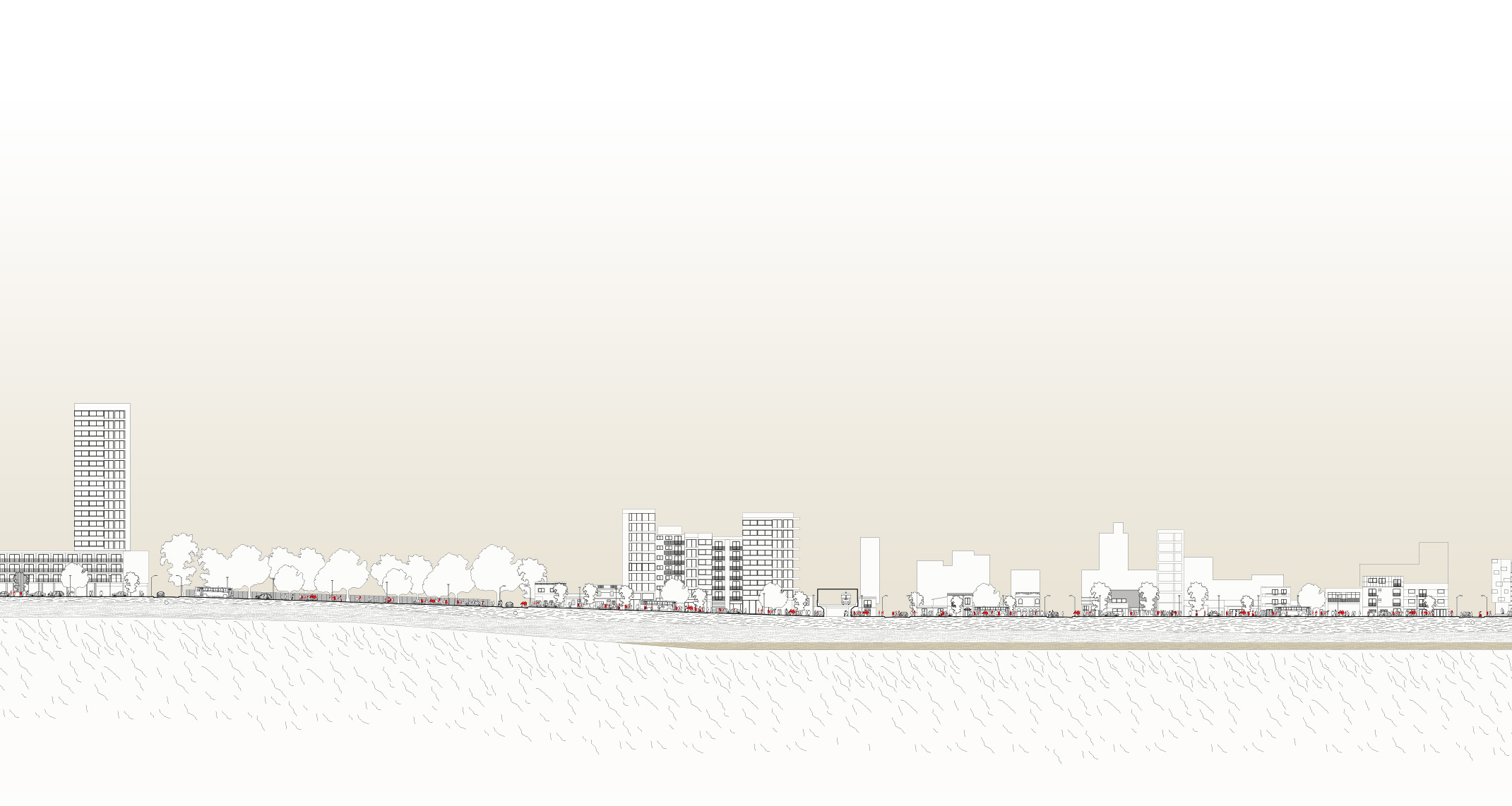
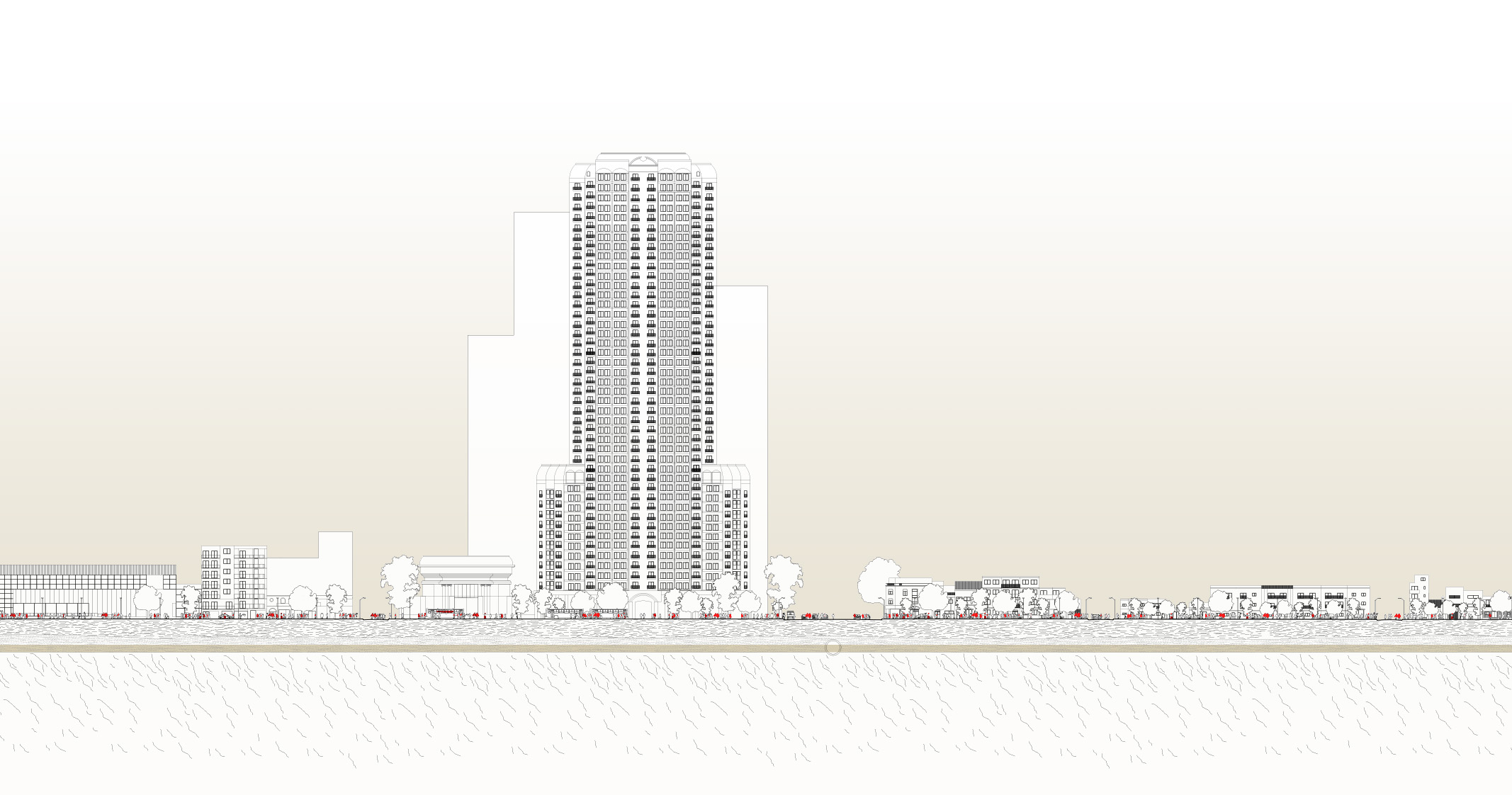
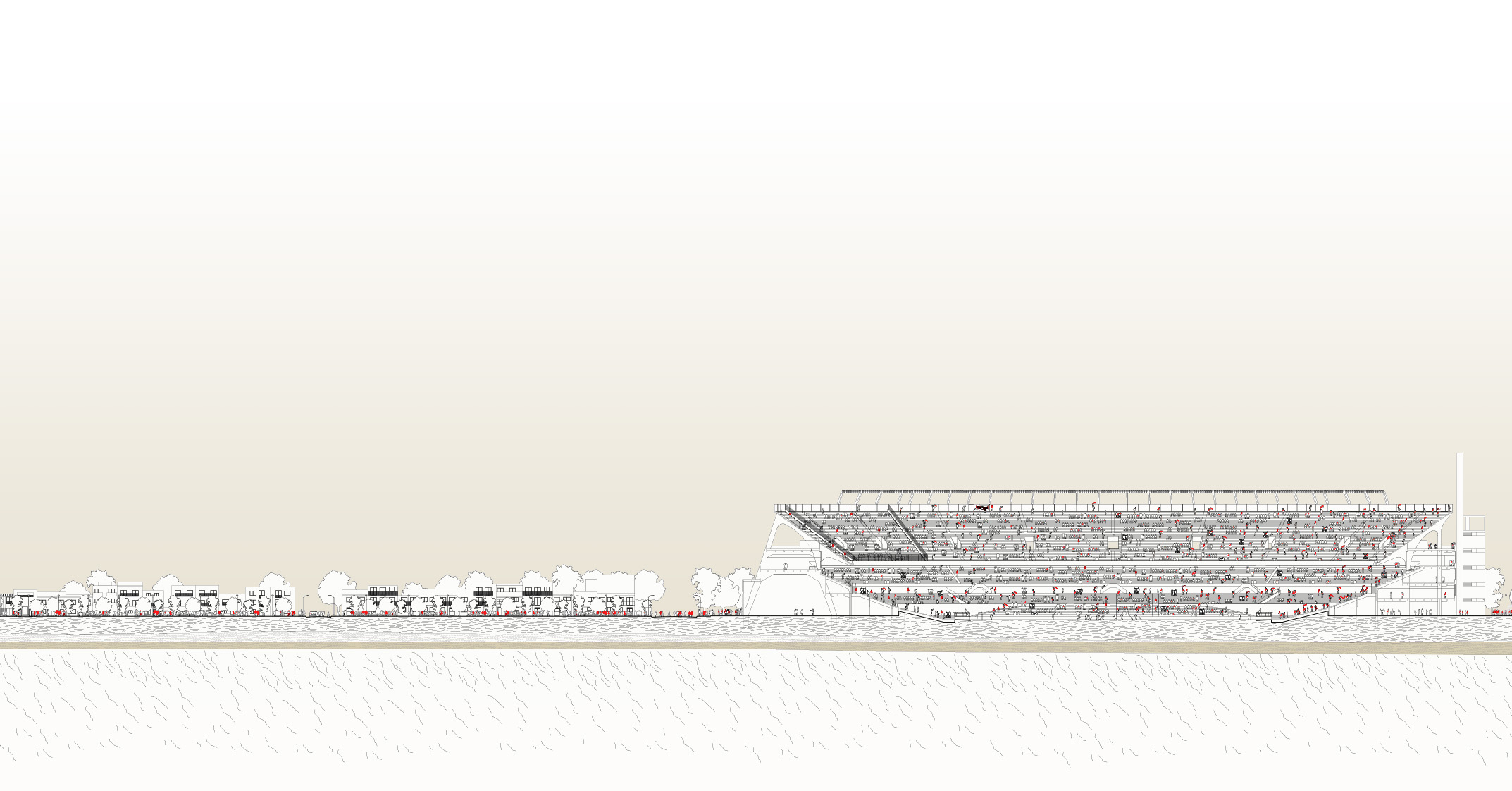
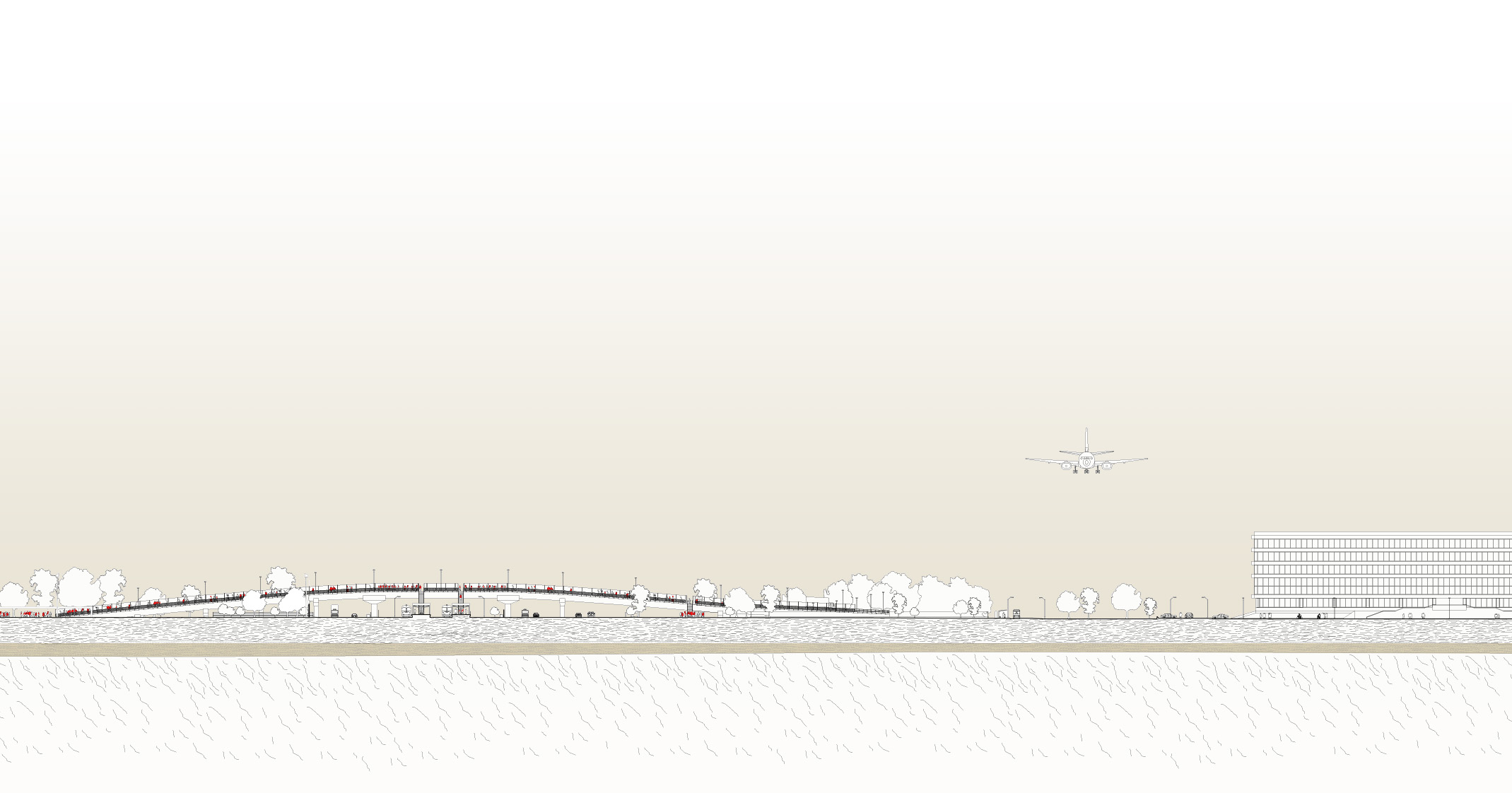
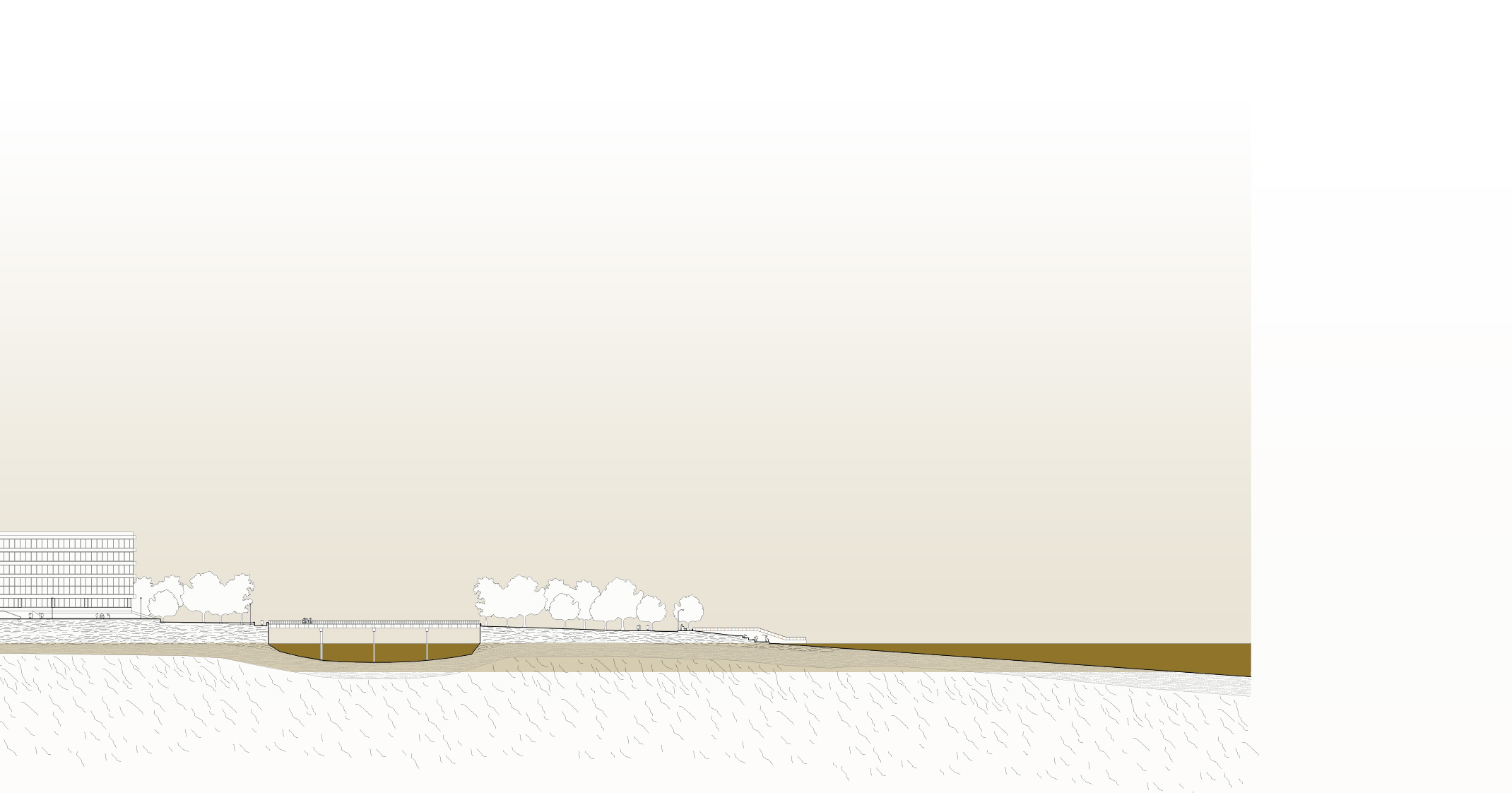
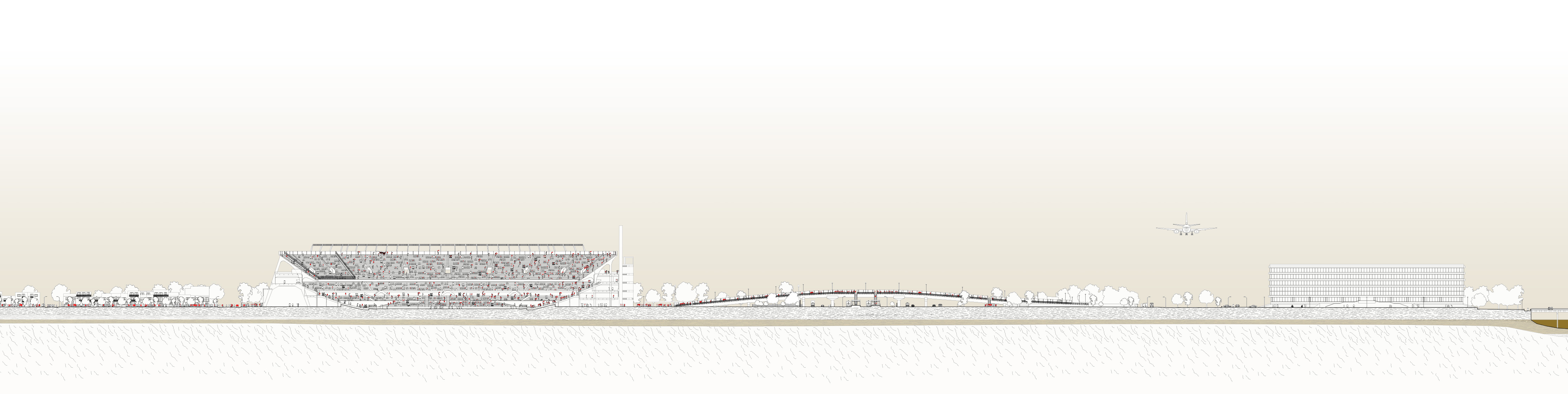
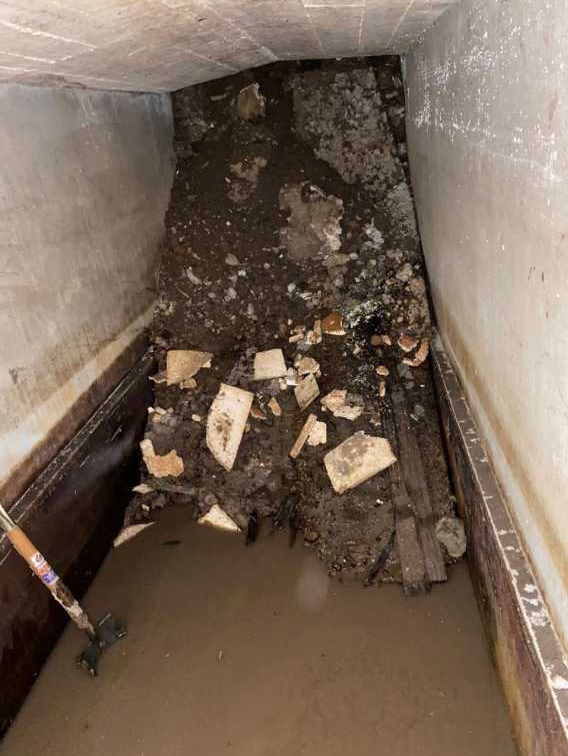
Beneath the surface, the soil in this area can be read in layers: from top to bottom, first urban fill material (soil brought from other sectors, rubble, construction debris); then layers of soft, damp sediment typical of an old alluvial plain; and deeper still, remnants of older soils and more compact materials. The thickness of the fill varies, but in some areas it is estimated to exceed five meters. The stadium as we know it today rests on a superposition of natural and artificial layers accumulated over time.
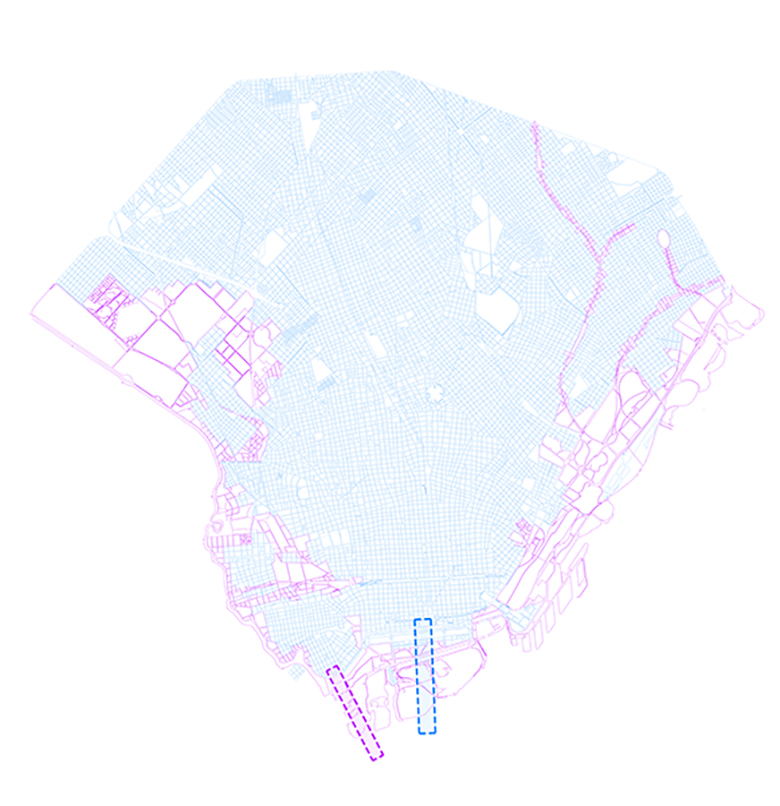
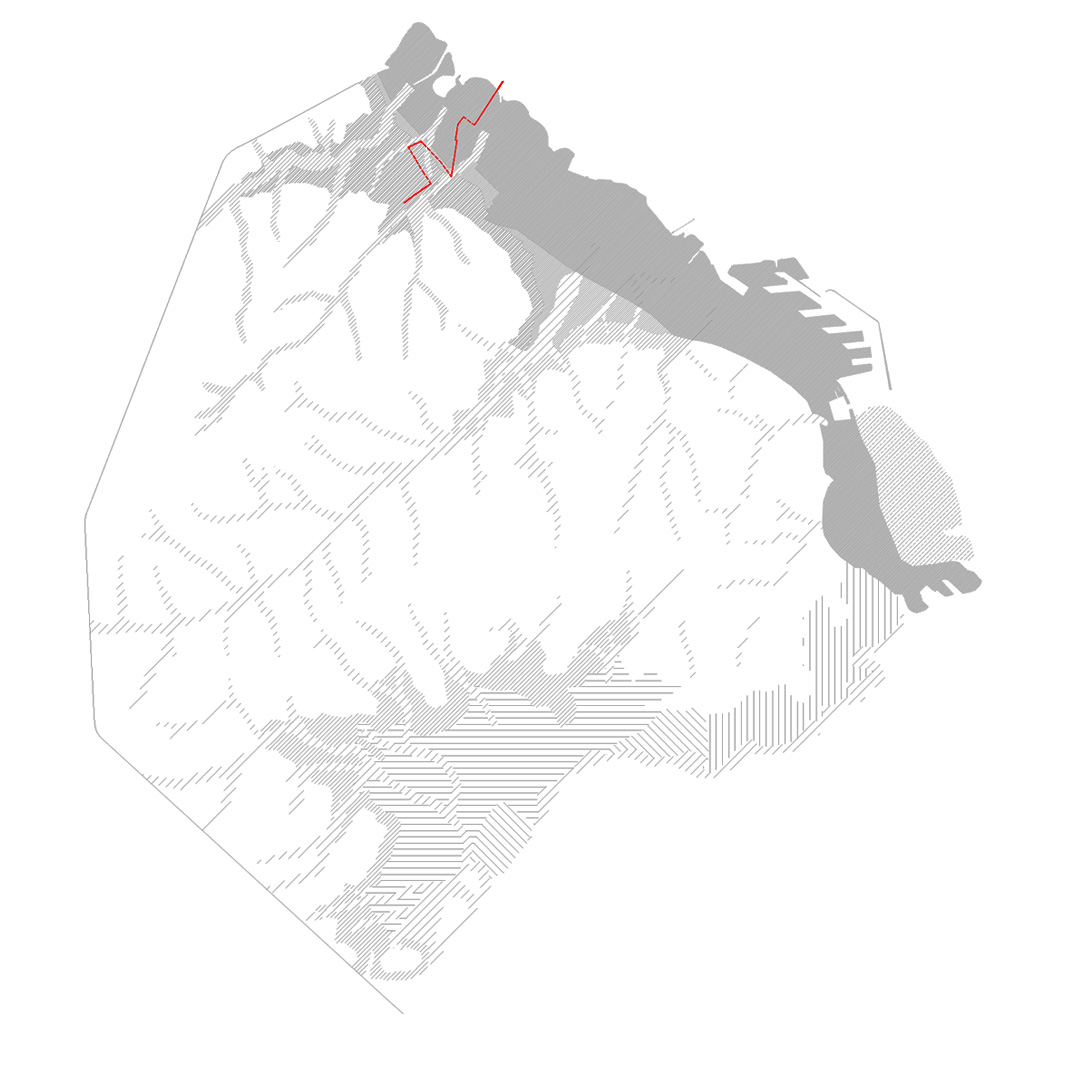
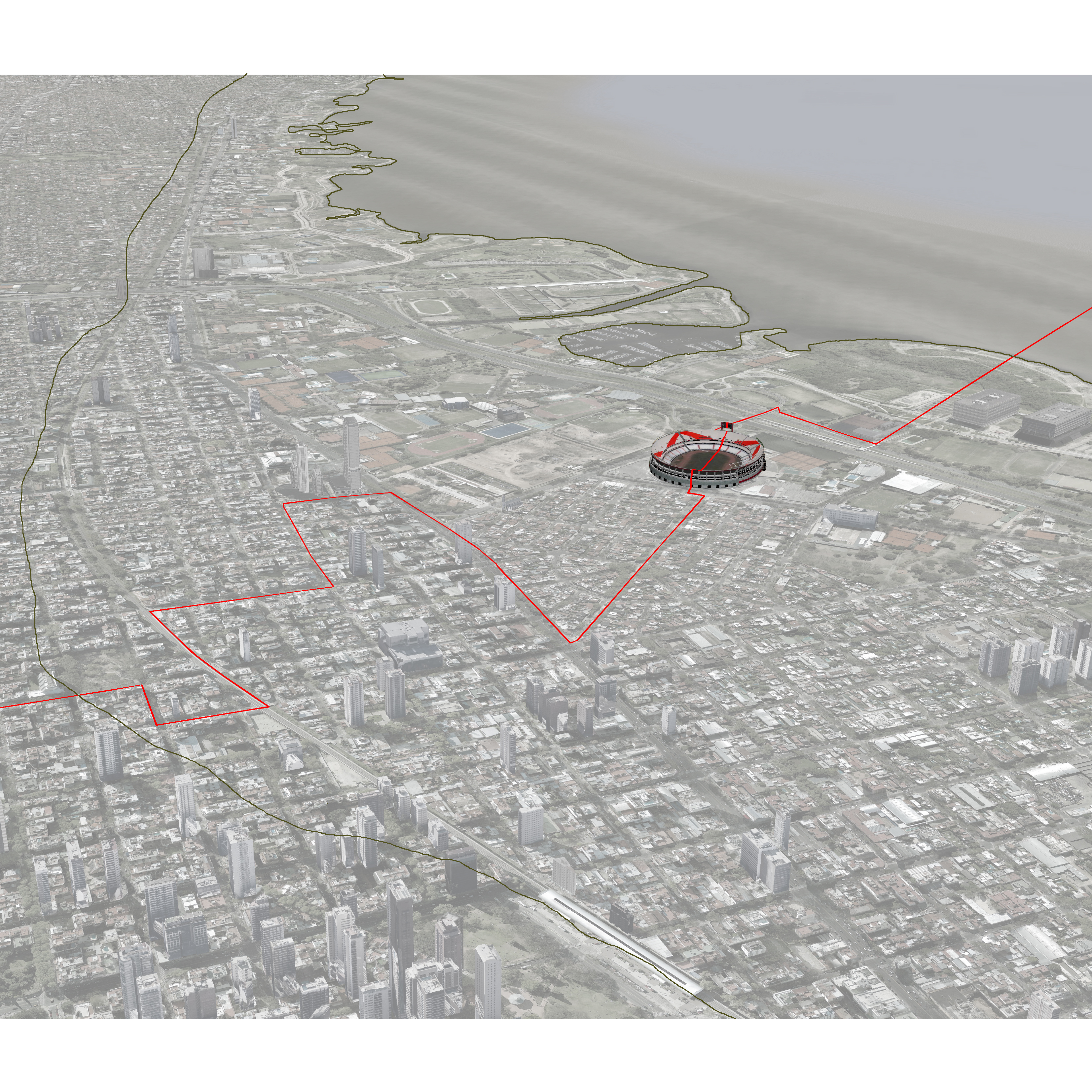
The section that runs across the territory from Avenida Cabildo to the river does not follow a single layout. It is made up of real fragments of the urban edge, of situations recognizable to any porteño who has gone to the stadium: railway crossings, parks, avenues, in-between passages linking city and club. It marks a movement that repeats every Sunday. From different points of the AMBA (Buenos Aires Metropolitan Area), fans arrive in school buses, on the subway, on trains, on buses. In the final blocks they walk, they sing, they grab a bite, they form murgas. It is a shared walk that transforms the routine of the neighborhood.
Every fan traces a different line toward the stadium. Some do so without knowing that their walk is also a descent toward the river, or toward what was once the river. The water can no longer be seen, but it is there: in the subsoil, in the memory of the terrain, in the decisions that made it possible to build in that place. The route rests on successive layers: physical and symbolic.
Beyond its structural or geological value, the ground is also a support for the collective life organized around the stadium. To walk toward River is to walk over a territory that was transformed, that was once an edge, that was once mud. And although those layers are no longer visible, they still hold up what happens above. That is the story this work tries to read.
The Procession
Montages
Archive
Otro arquitecto
OTRO, an office based in Moreno, Buenos Aires he investigates how local experiences of dwelling can nourish new ways of thinking, making, and teaching architecture.
He is part of the collective off the record, where he develops workshop, construction, and teamwork experiences as a pedagogical tool.
This work was carried out together with Cecilia Lopez, architecture student.