Capriccio | by Alonso & Crippa
...



“(…) Two deserts, the terrestrial and the aquatic, juxtaposed almost without a break in continuity (…)”¹
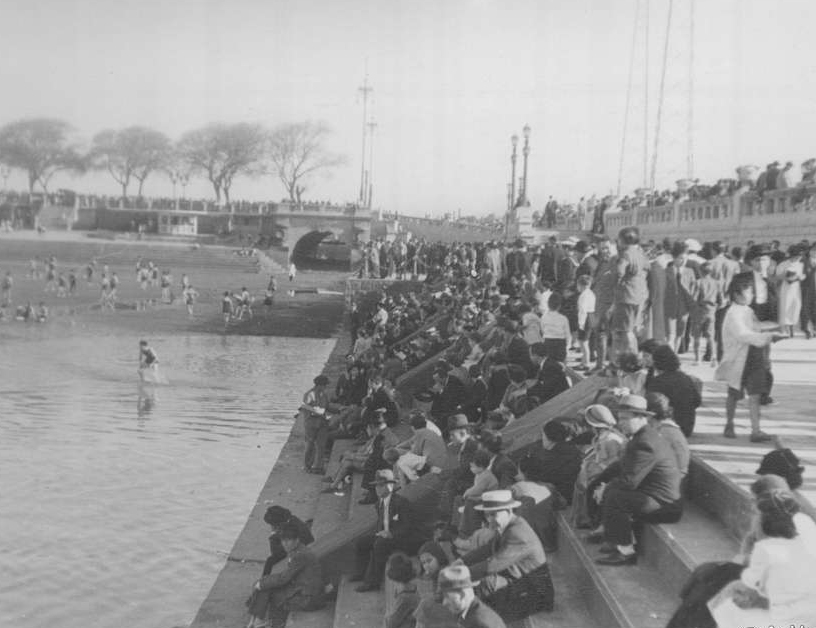
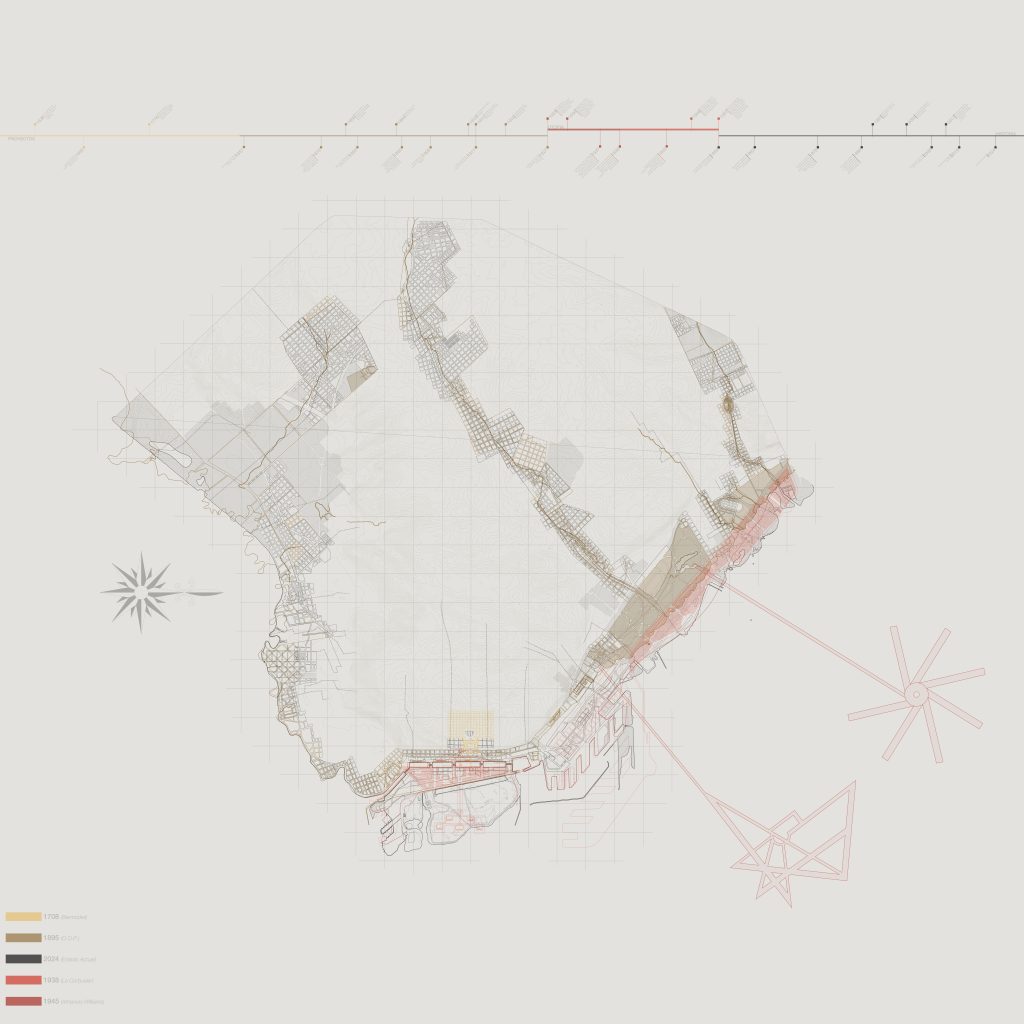
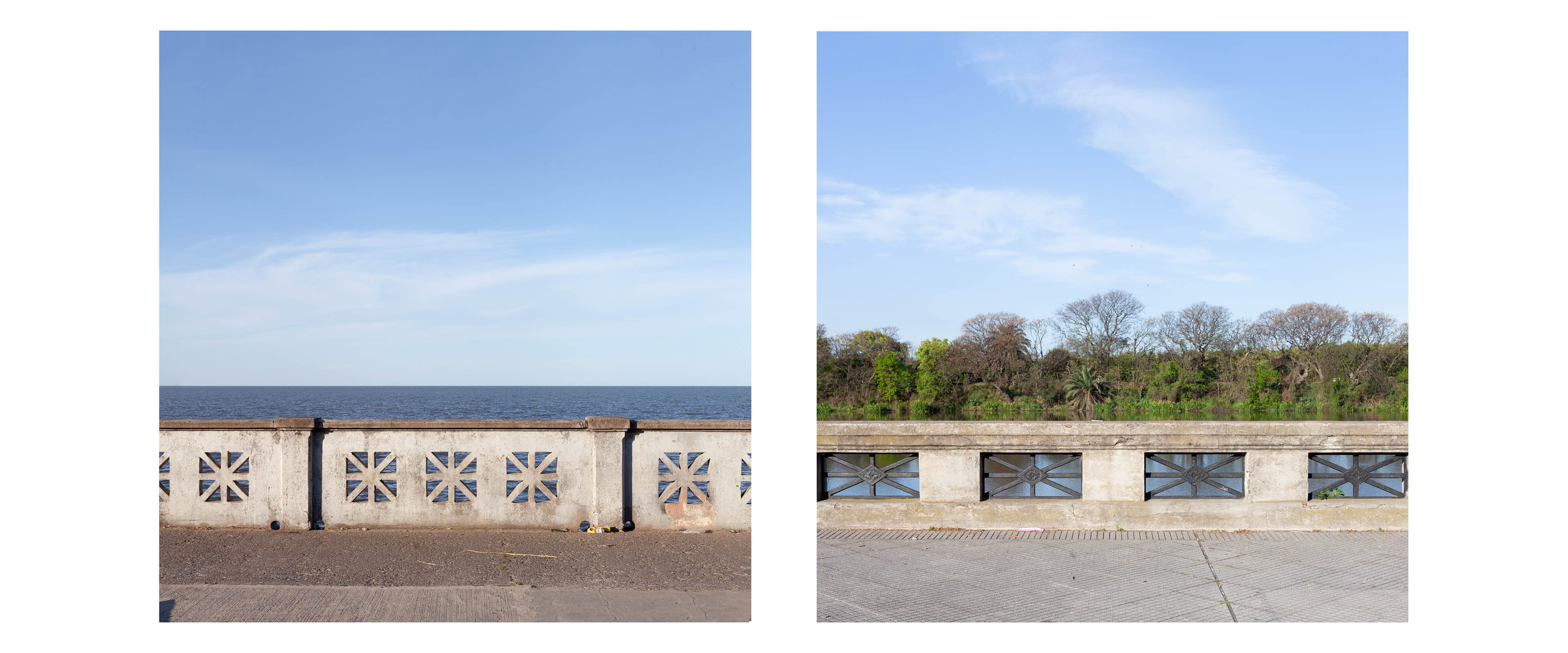
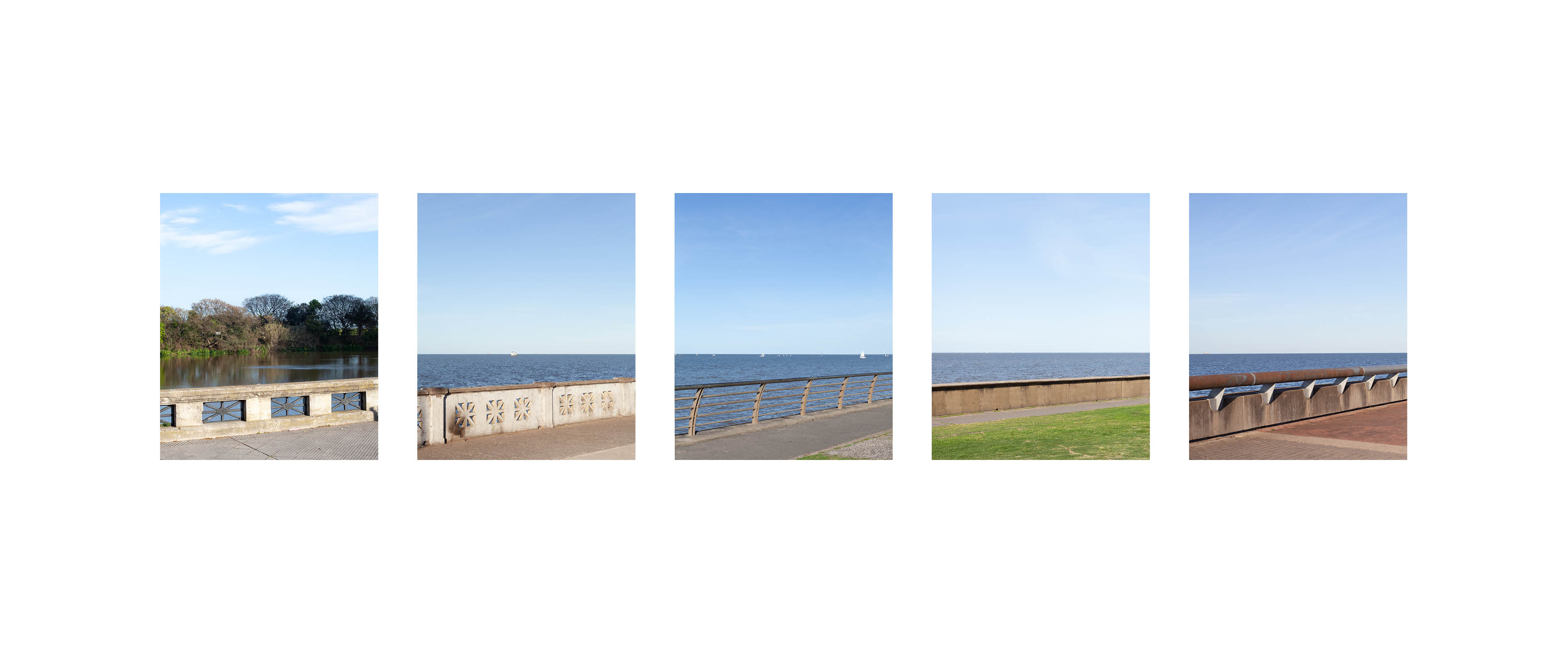
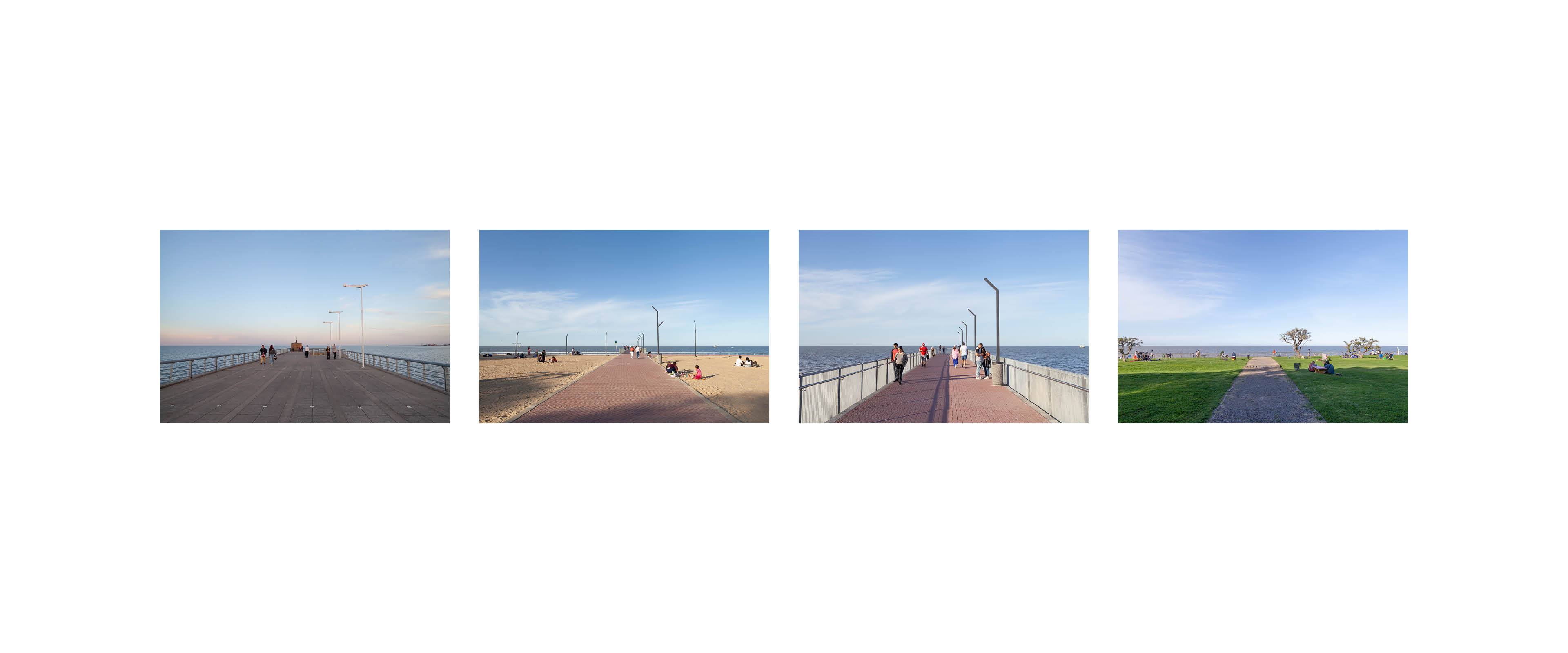
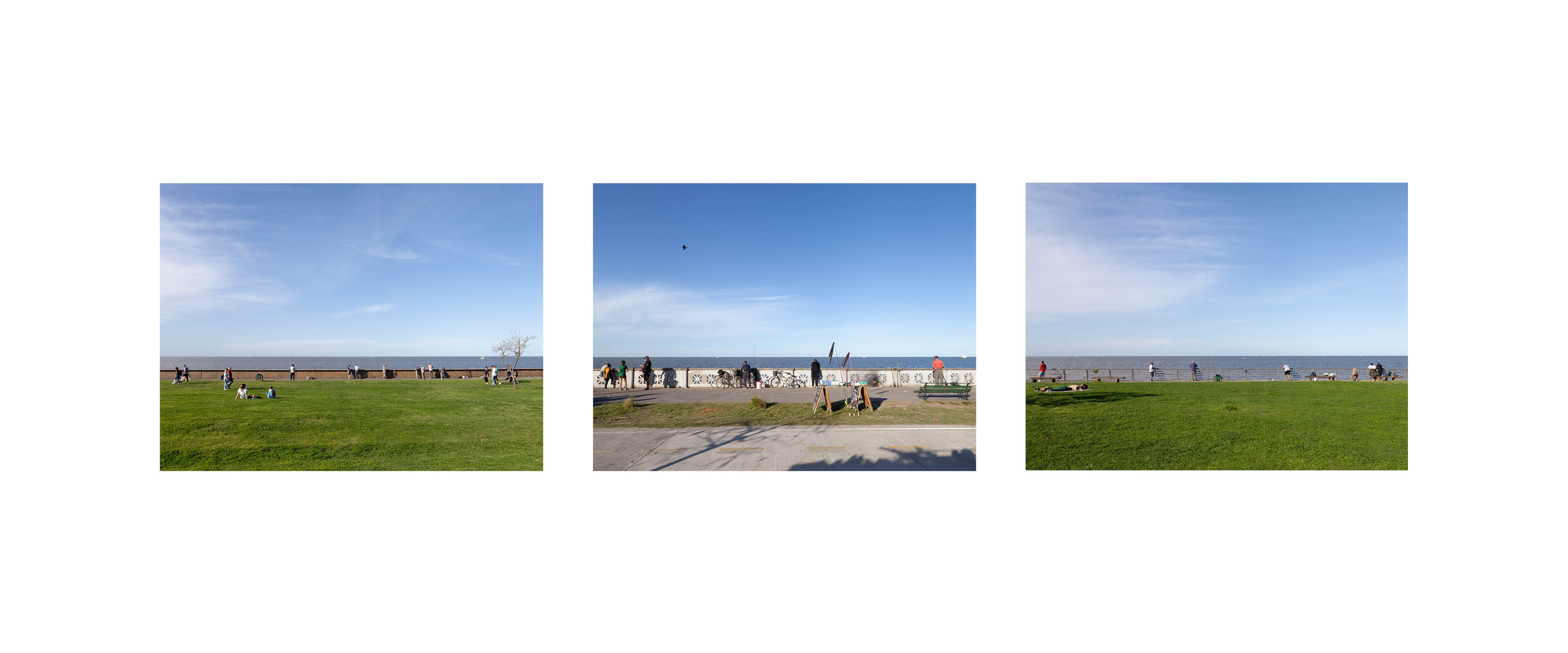
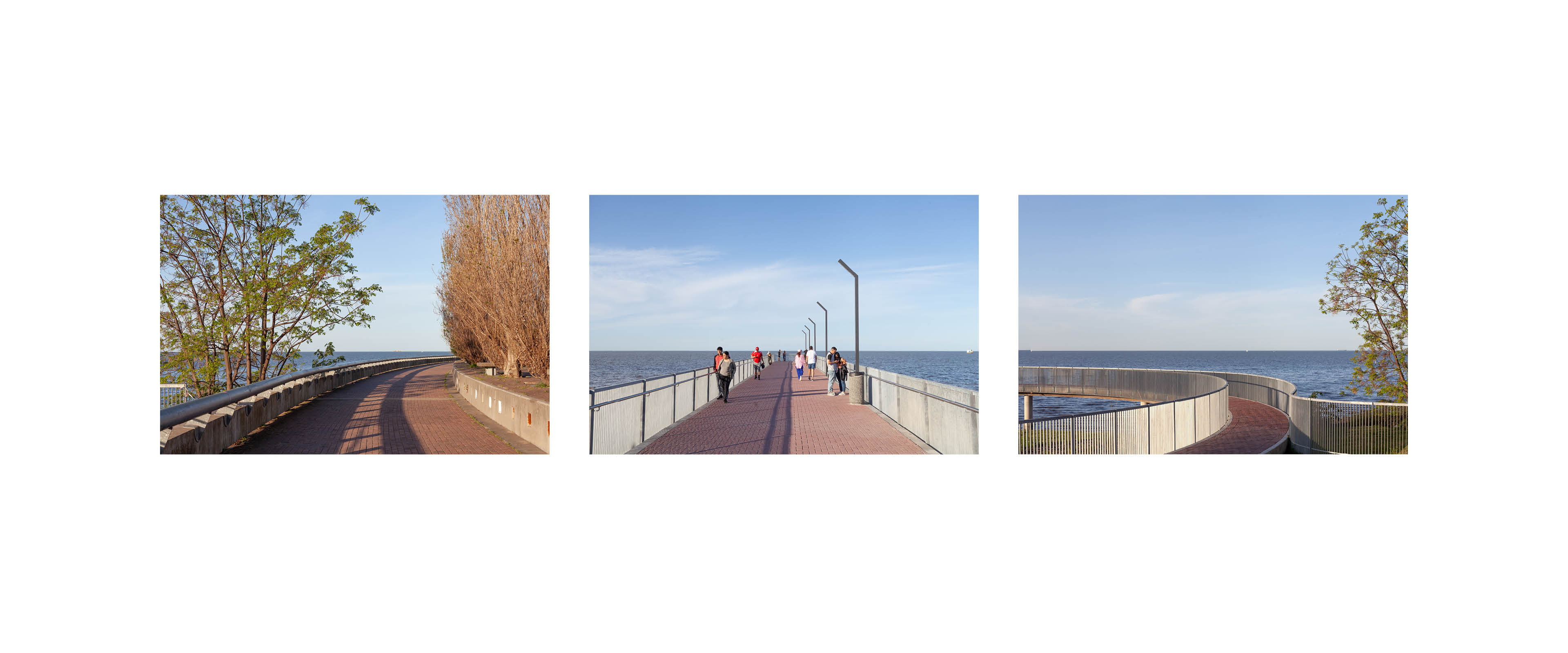
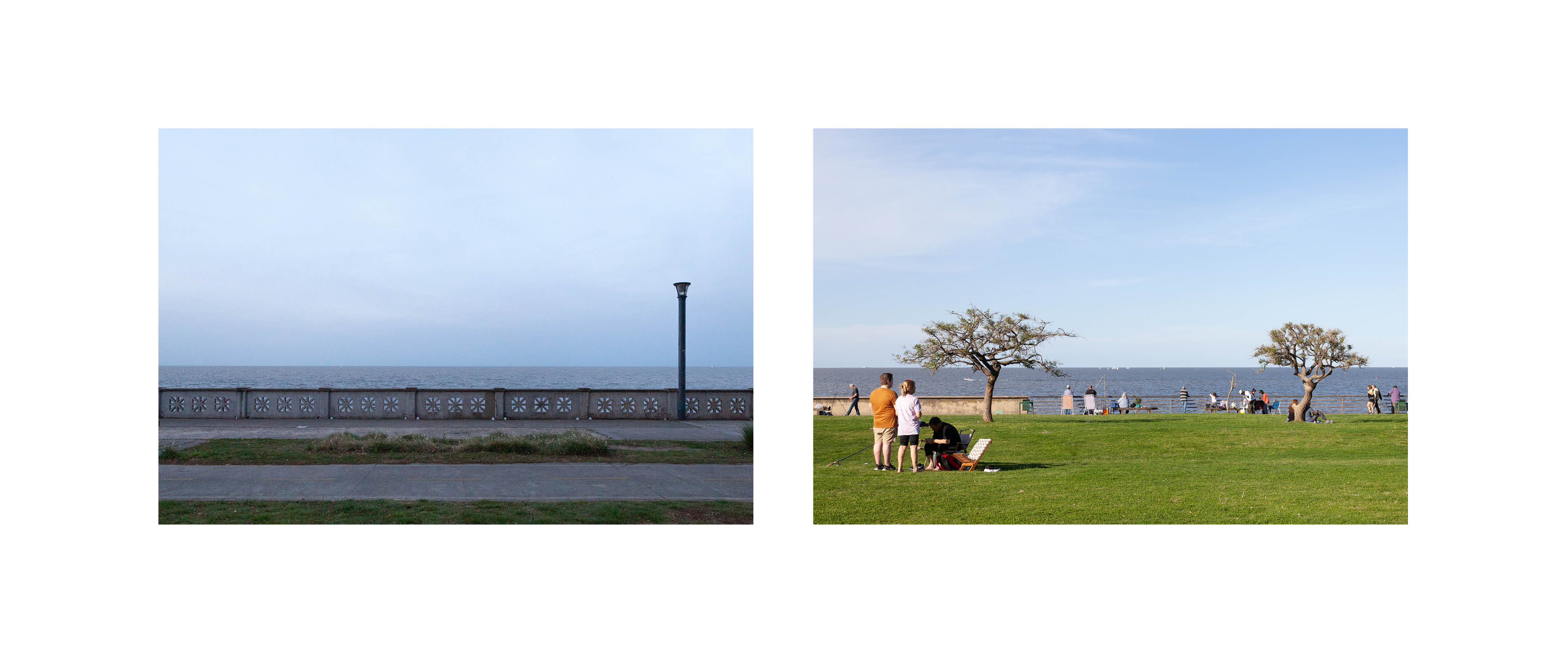
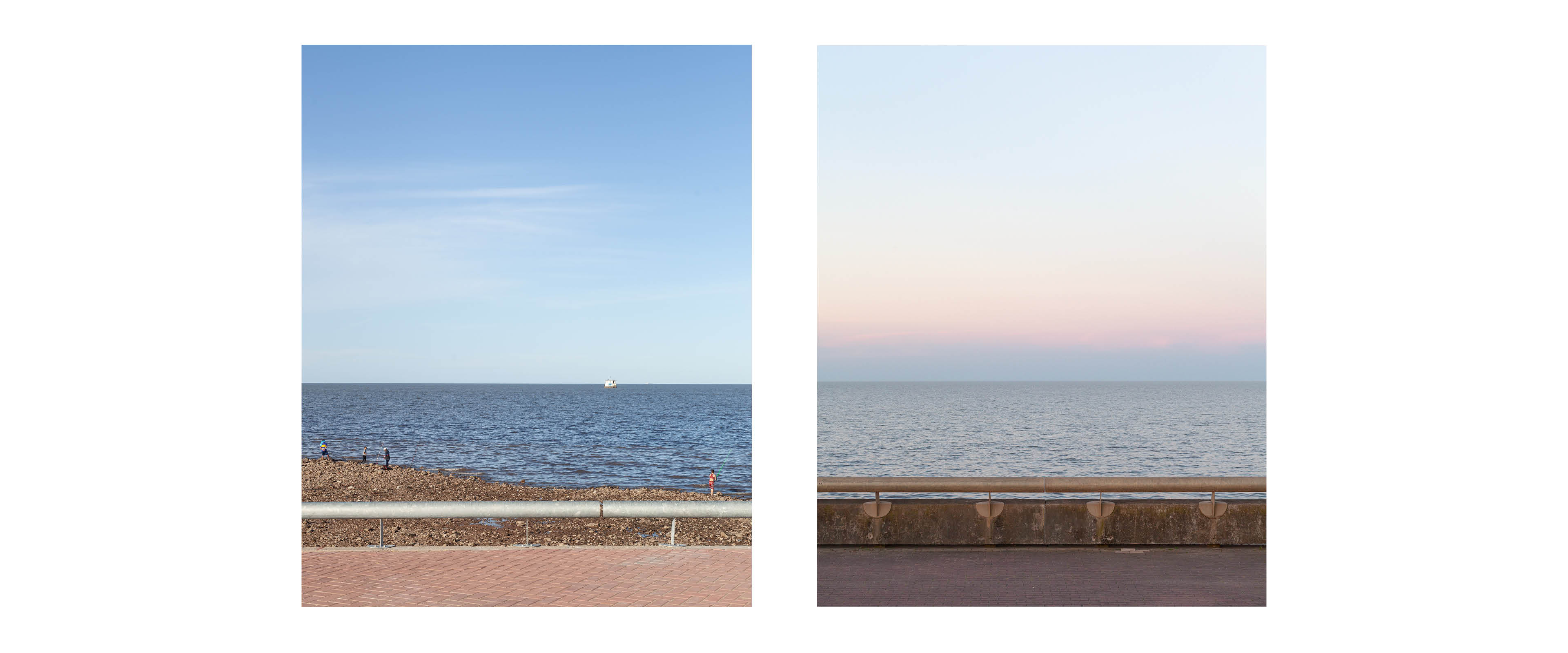
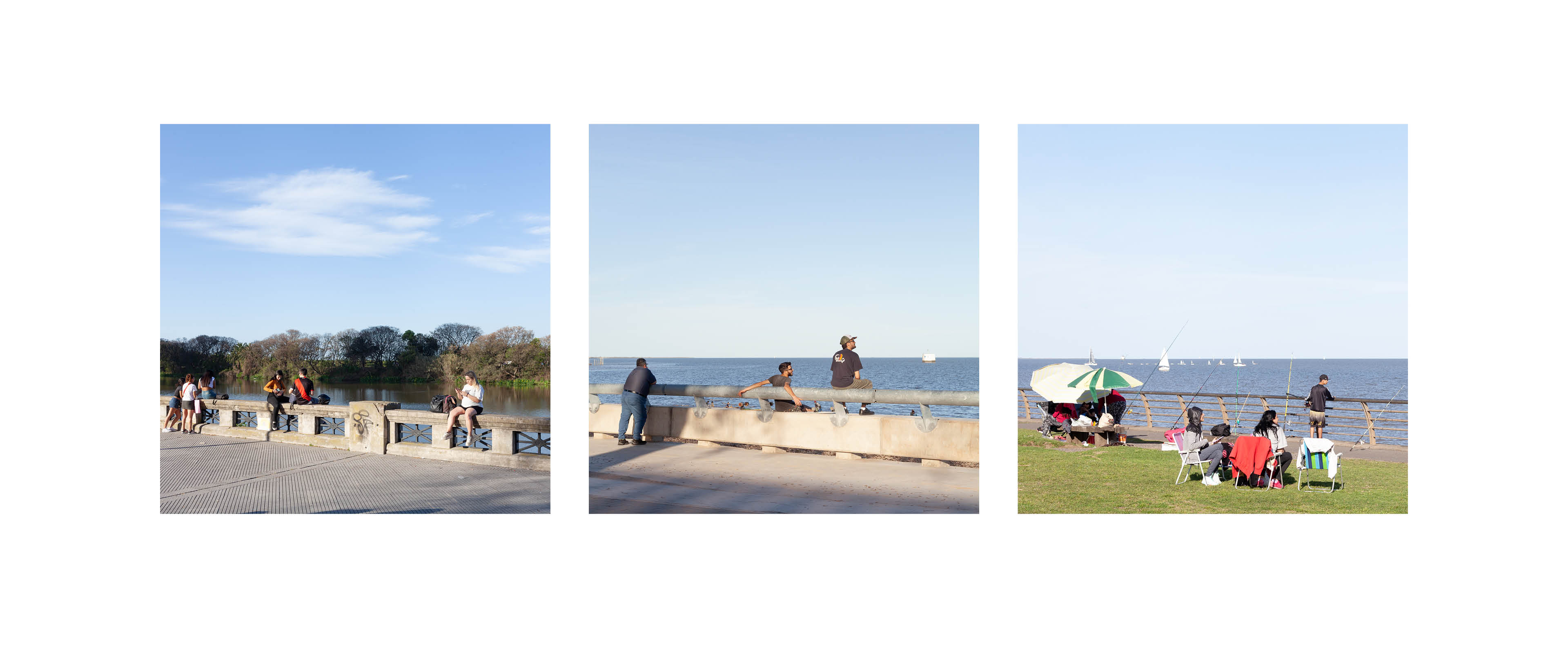
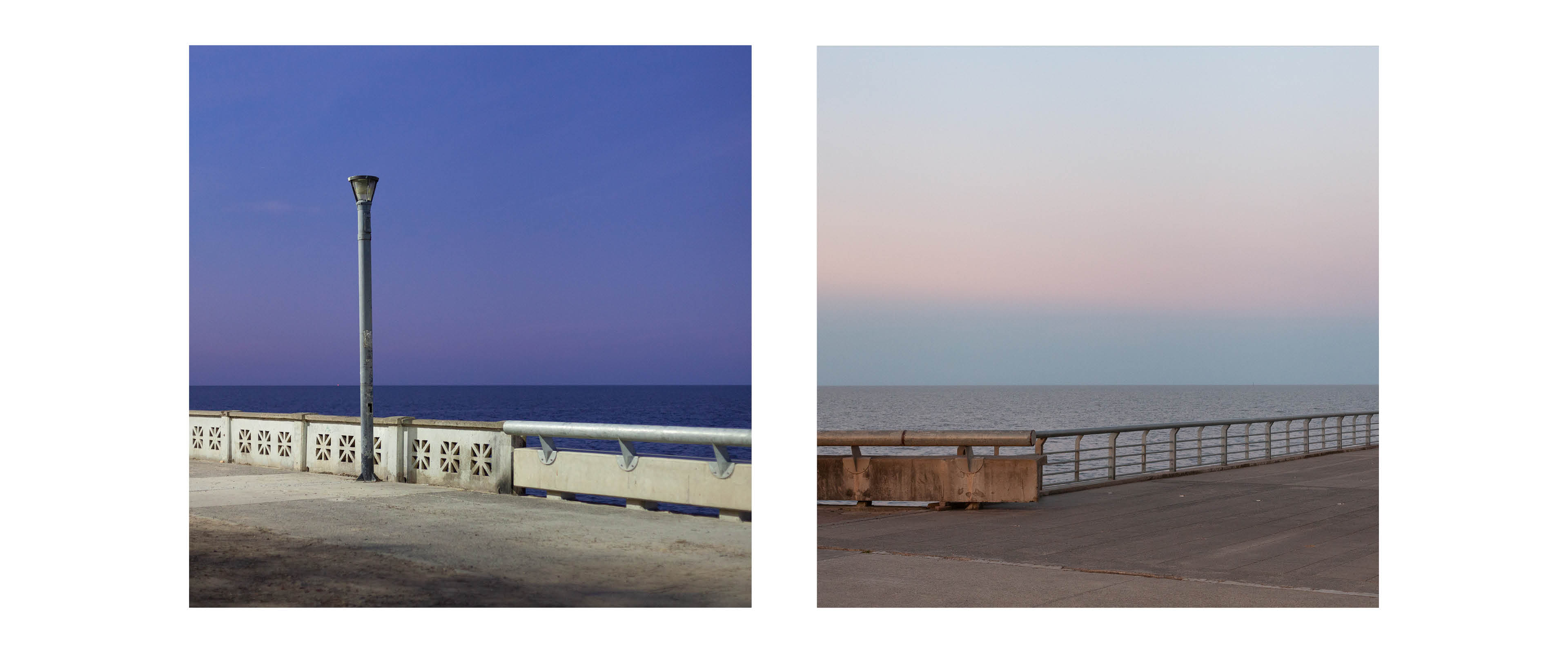
Once, the plain and the river were continuous. The founding of Buenos Aires turned the plain into an urban settlement. Later, into a city that advanced upon the river and needed to contain it. To that end, a series of projects were built, each proposing its own solution to the break in continuity. That discontinuity requires roughly three to five meters to hold back the rising water. From the first project to today, it culminates in a railing or balustrade that determines the way the river is seen.
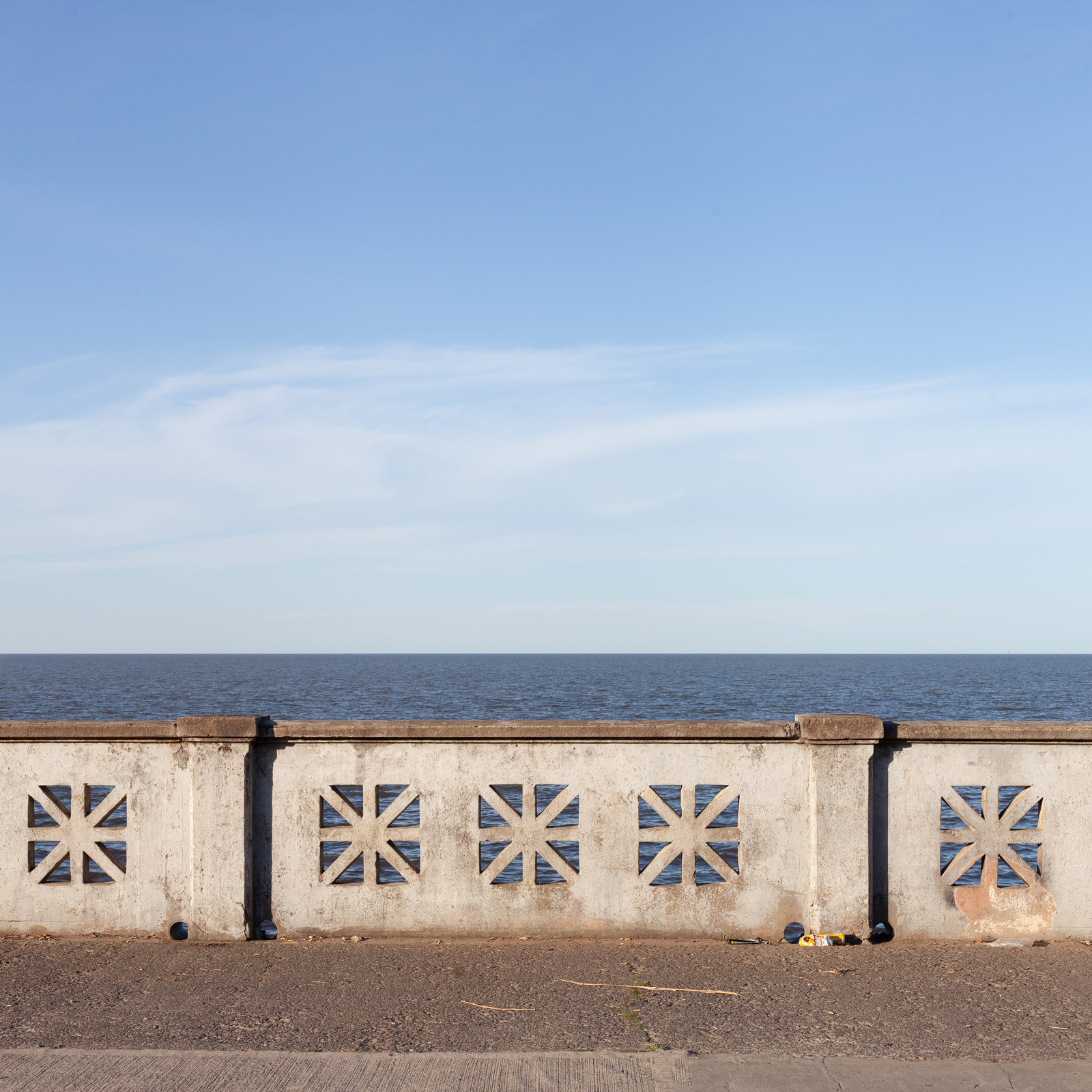
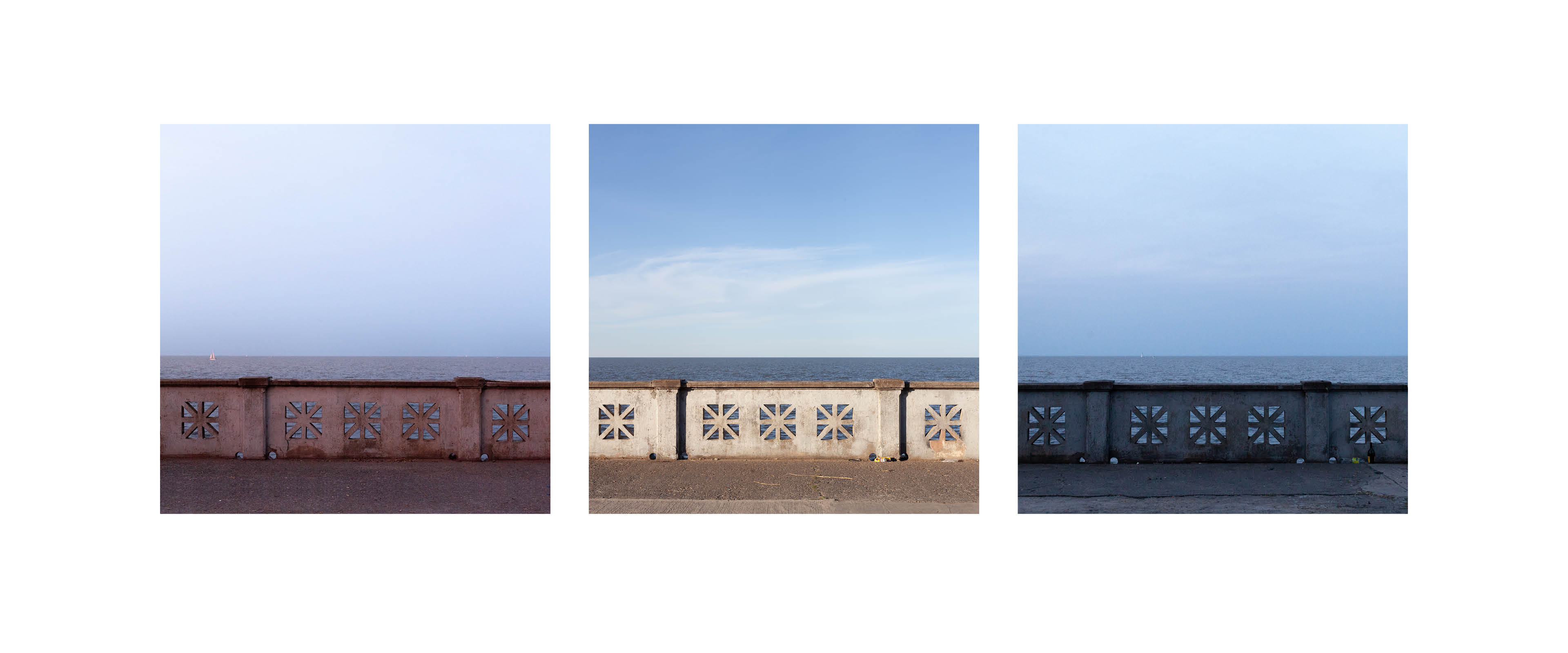
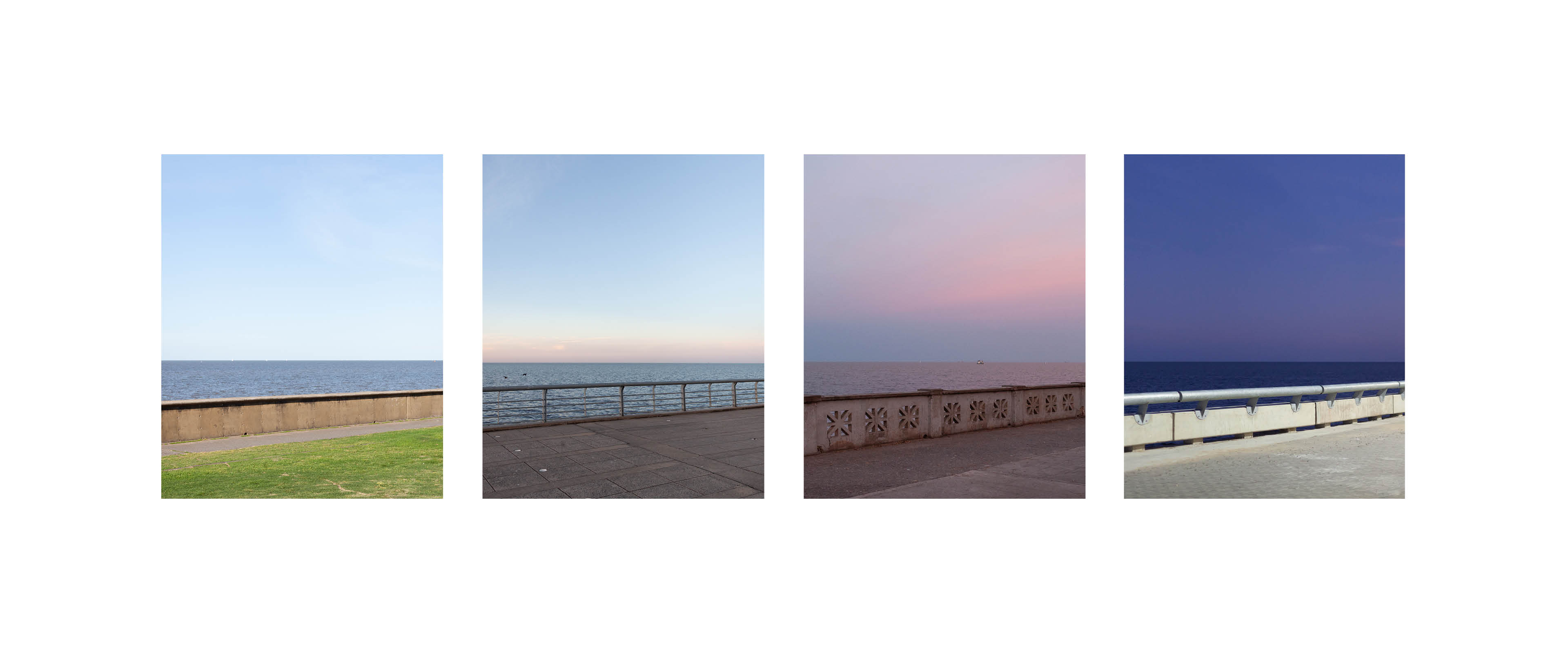
There are three types of railings, according to their construction models. What sets them apart is their capacity to be seen through —that is, the different kind of interaction they allow with the landscape, in terms of fixing a horizon that the material either blocks or does not. First, the concrete ones, with a minimum width of 40 cm. At the columns, they widen and flatten out. They are used to lean against, to sit on, or to rest fishing gear and fish upon. Their color is close to that of the brown river, but the stability of the stone-like material against the instability of the water means that, over the course of a day, the two take on very different tones. For someone sitting in a beach chair, or a child walking by, the railing becomes a near horizon: it hides the immediate view of the river and leaves only a strip of the far river and the sky above. It can also be used to bounce a ball off of. Then there are the metal railings, with a narrower section. Seen up close and head-on, the river is visible through them. The galvanizing and steel reflect the color of the sky and the water. Whether sitting or walking, the horizon becomes the far shore of the river —one that rarely appears. Finally, there are the models that use both materials.
He was born on August 24, 1997, in Buenos Aires, Argentina. He is an architect, photographer, and editor. He completed his university studies at the Faculty of Architecture of Buenos Aires. From 2019 to 2023, he trained at Javier Agustín Rojas’s studio. Together with Roberto Lombardi, he coordinated a research project on the organization of transparency in the works of Mario Roberto Álvarez & Associates in Buenos Aires’ City district. He is currently a lecturer in Architectural History at the Aboy Chair, FADU, UBA. He works as an editor at RDR Arquitectos, as a construction director alongside Fernando Carro, and develops his practice as an independent architectural photographer.
www.instagram.com/ivanbreyter