Capriccio
Un borde (im)posible de Buenos Aires
“(…)The inhabitants of a territory never stop crossing out and rewriting in the old book of the soil. […] A territory full of traces and forced readings resembles, rather, a palimpsest.(…)”¹
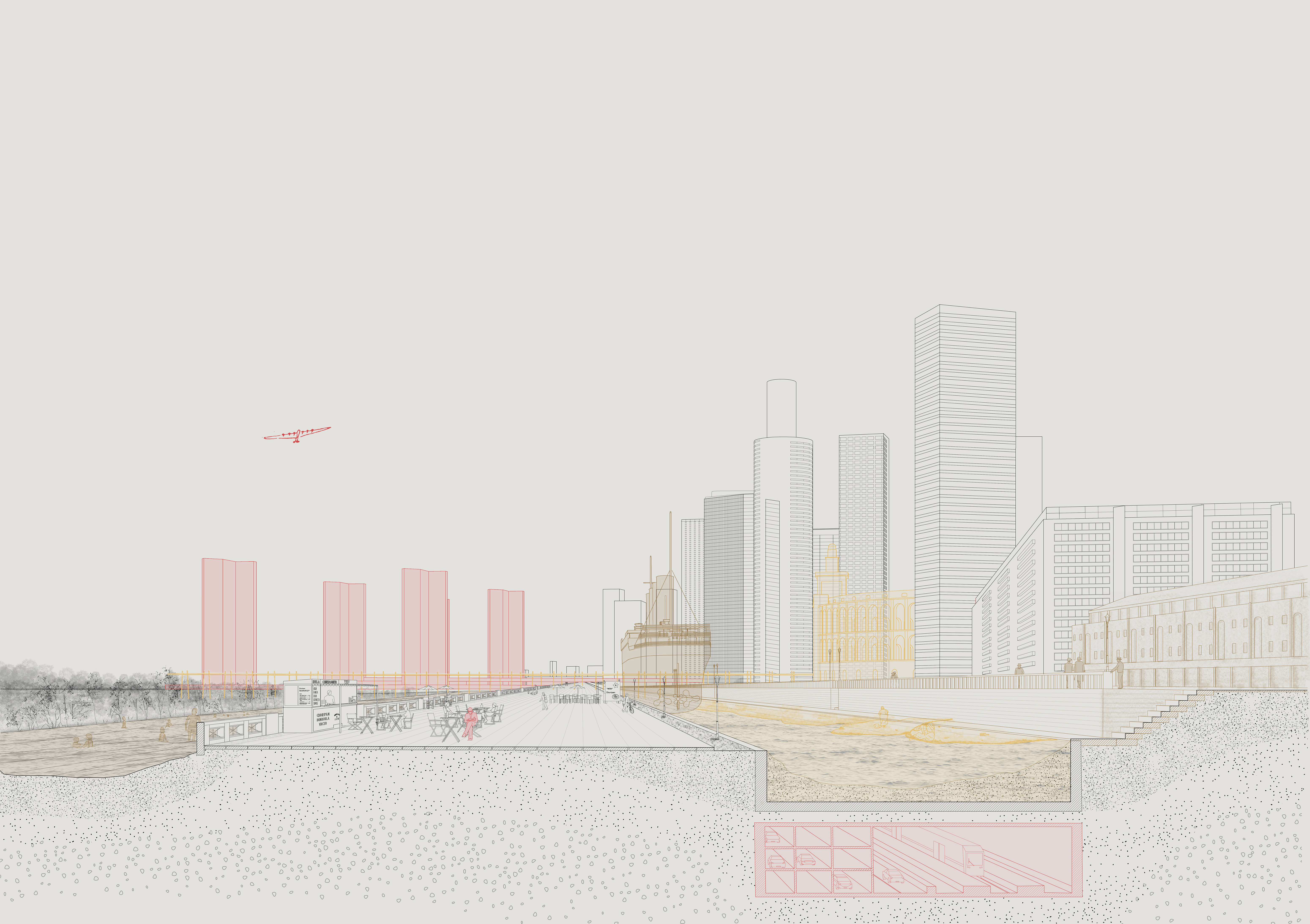
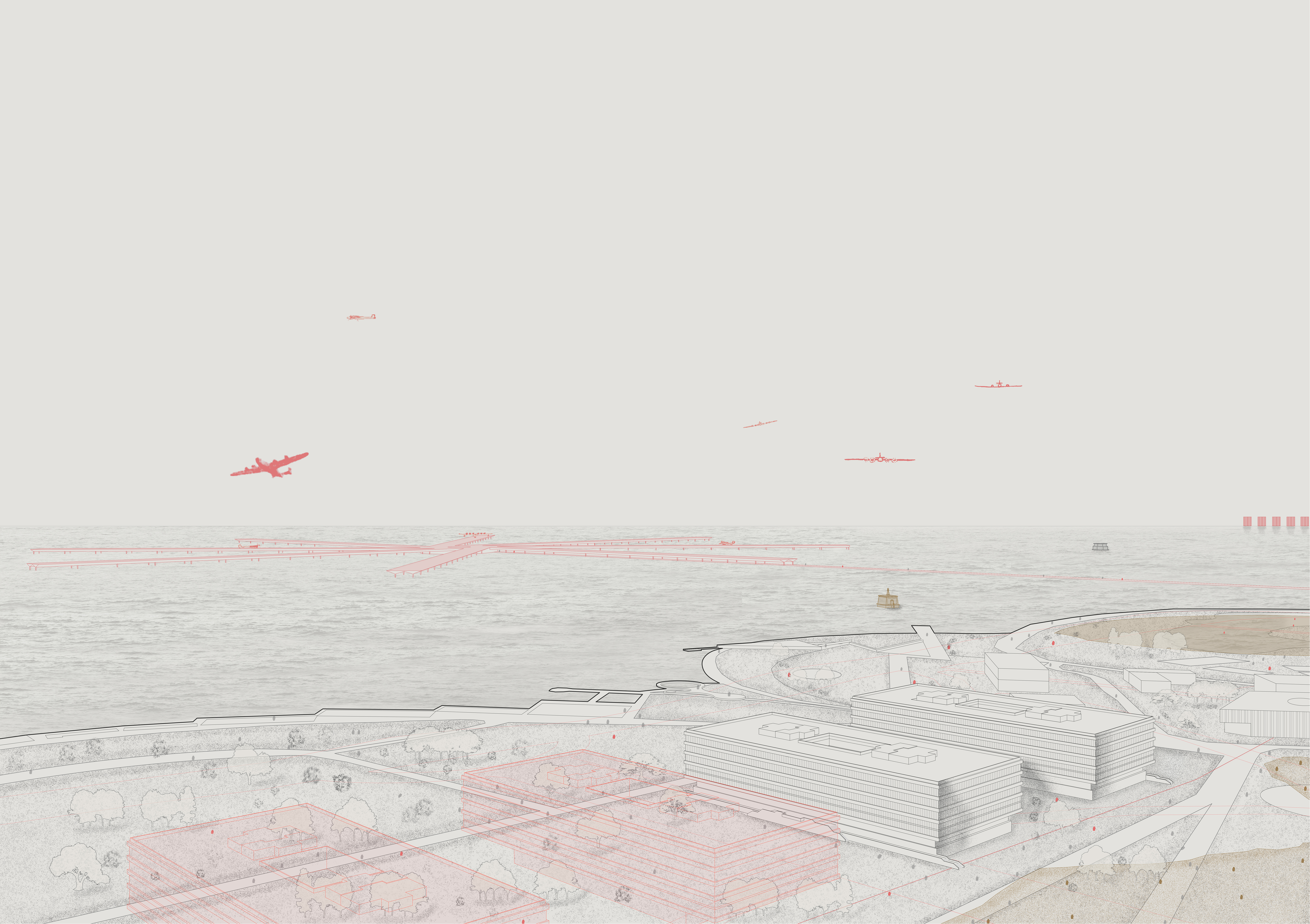
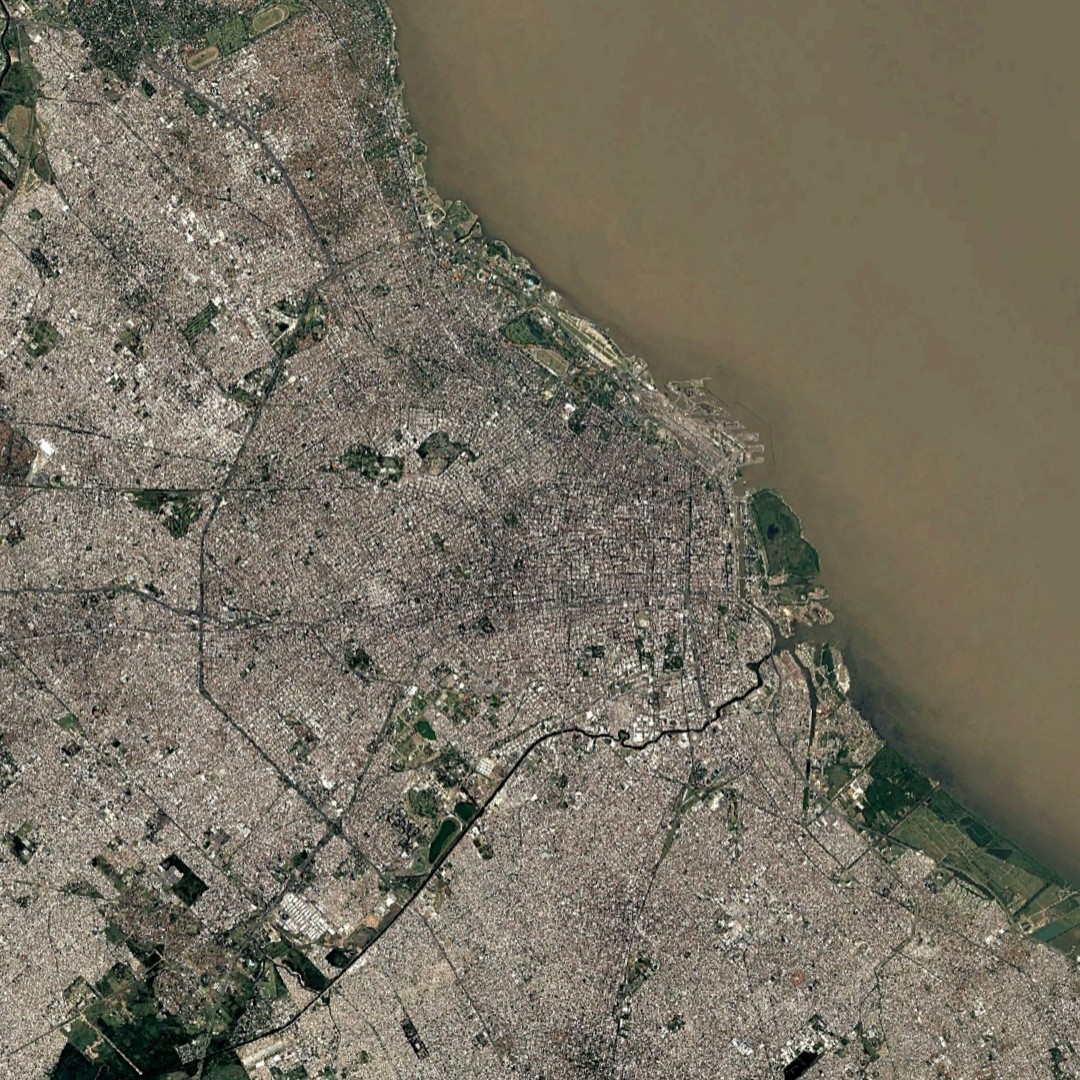
We describe the edge of Buenos Aires from a timeless perspective, one that ties together history and present to imagine an (im)possible future.
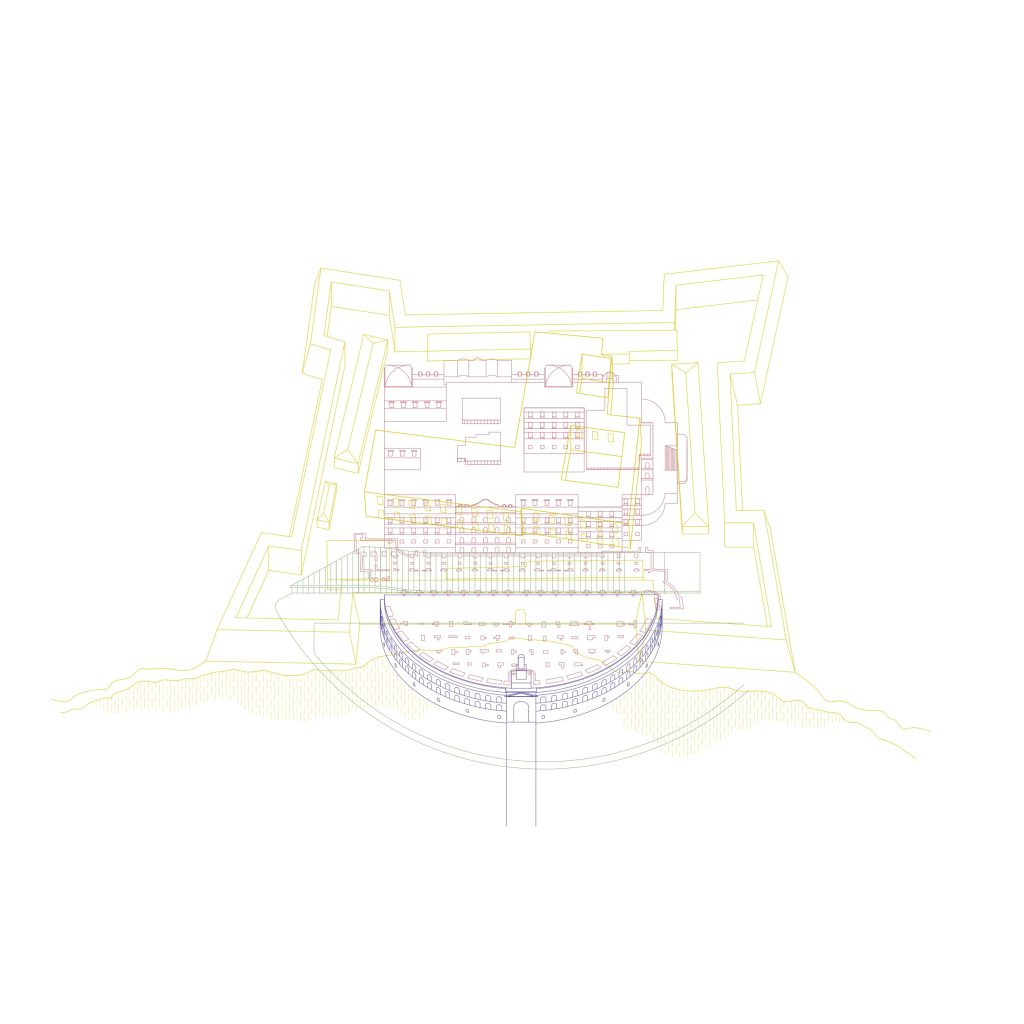
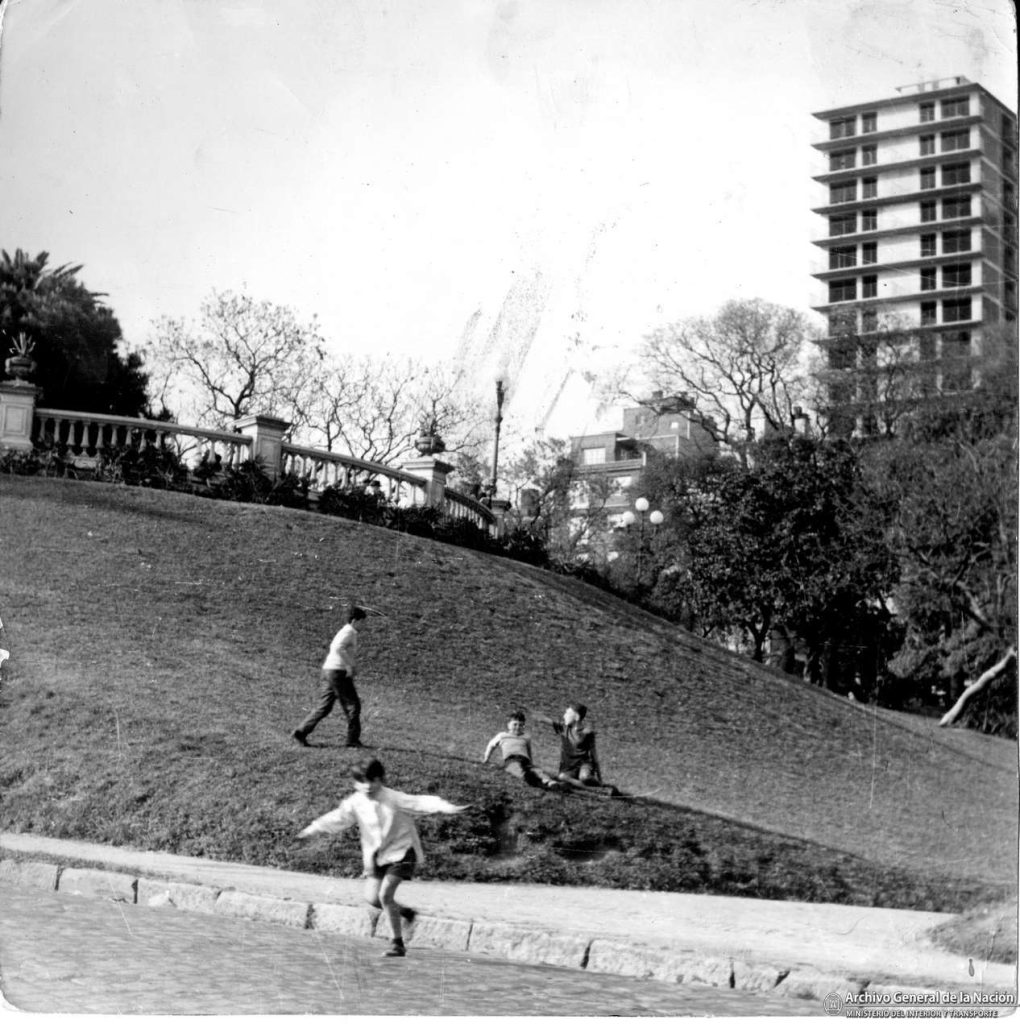
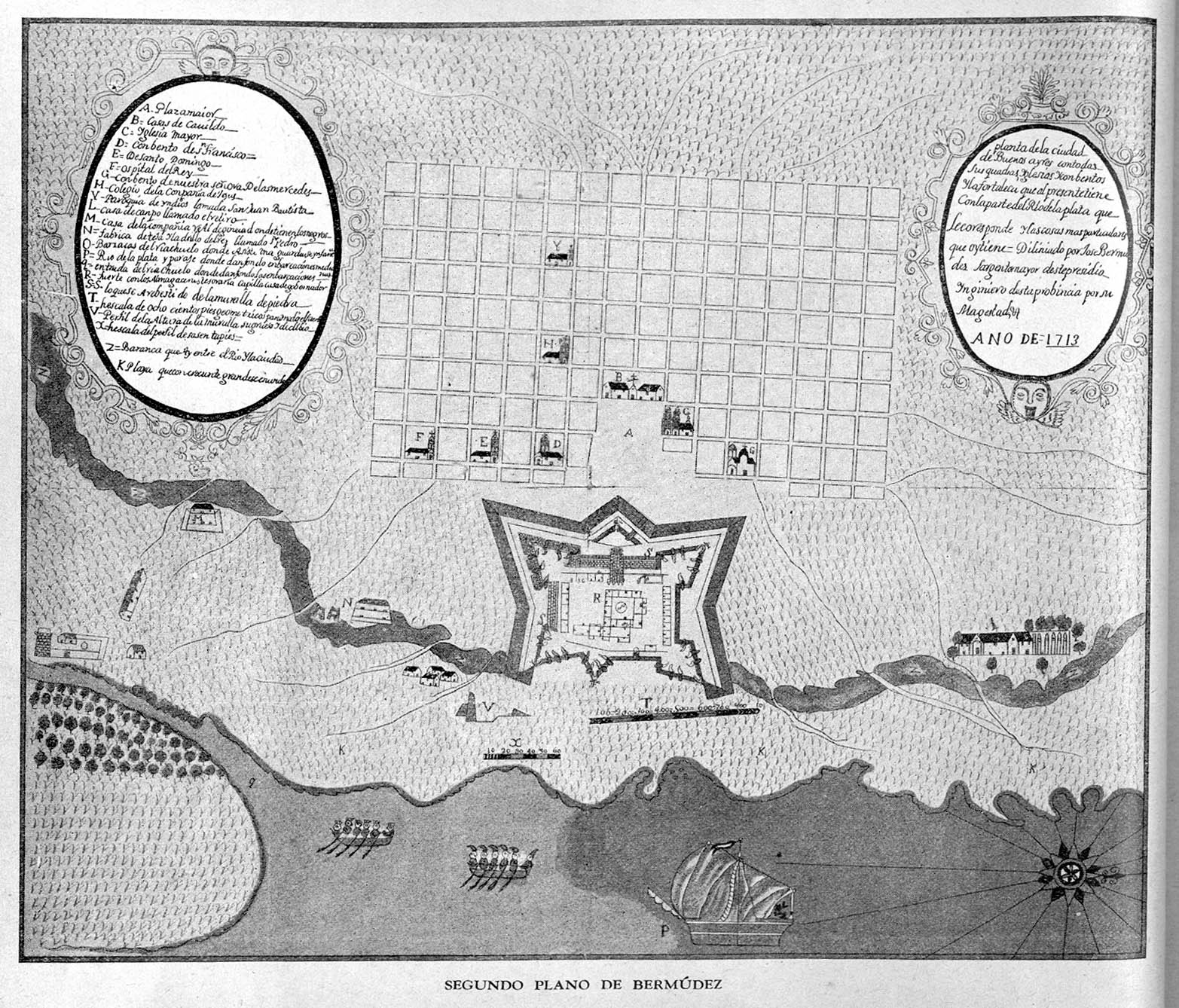
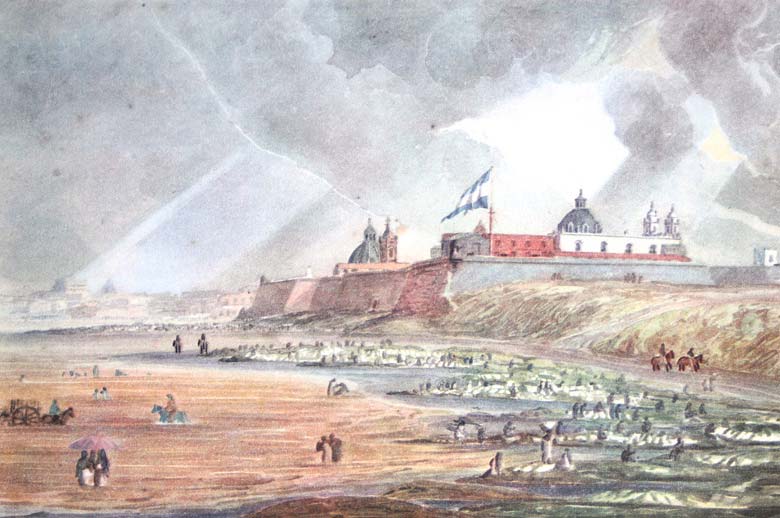
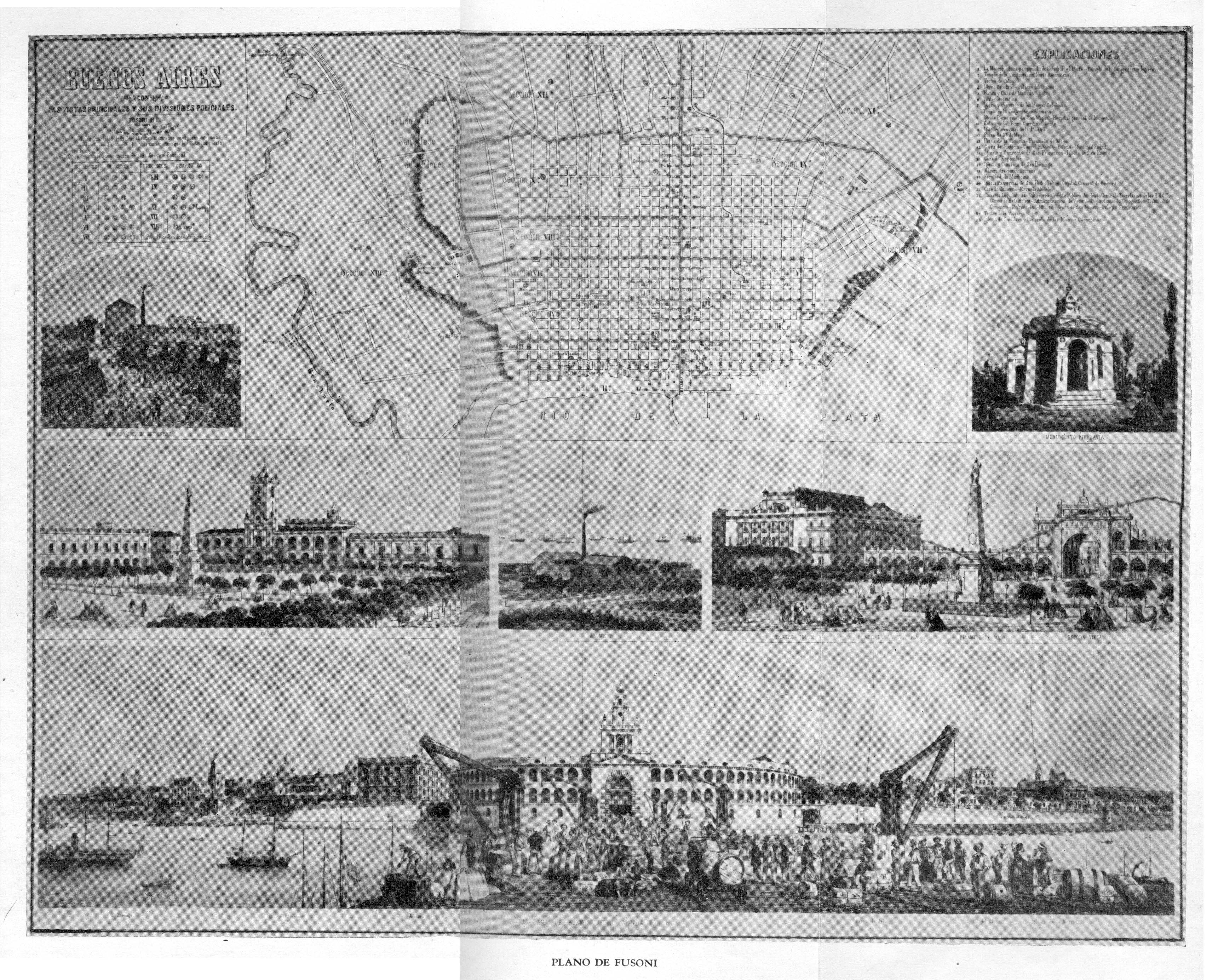
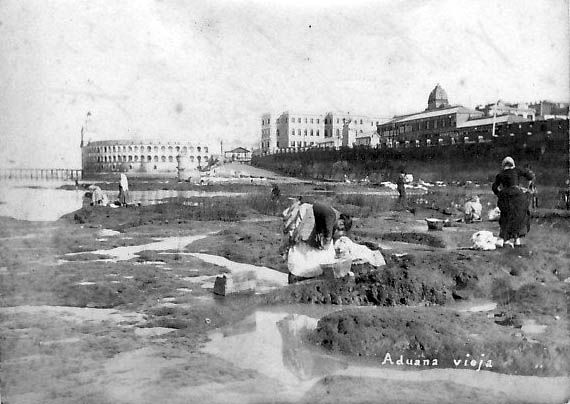
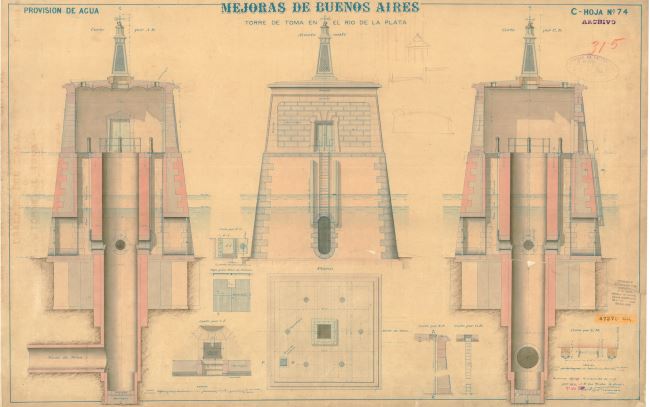
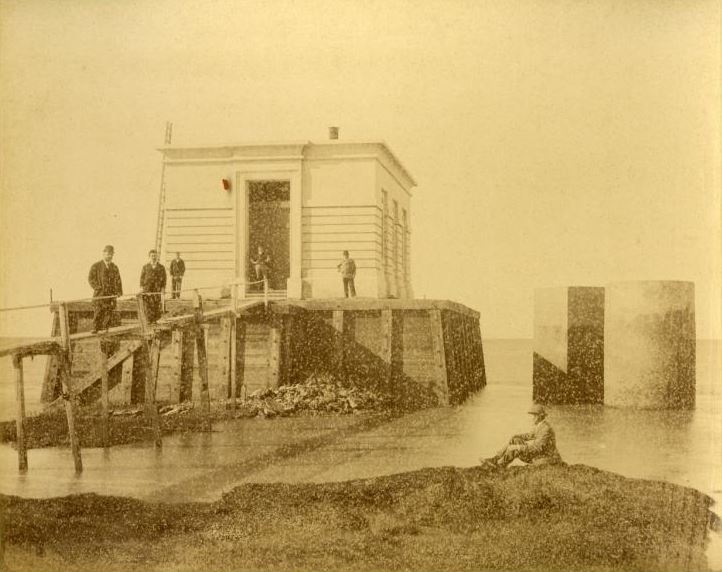
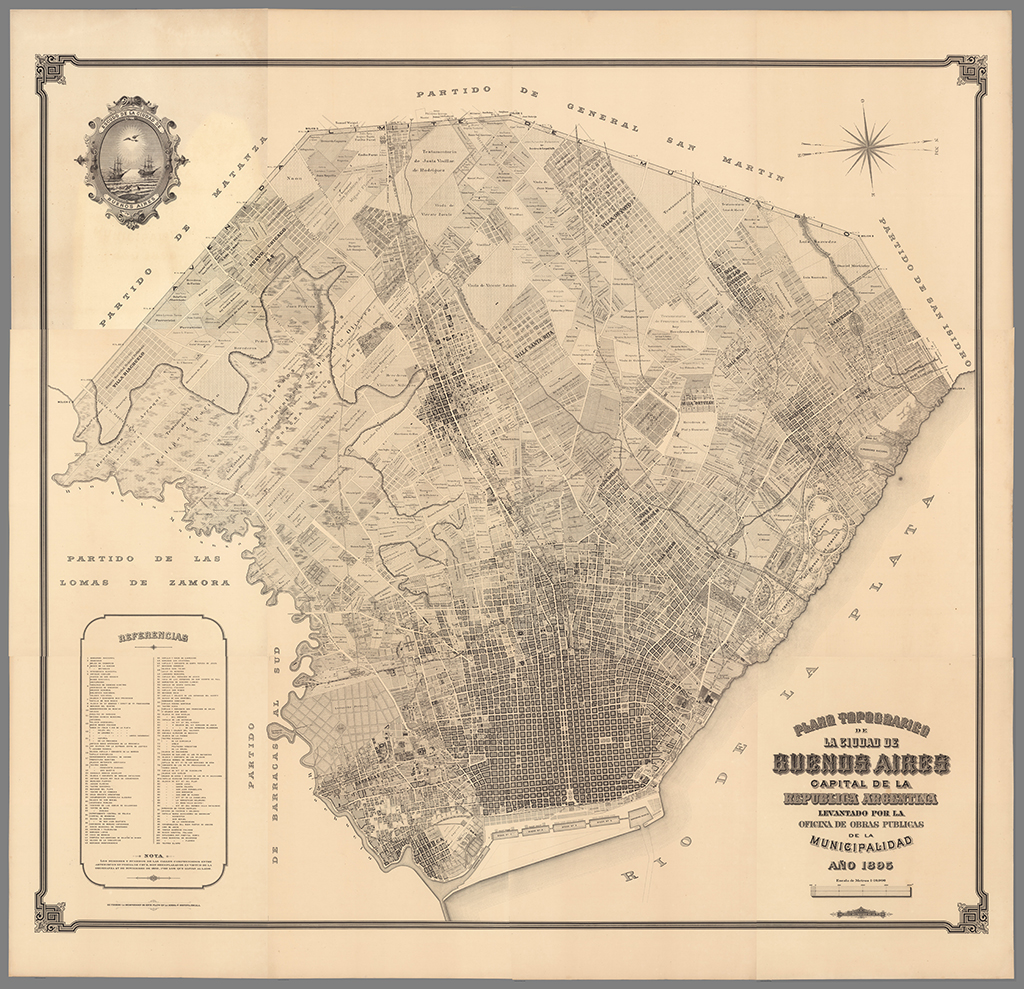
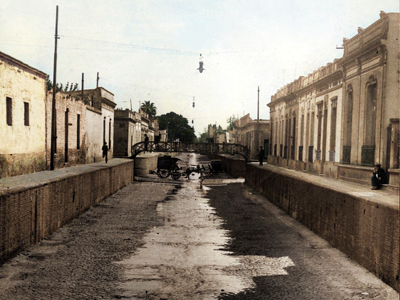
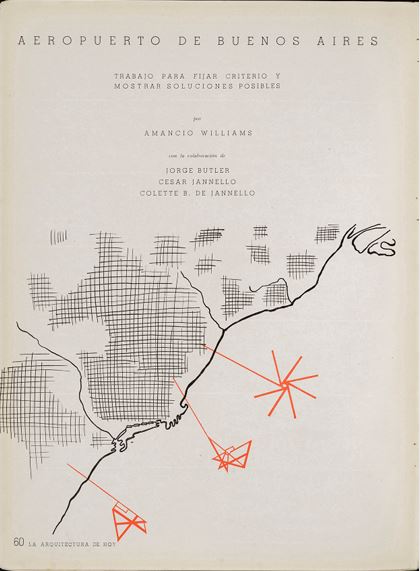
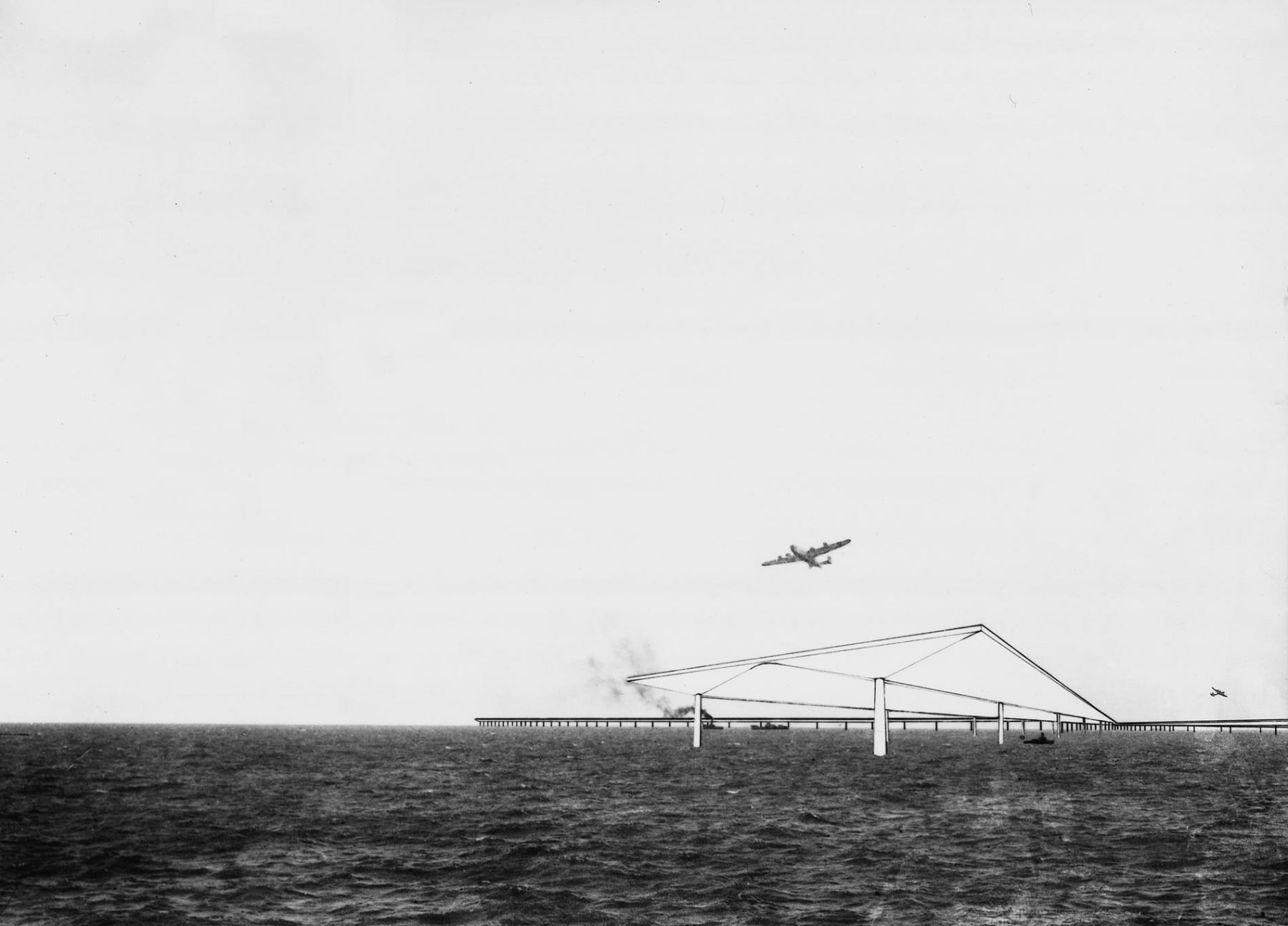
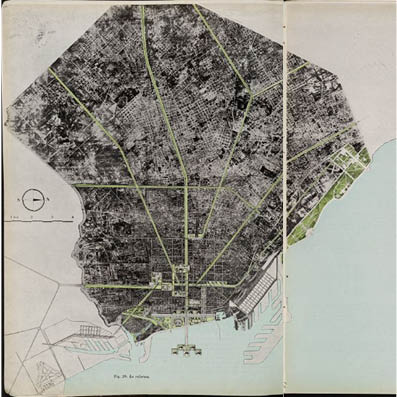
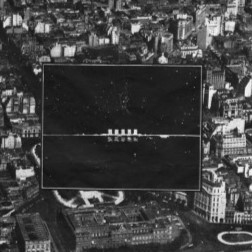
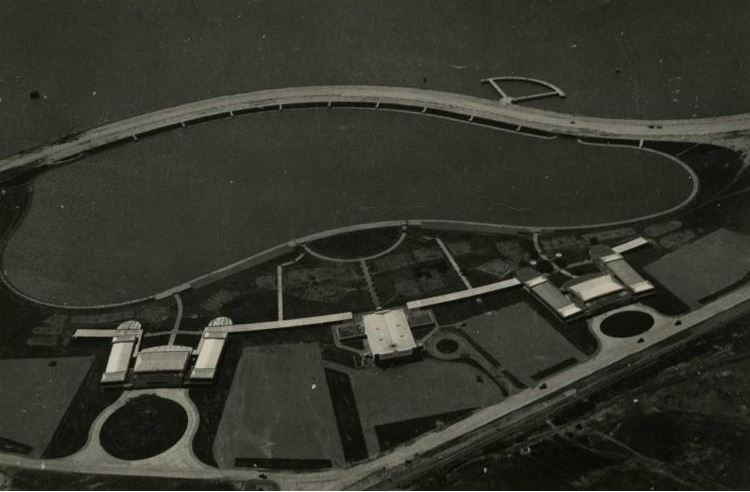
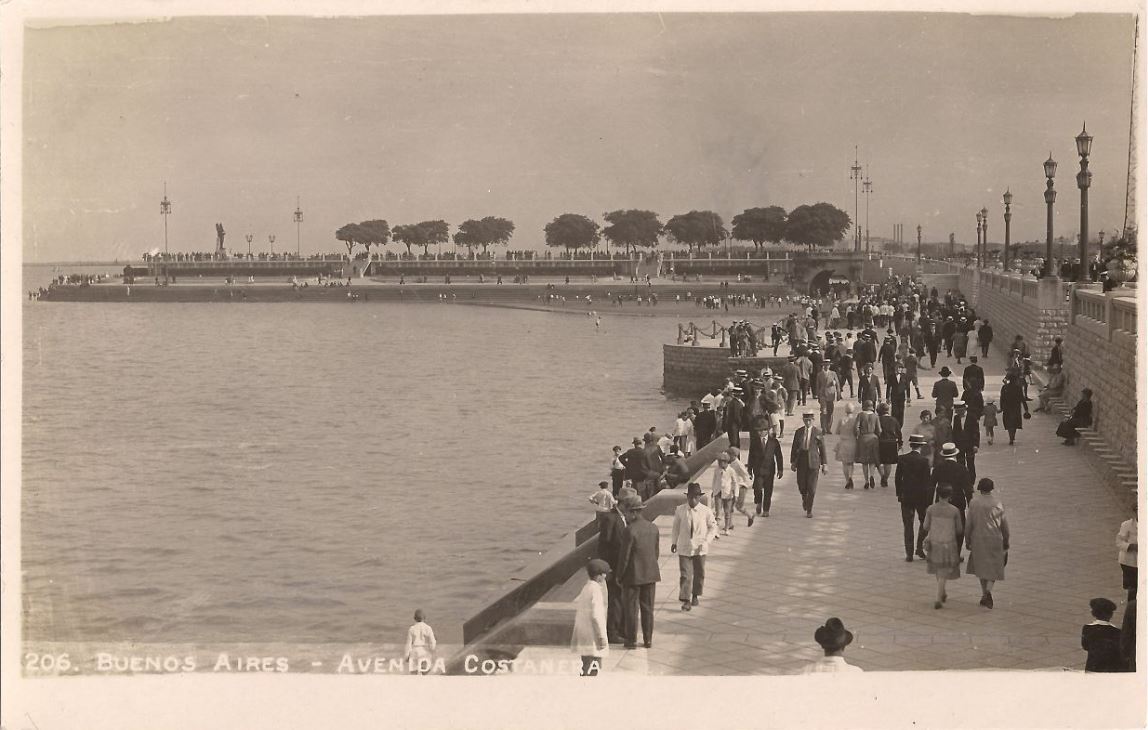
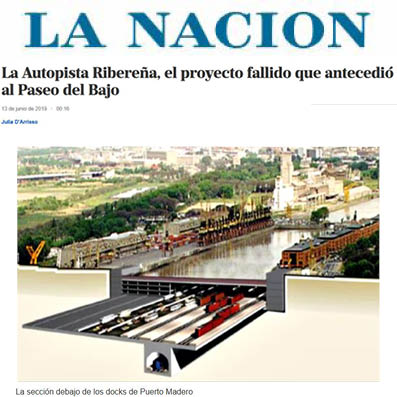
Through a selection of historical maps and notable projects for Buenos Aires, this work records a series of edge-lines that trace the transformation of the blurred boundary between water and land over the last centuries. The document draws simultaneously on both factual and imagined sources of the city.
Using the figures of the palimpsest¹ and the capriccio², a record is built that overlaps layers upon layers and blurs the line between reality and fiction. In the manner of old navigational charts —which relied on both abstract and figurative representations— this cartographic record blends with visualizations of a timeless, (im)possible edge of the city.
The map operates here not as an artifact that freezes a state of affairs, but as one that allows us to understand (or navigate) a territory in transformation —constructing it even as it describes it, uncovering realities that were previously invisible or unimaginable.

Notas
- 1The Territory as Palimpsest
Corboz, A. (2015)
Alonso & Crippa
Mariano Alonso (1980) and Ludmila Crippa (1982) are architects graduated from the Faculty of Architecture, Design and Urbanism at the University of Buenos Aires.
Both have been teaching in the Project and Morphology area since 2008, and simultaneously at the University of San Martín since 2014.