Capriccio by Alonso & Crippa | by Alonso & Crippa
...



“(…) Two deserts, the terrestrial and the aquatic, juxtaposed almost without a break in continuity (…)”¹
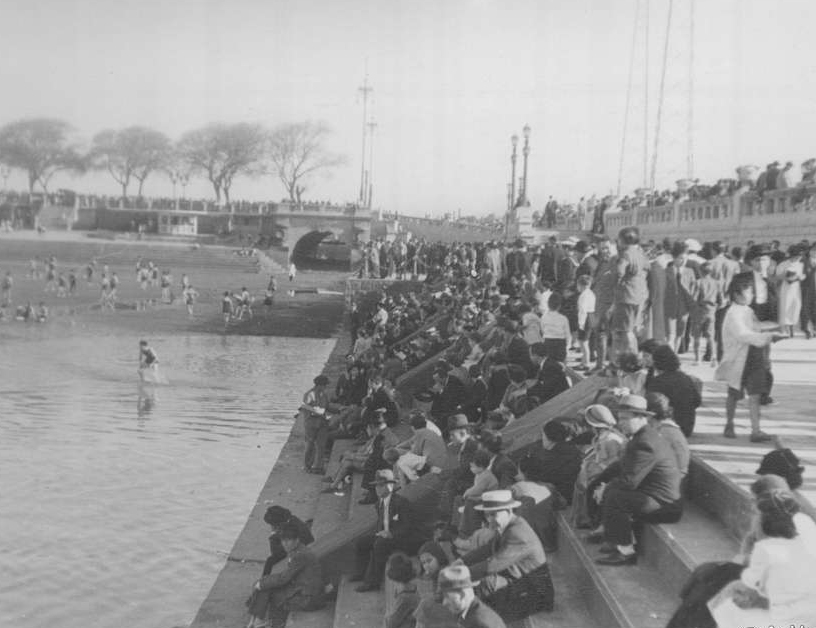
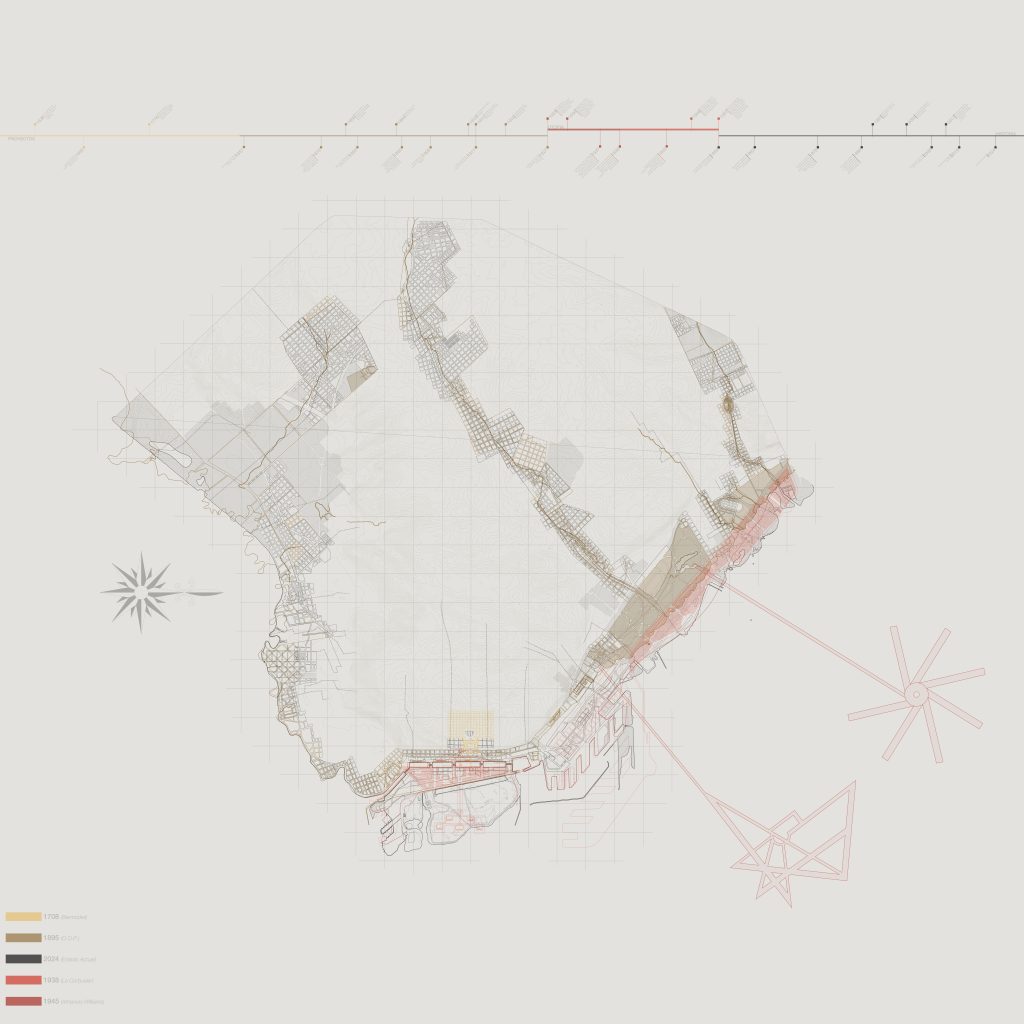
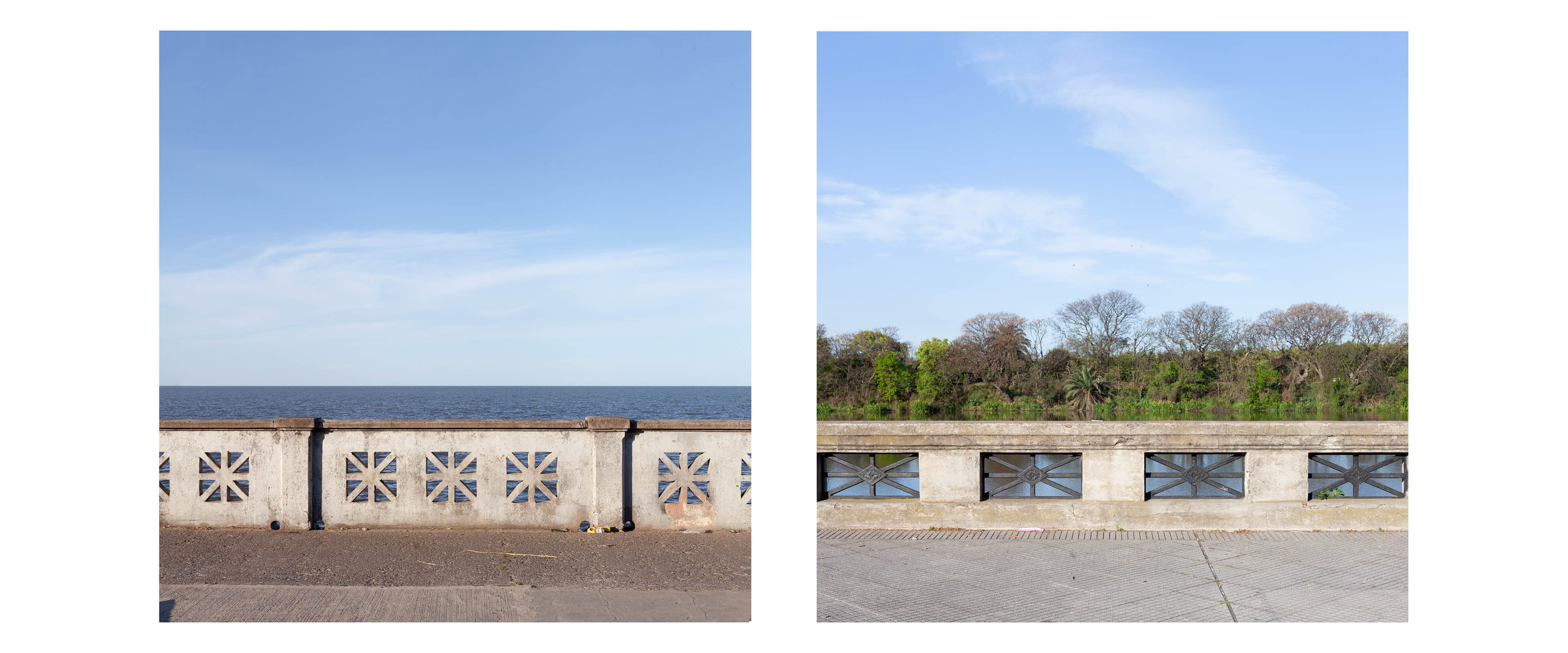
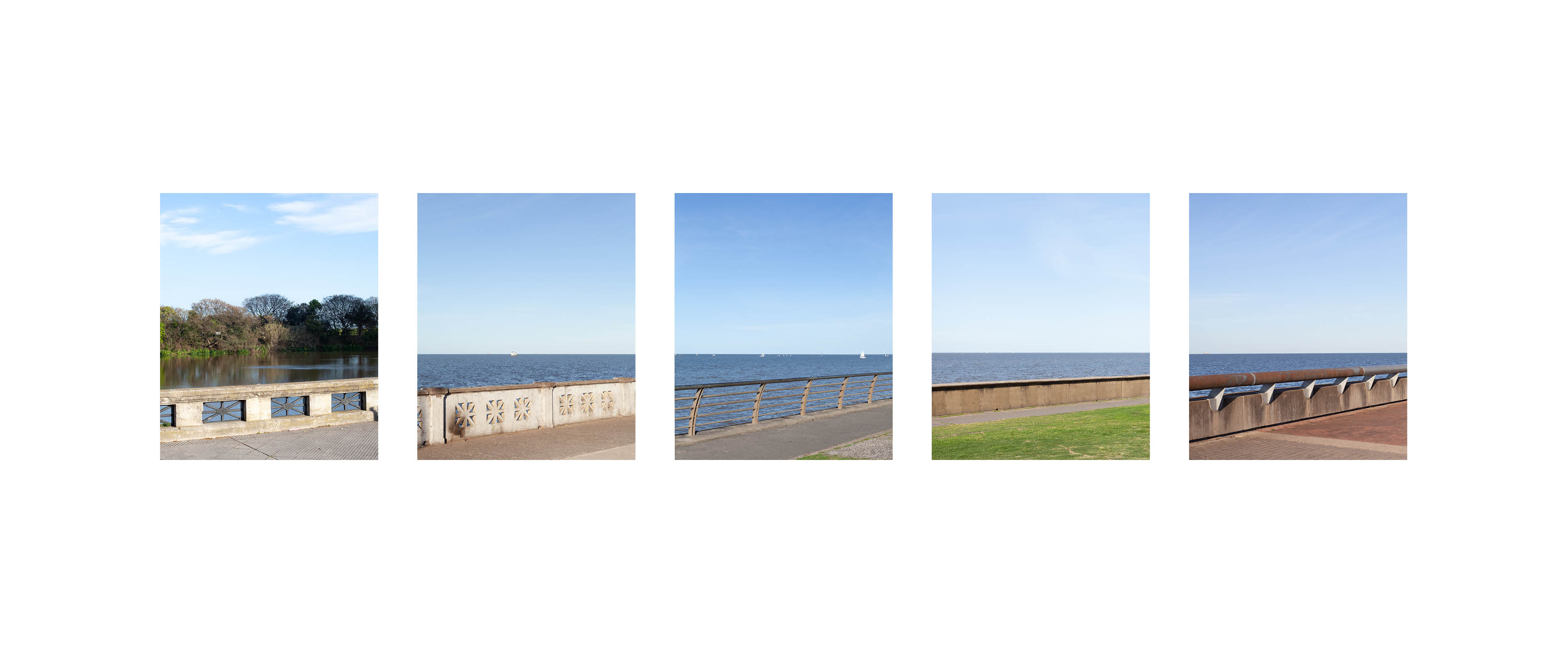
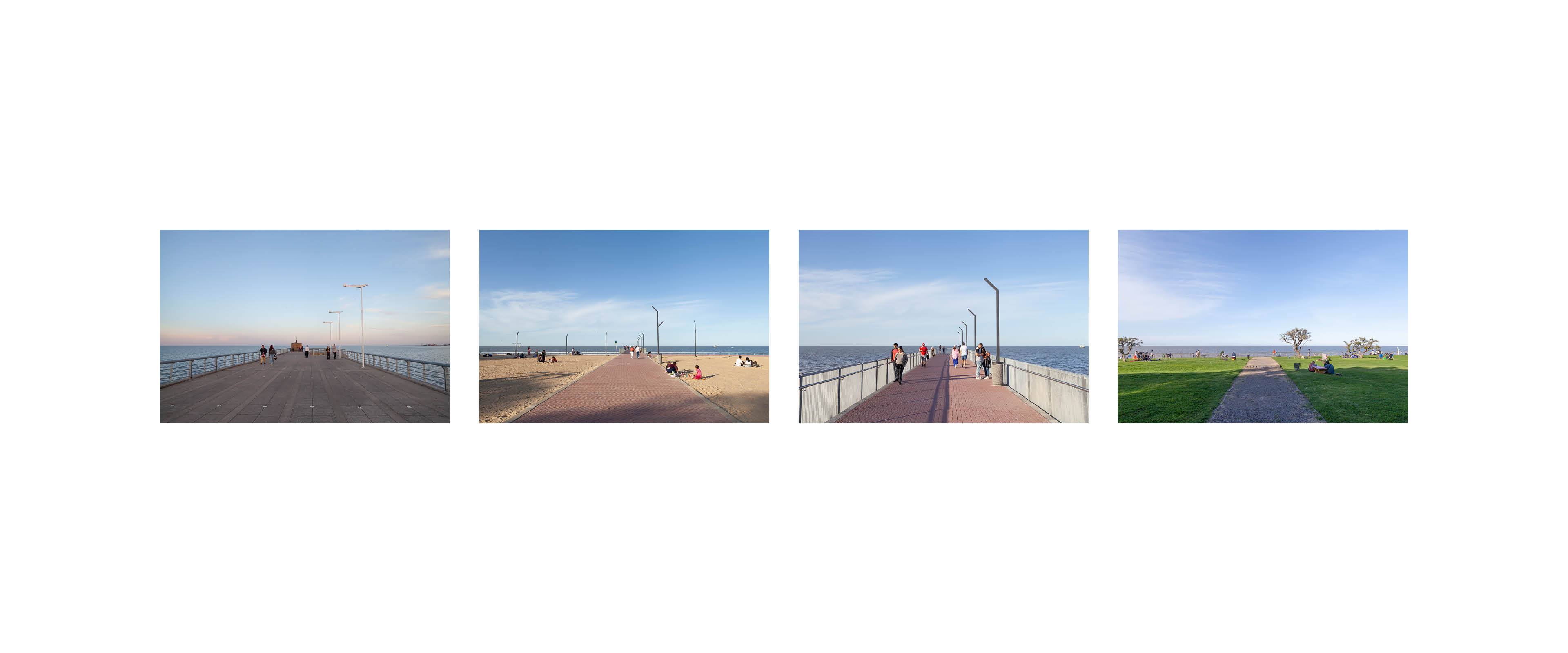
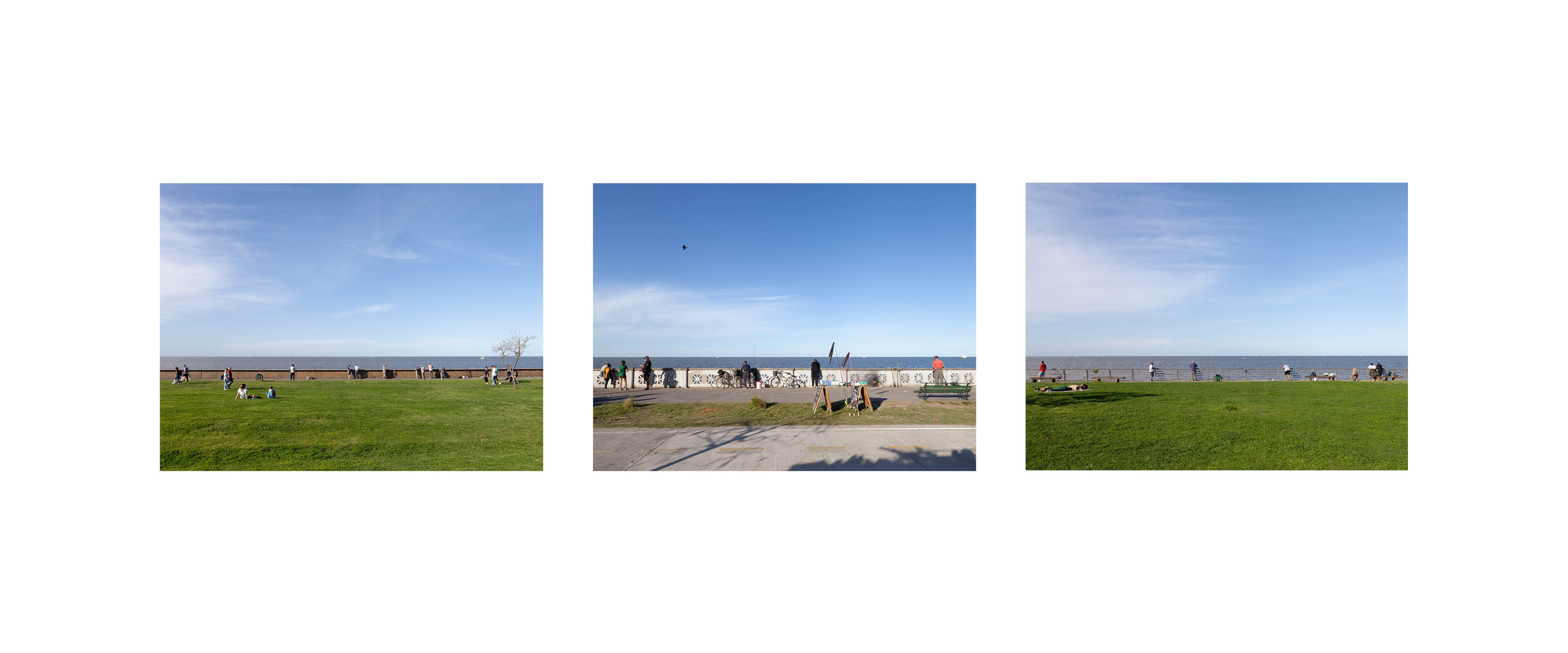
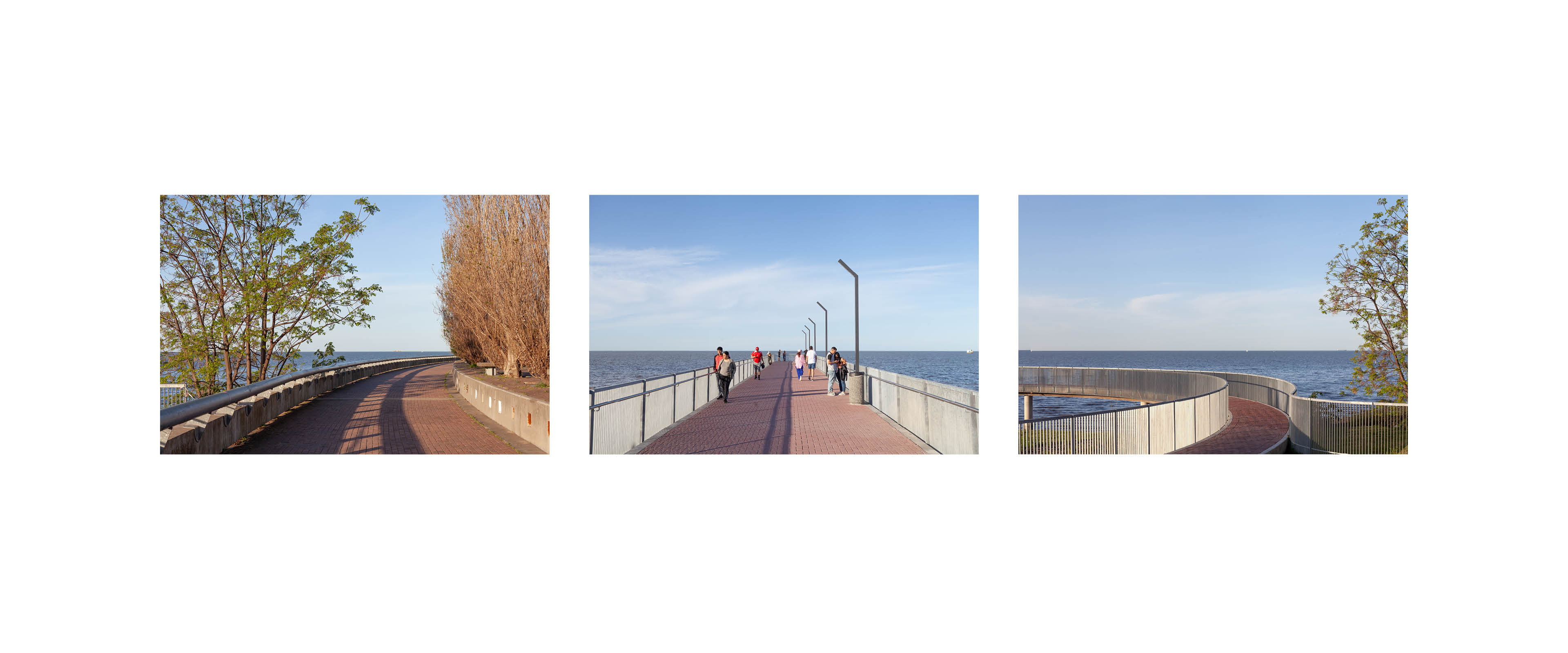
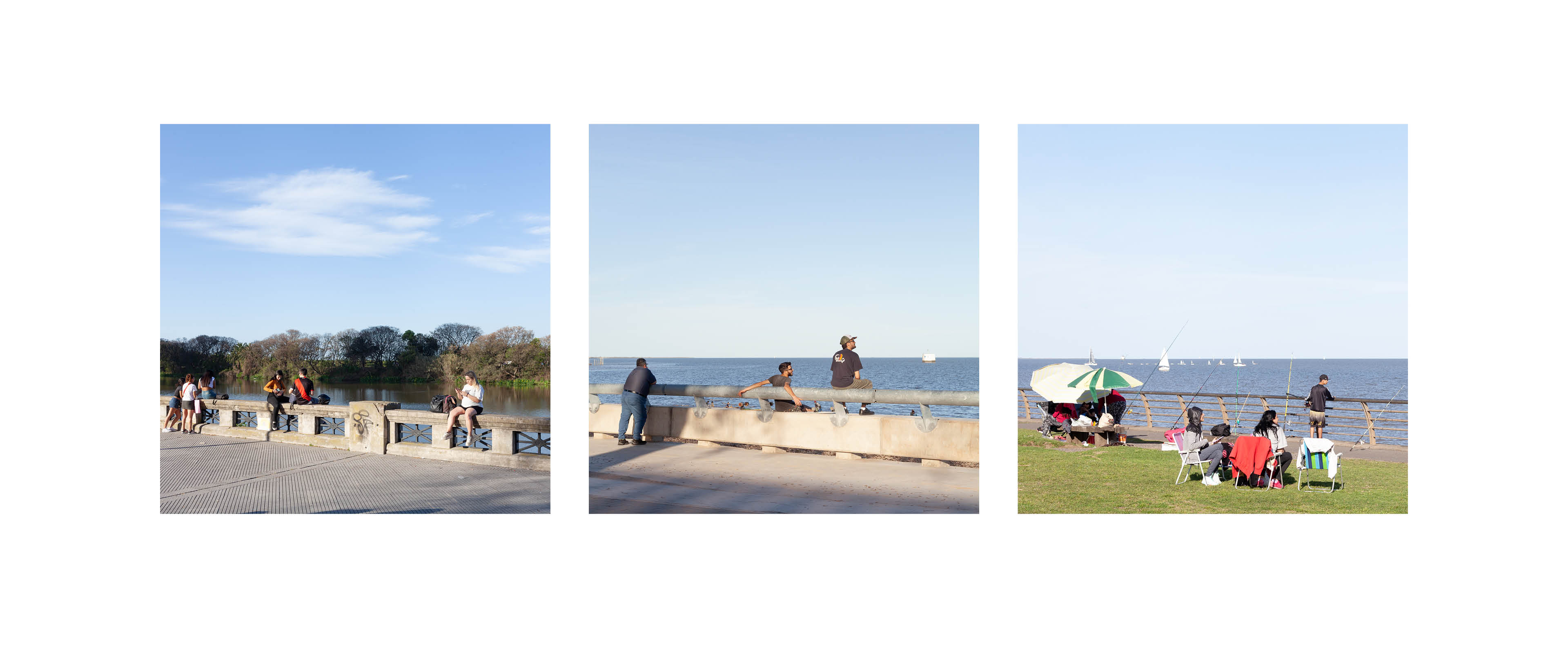
Once, the plain and the river were continuous. The founding of Buenos Aires transformed the plain into an urban settlement. Later, the city advanced over the river and needed to contain it. To achieve this, a series of projects were inaugurated that proposed a solution of continuity. This discontinuity requires a difference of about 3 to 5 meters to hold back the rising water. From the first project to today, it culminates in a railing or balustrade that defines how the river is seen.
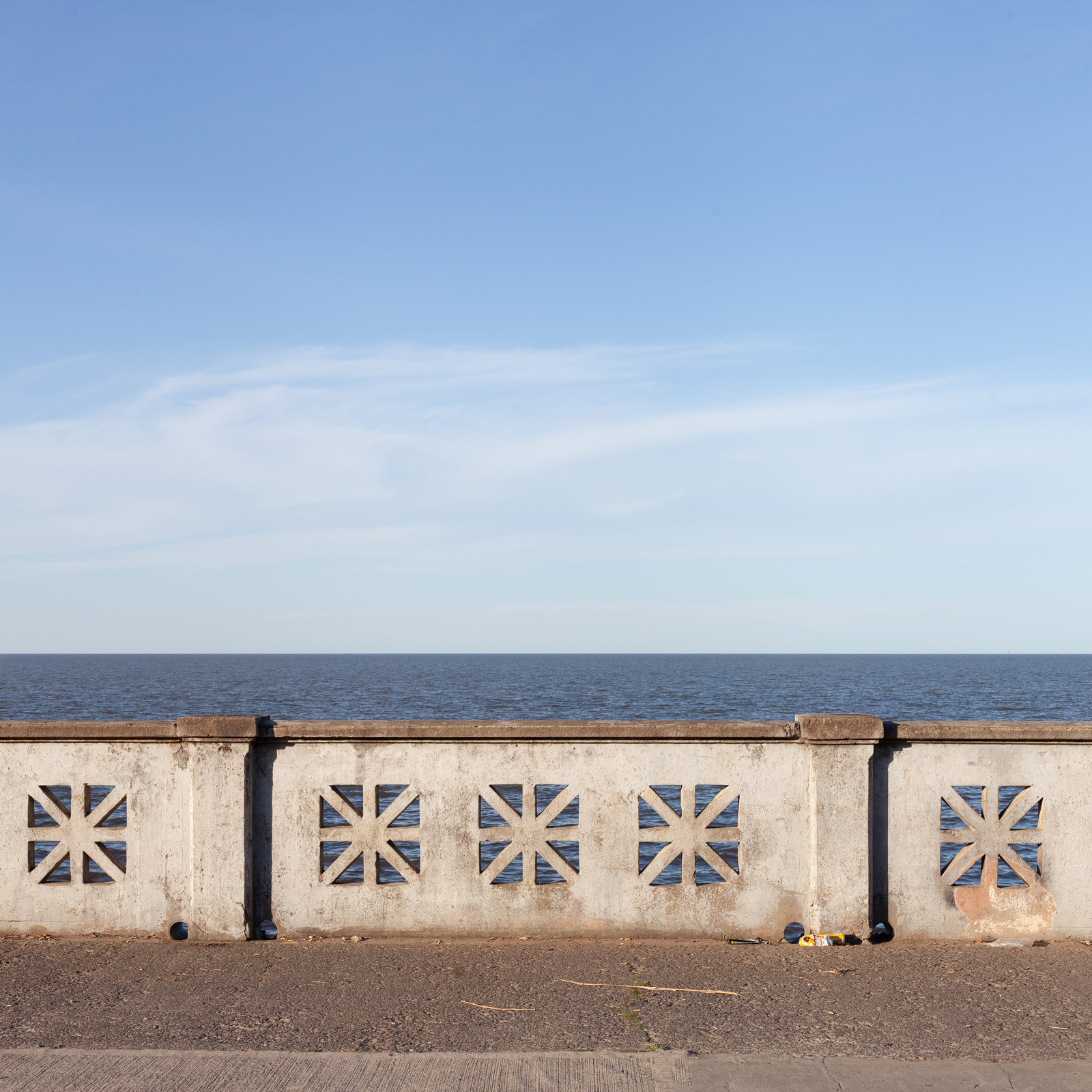
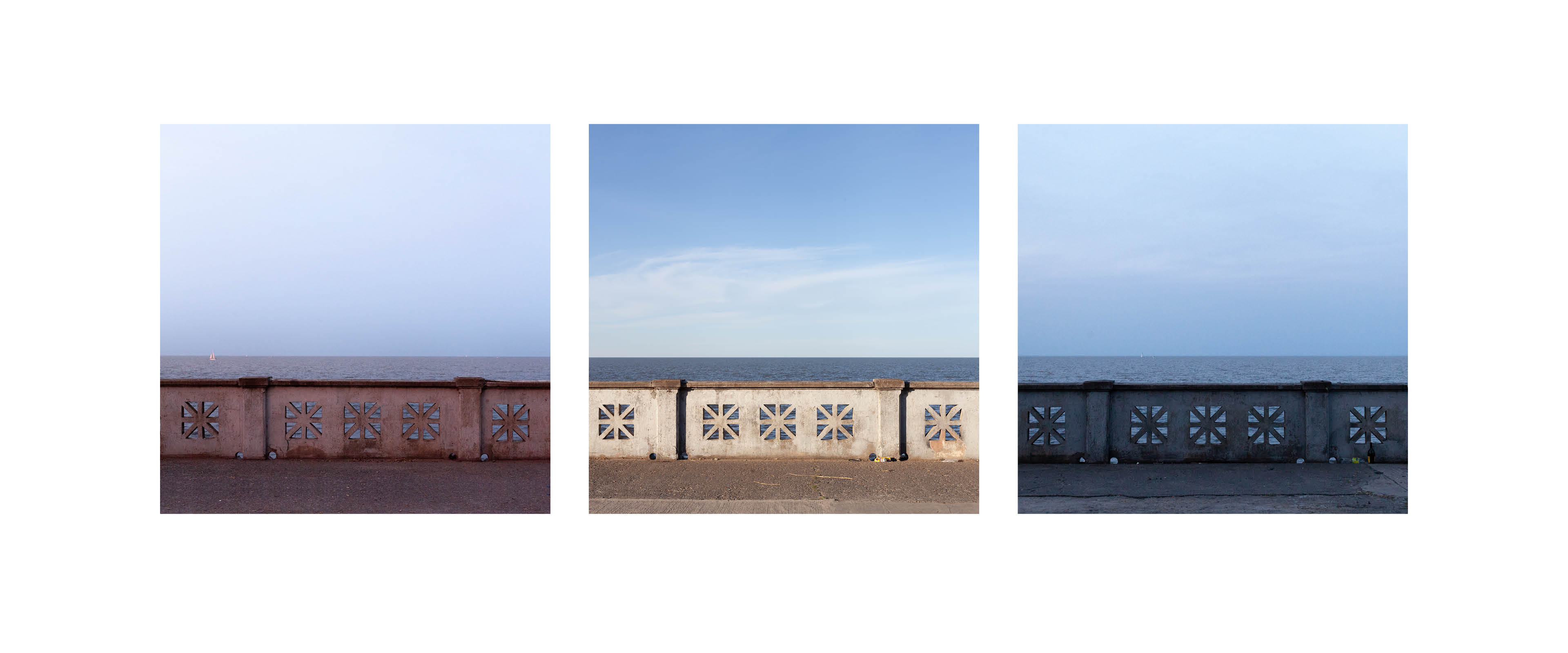
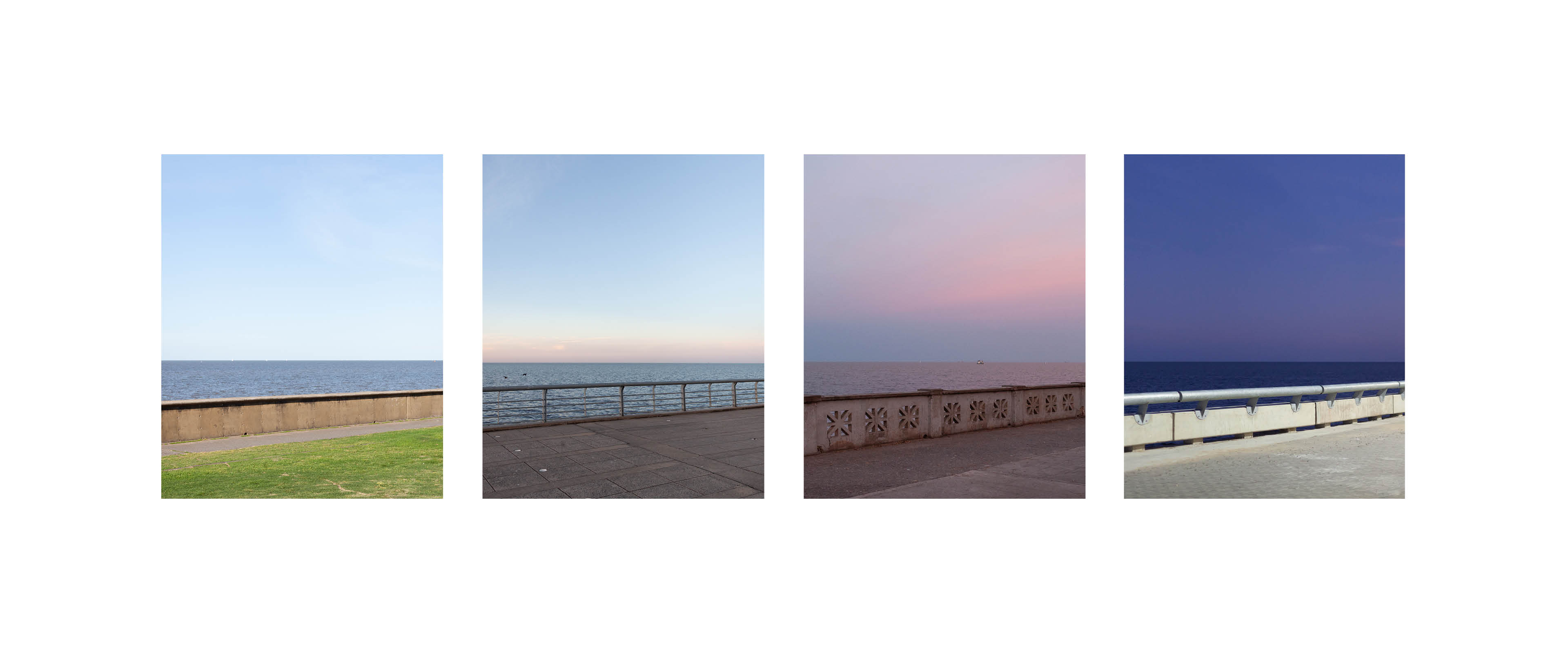
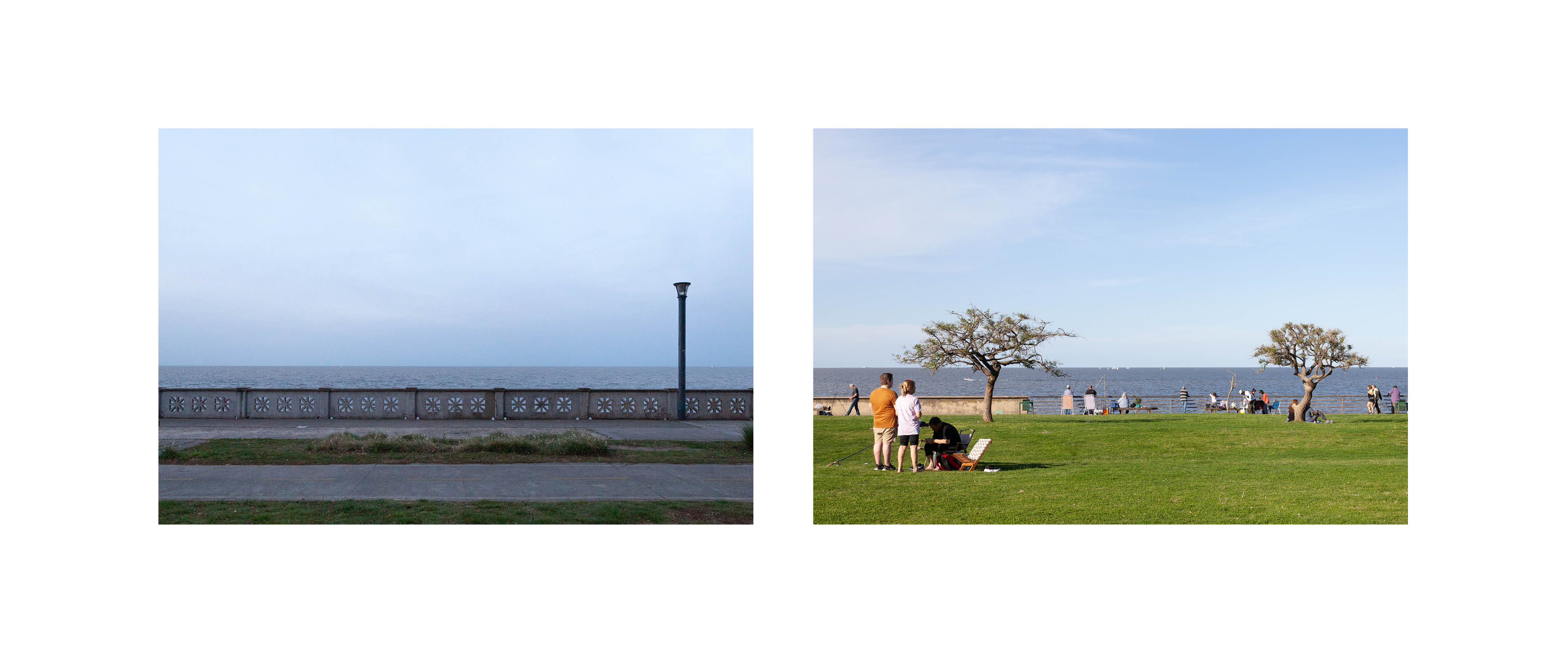
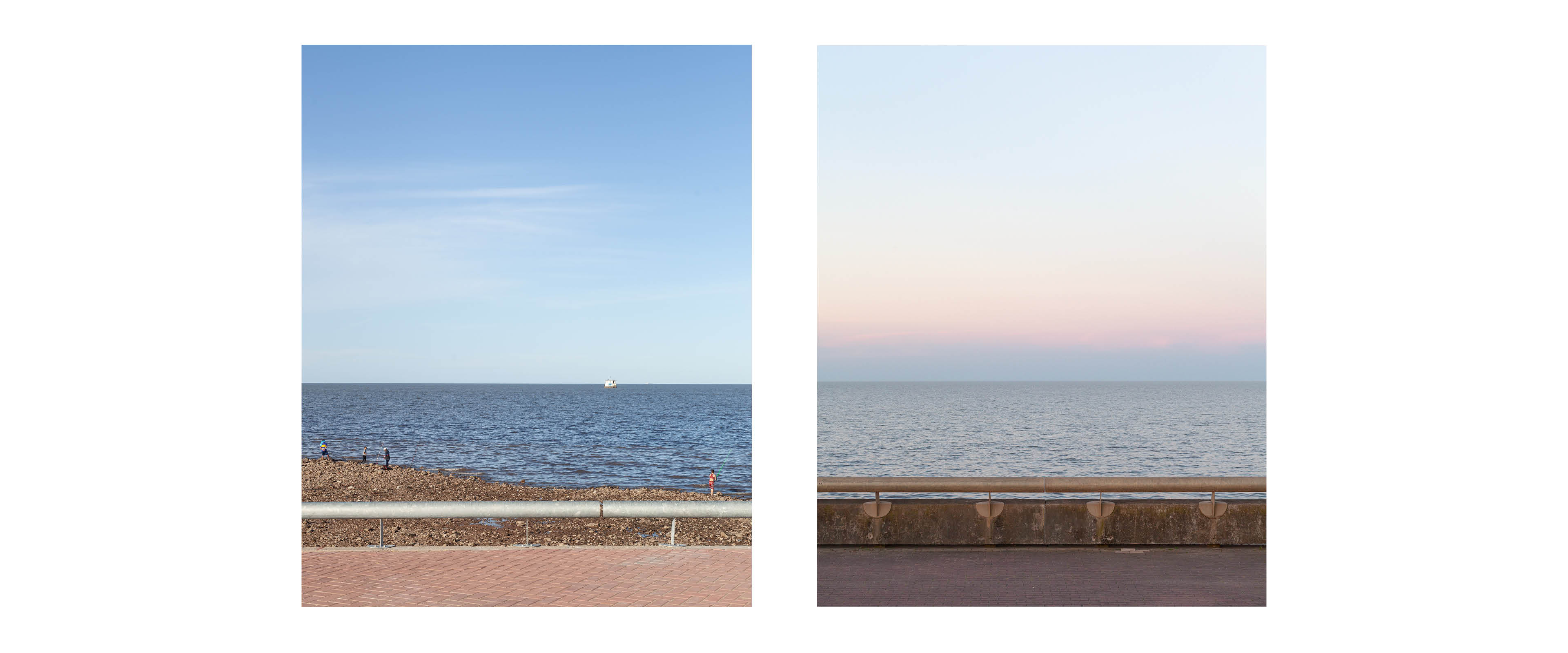
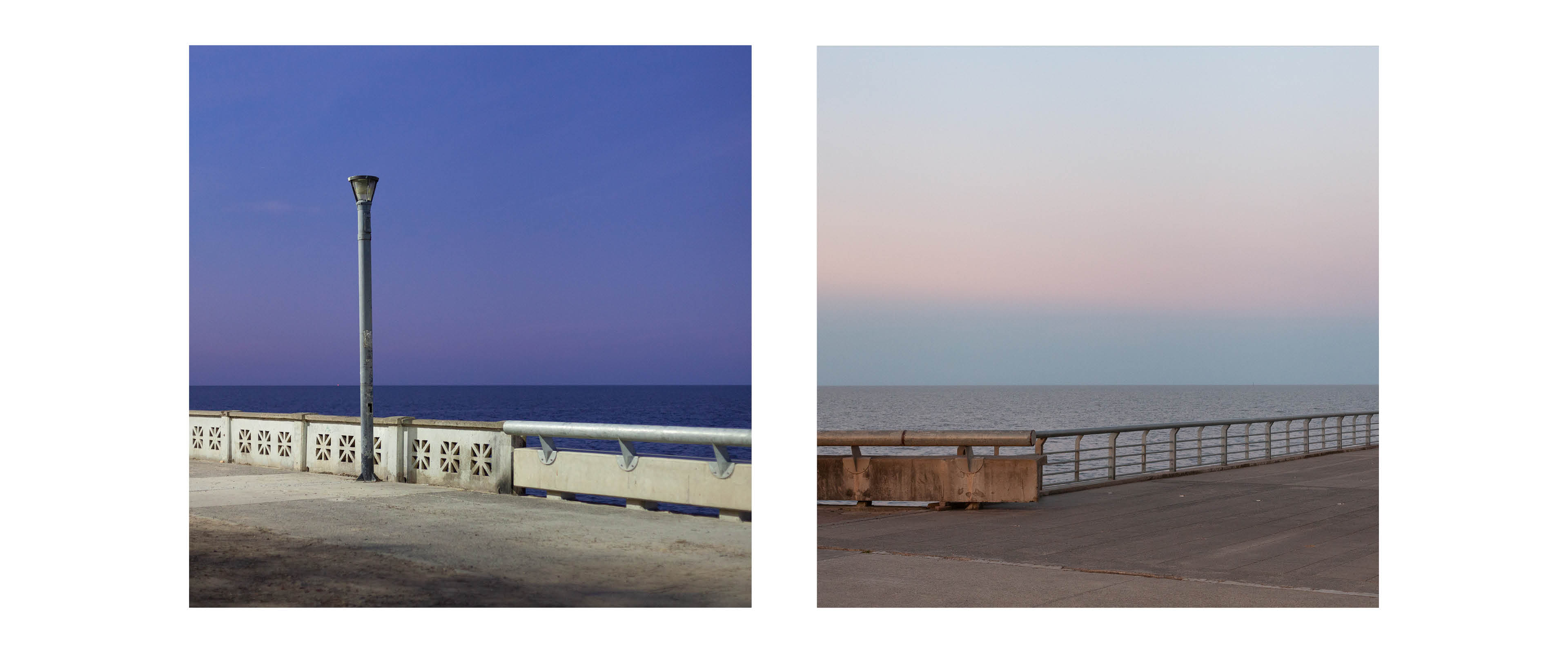
There are three types of railings according to their construction models. The distinction between them lies in their capacity to allow visibility through them—in other words, in how they enable different interactions with the landscape by either blocking or revealing the horizon. Concrete railings have a minimum width of 40 cm. At the columns, they widen and flatten. They are used to lean on, sit on, or to place fishing gear and fish. Their color resembles the brown river, yet the contrast between the stone’s stability and the water’s instability makes them appear in different shades throughout the day. For someone sitting in a chair or a child walking by, the railing becomes a nearby horizon: it hides the immediate view of the river, leaving only a strip of distant water and sky above. They can even bounce a ball.
Then there are the metal railings, with thinner sections. Up close and head-on, it is possible to see the river through them. The galvanized steel reflects the colors of the sky and water. Whether sitting or walking, the horizon becomes the opposite shore—one that rarely appears. Lastly, there are models that combine both materials.
He was born on August 24, 1997, in Buenos Aires, Argentina. He is an architect, photographer, and editor. He completed his university studies at the Faculty of Architecture of Buenos Aires. From 2019 to 2023, he trained at Javier Agustín Rojas’s studio. Together with Roberto Lombardi, he coordinated a research project on the organization of transparency in the works of Mario Roberto Álvarez & Associates in Buenos Aires’ City district. He is currently a lecturer in Architectural History at the Aboy Chair, FADU, UBA. He works as an editor at RDR Arquitectos, as a construction director alongside Fernando Carro, and develops his practice as an independent architectural photographer.
www.instagram.com/ivanbreyter