The city over the water by Fernando Shapochnik | by Fernando Schapochnik
...



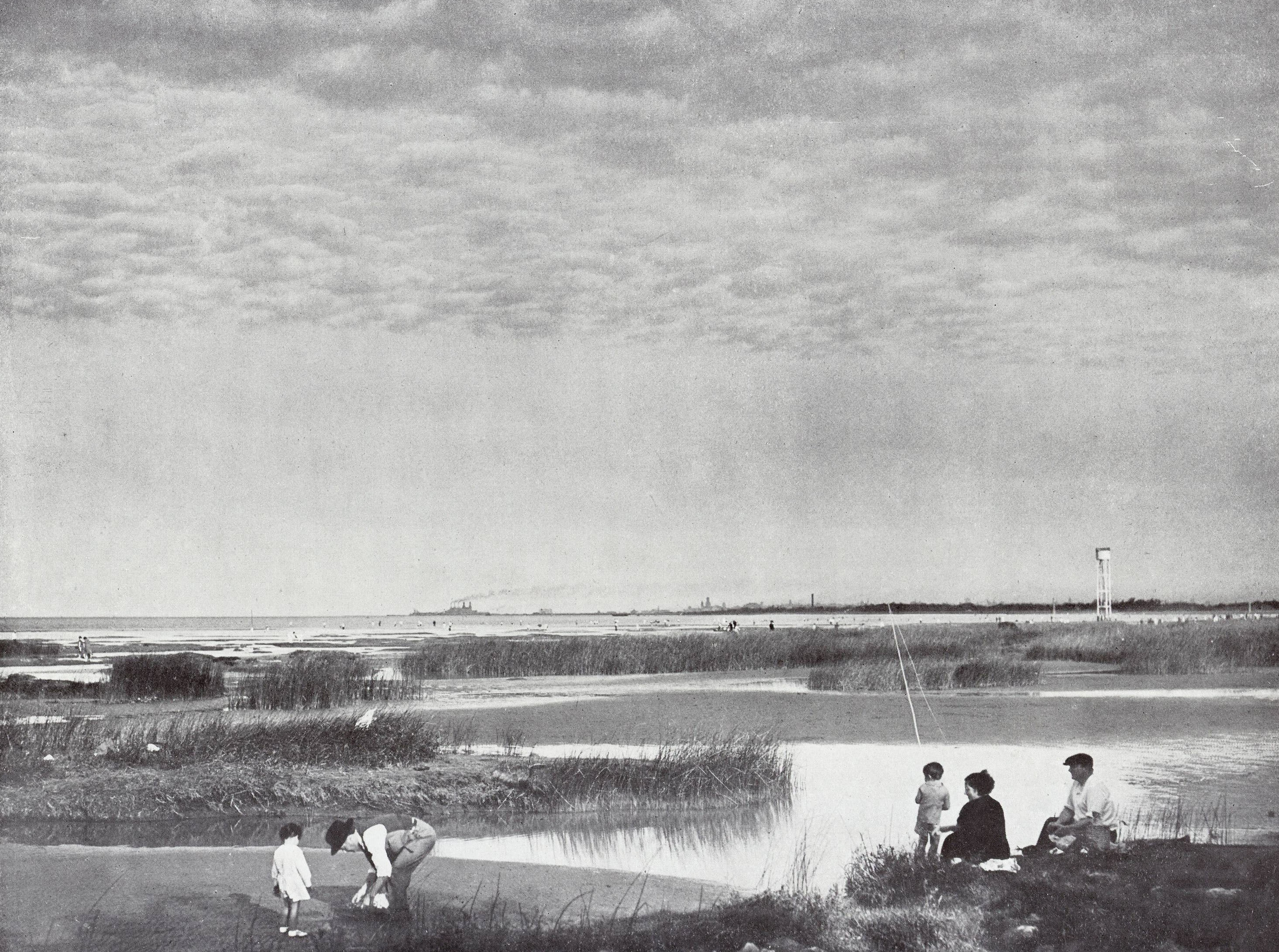
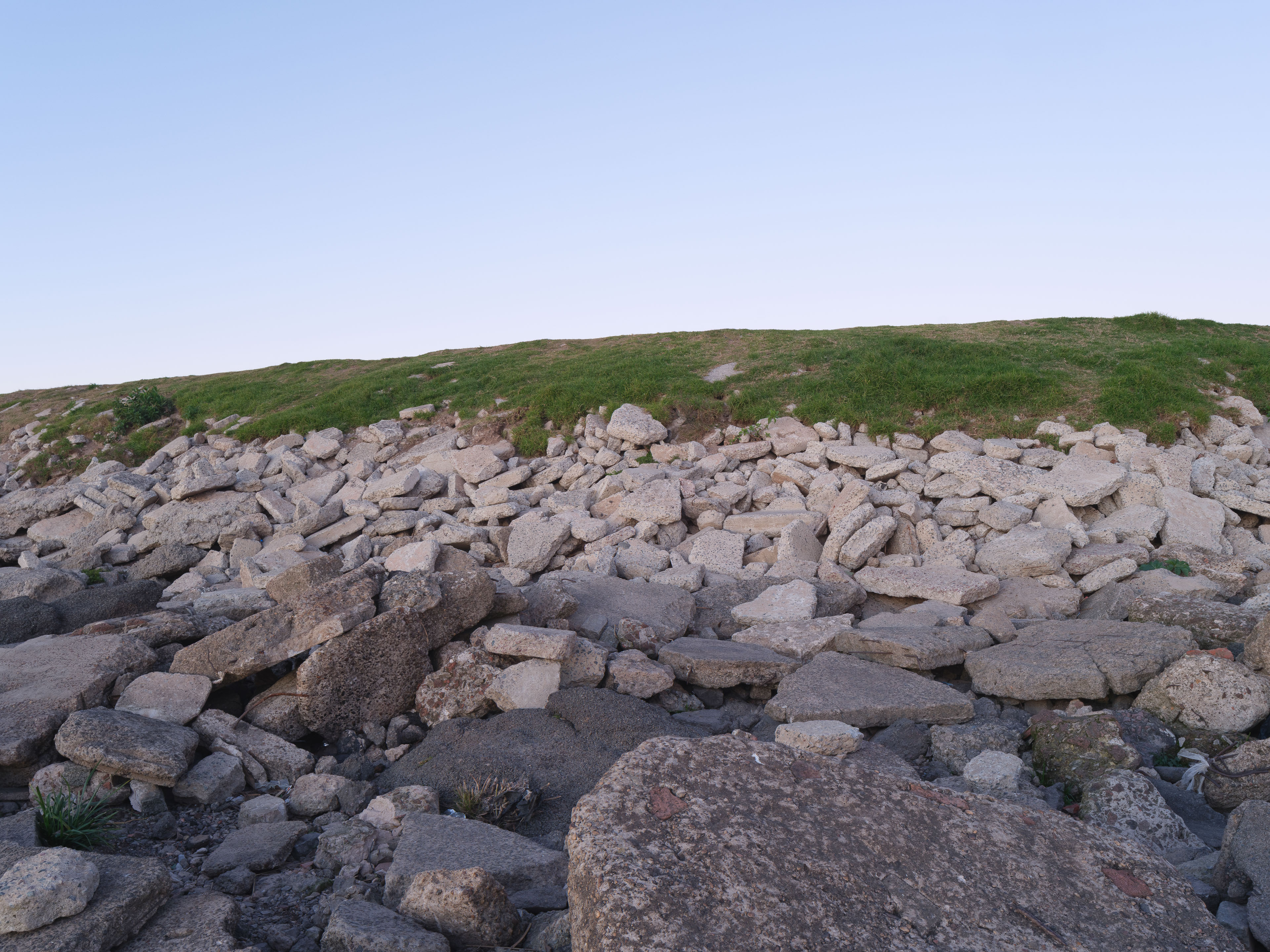
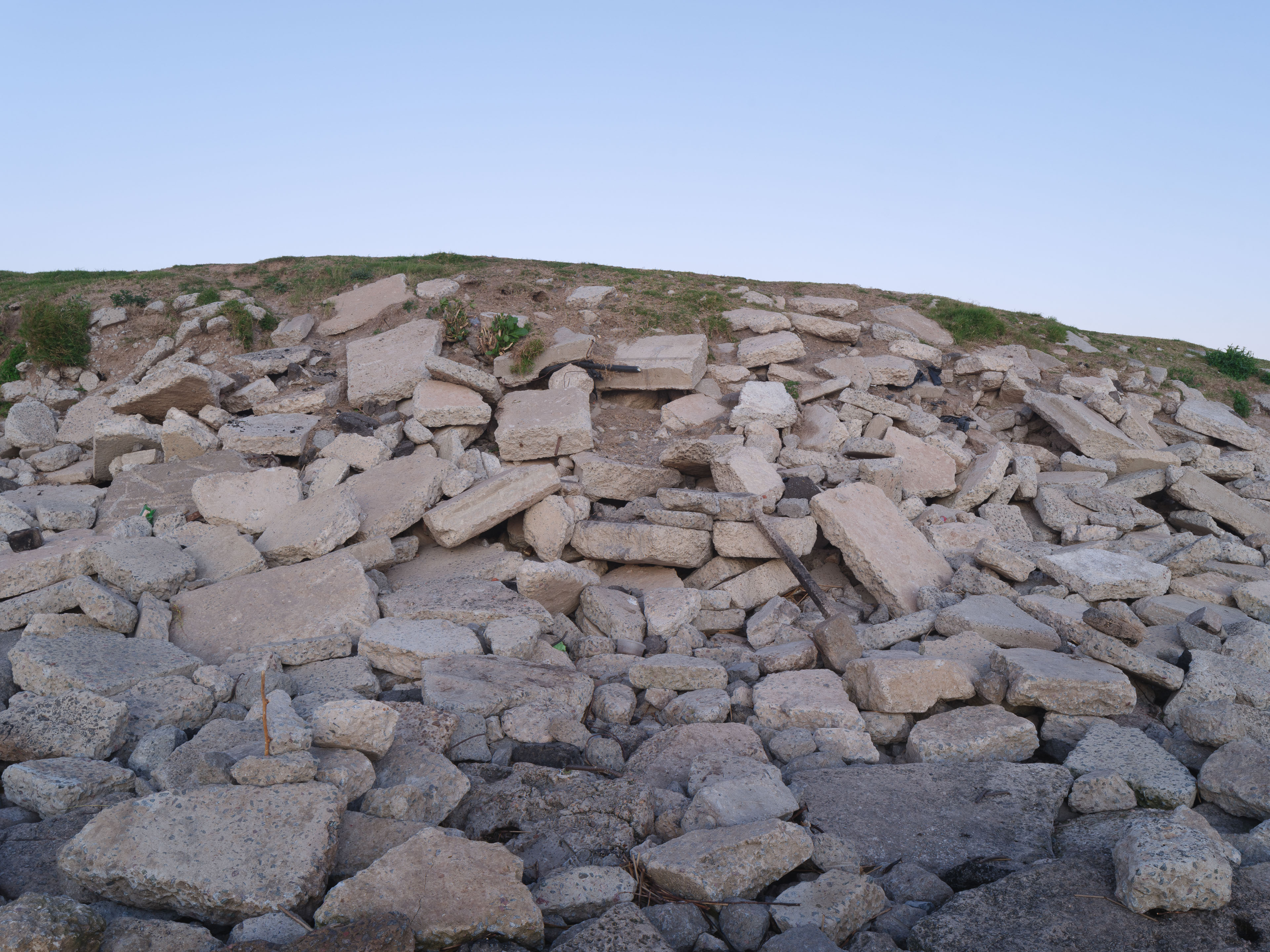
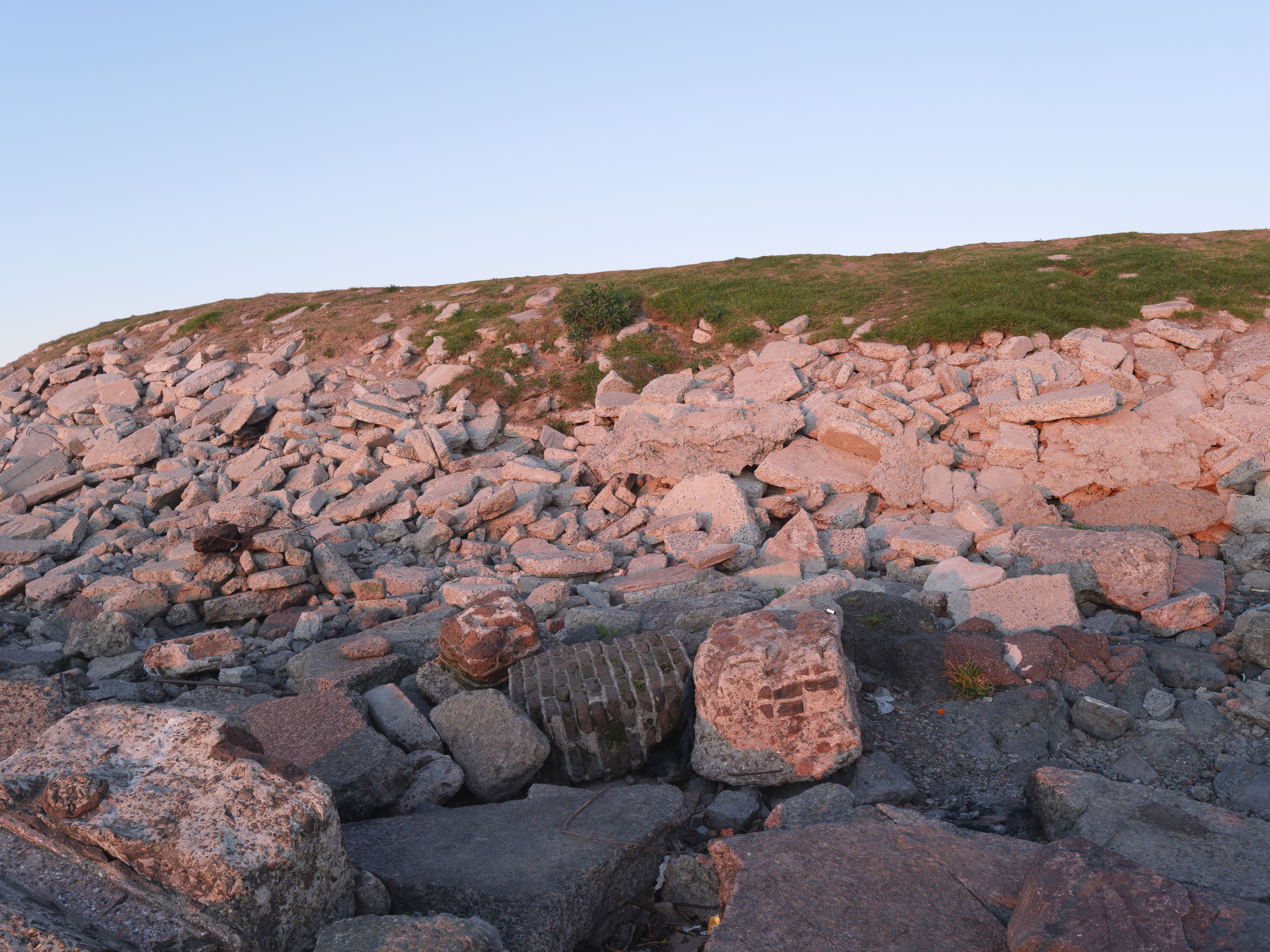
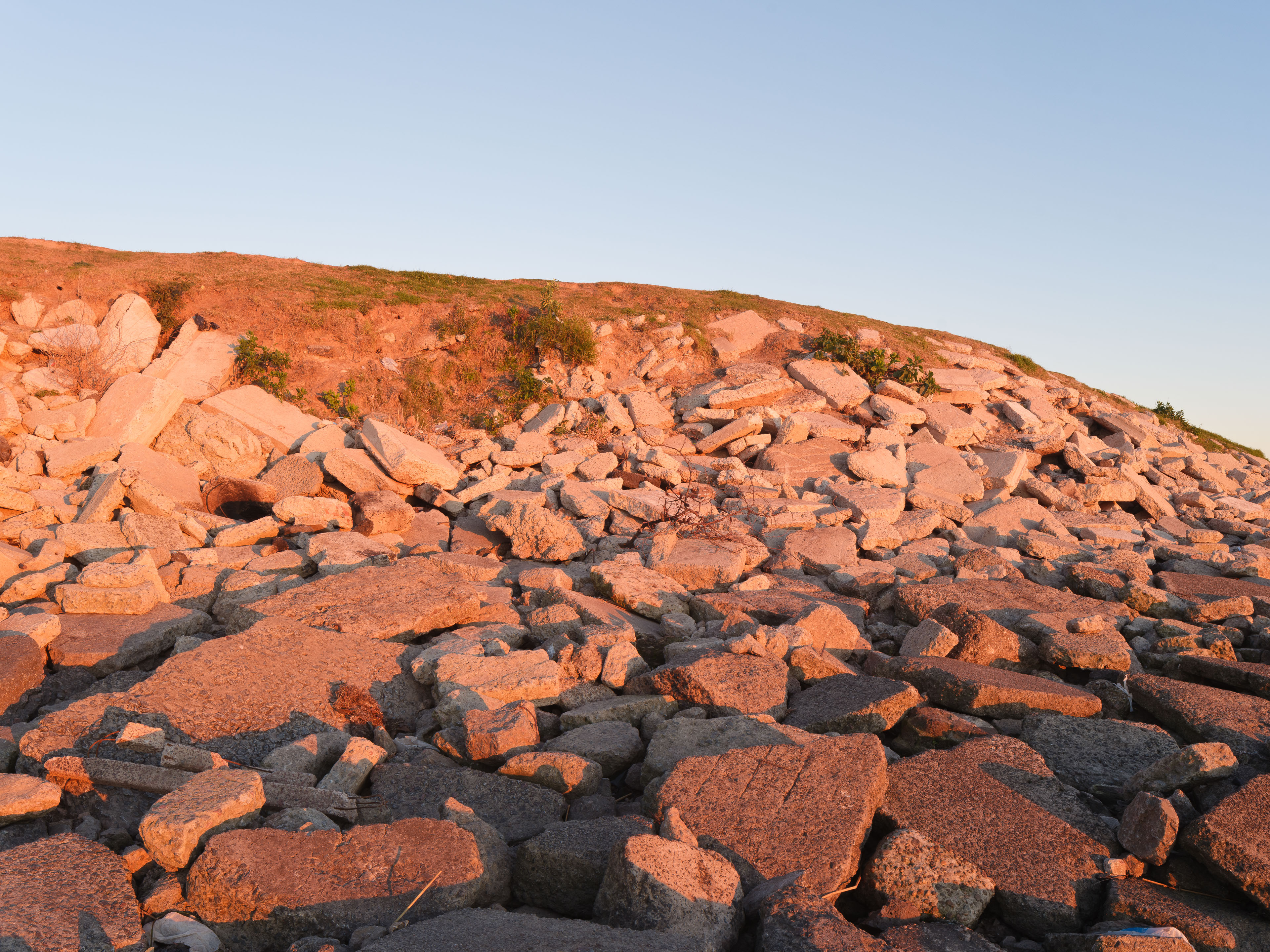
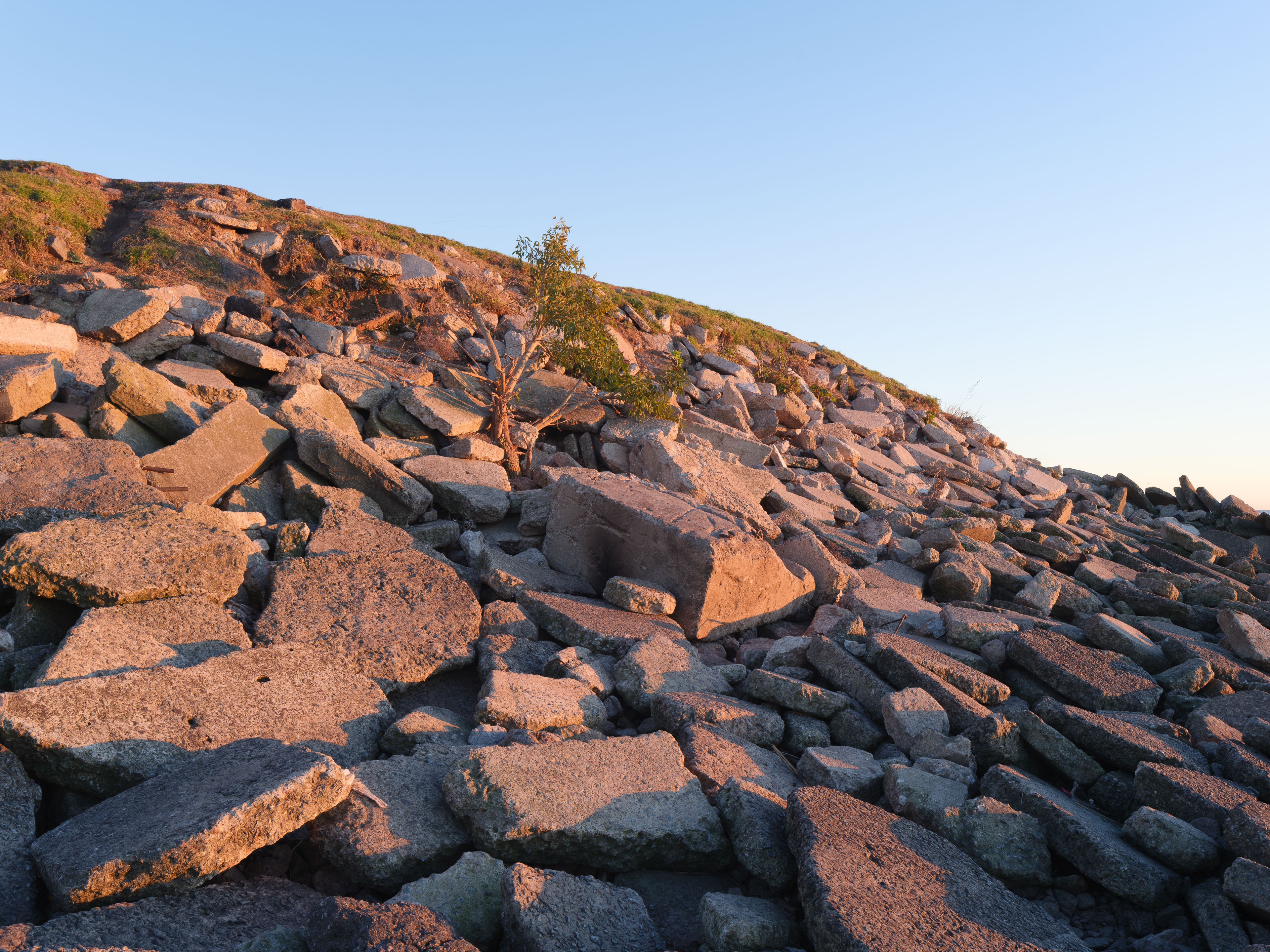
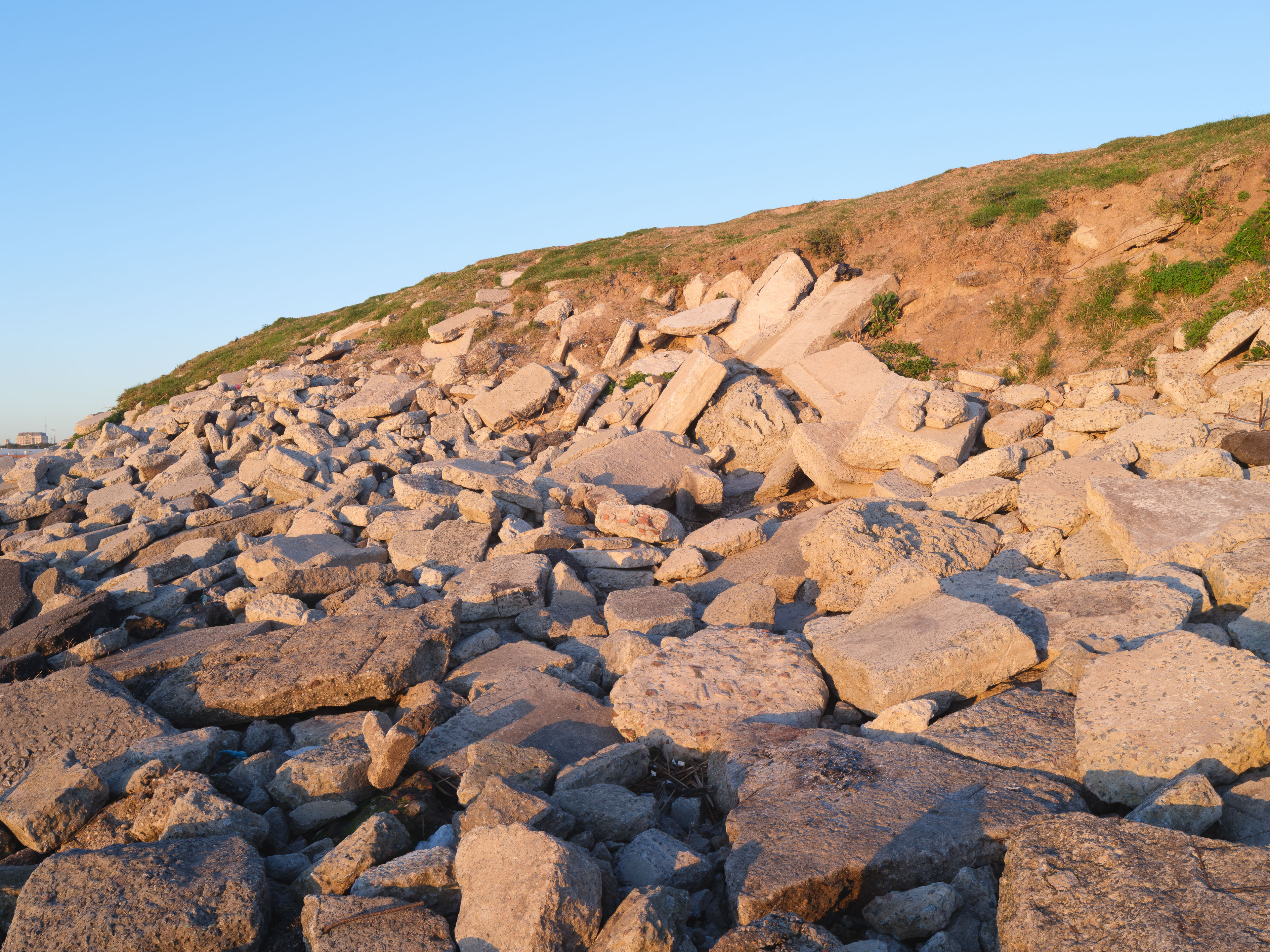
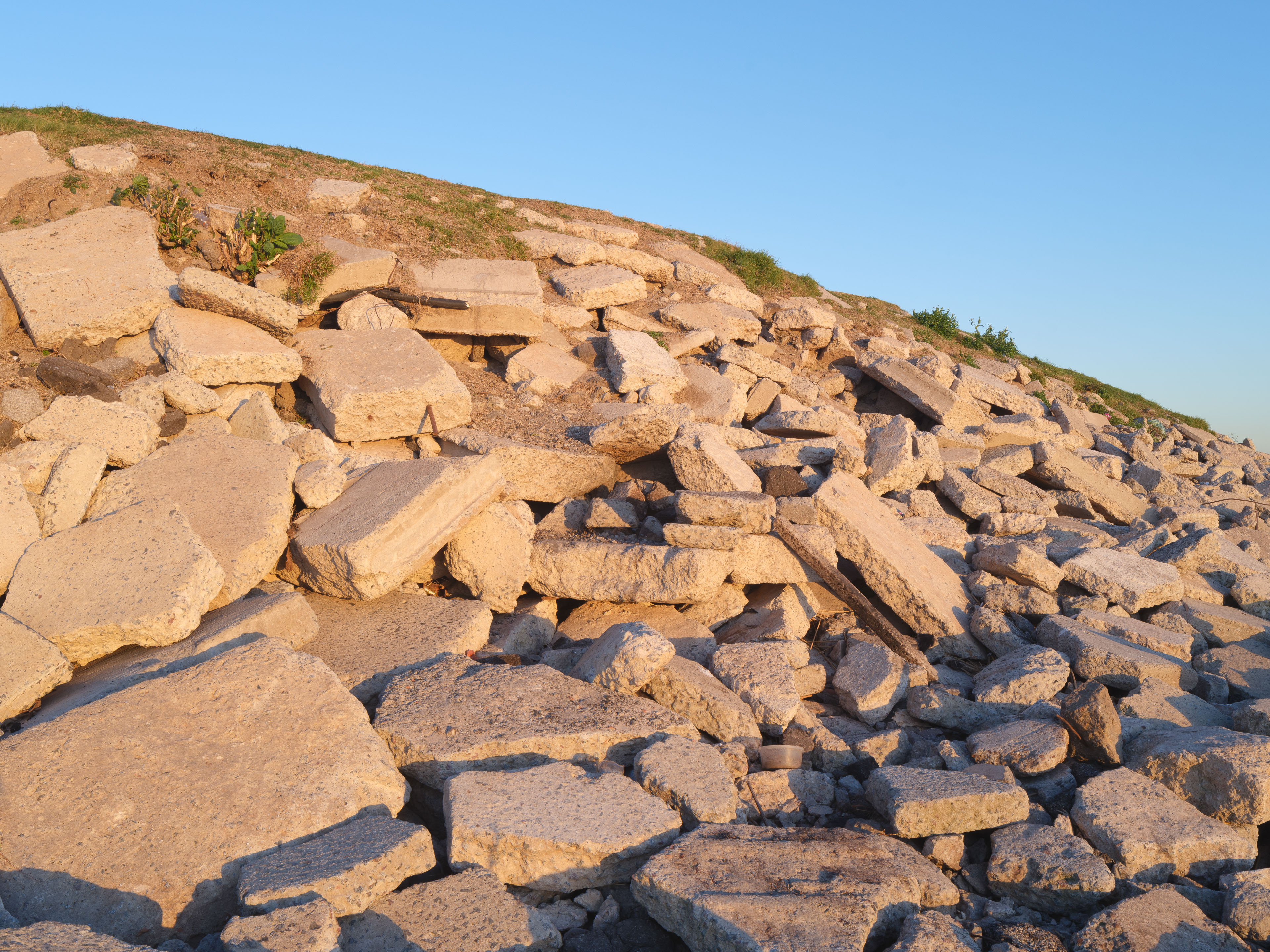
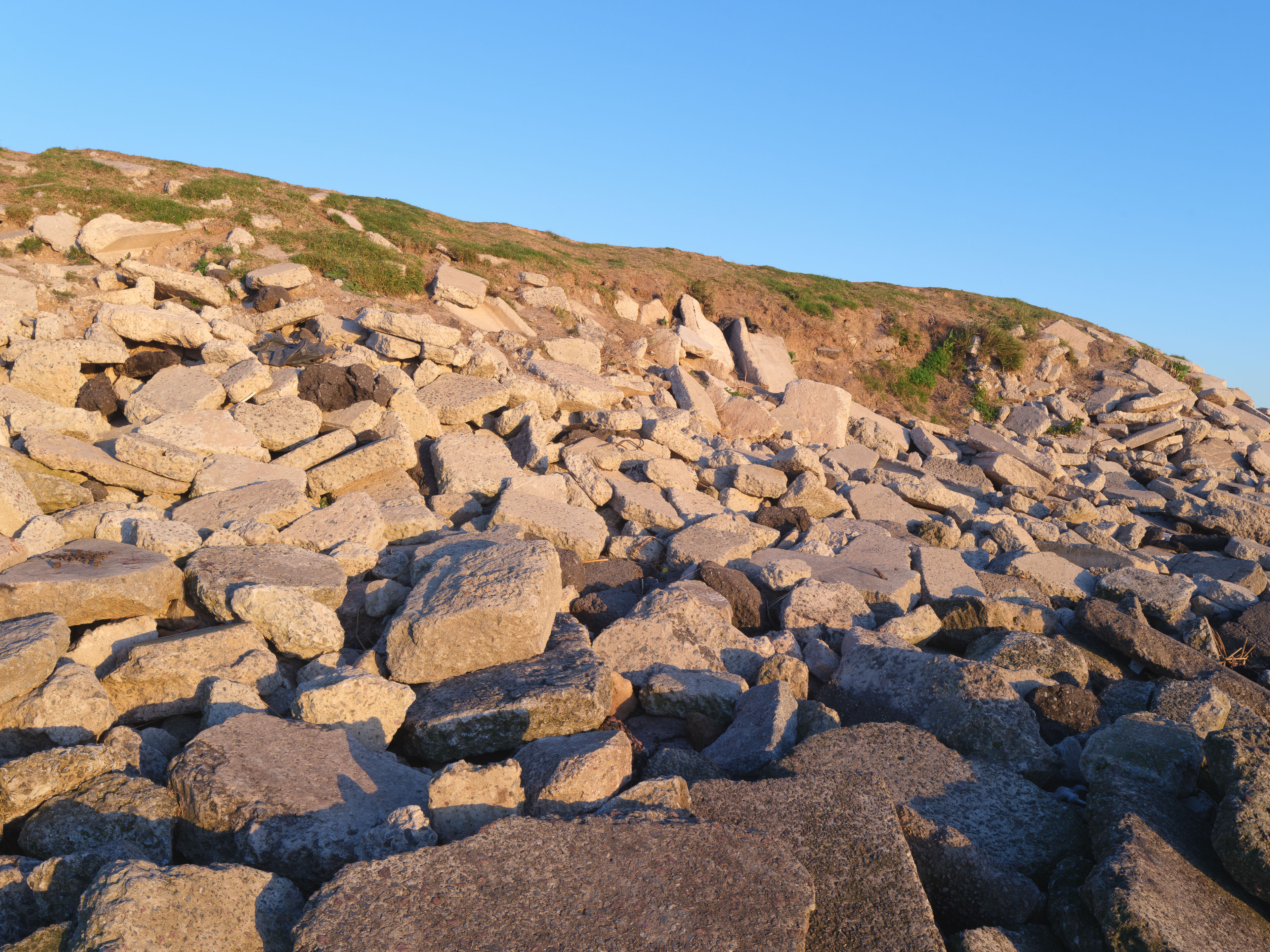
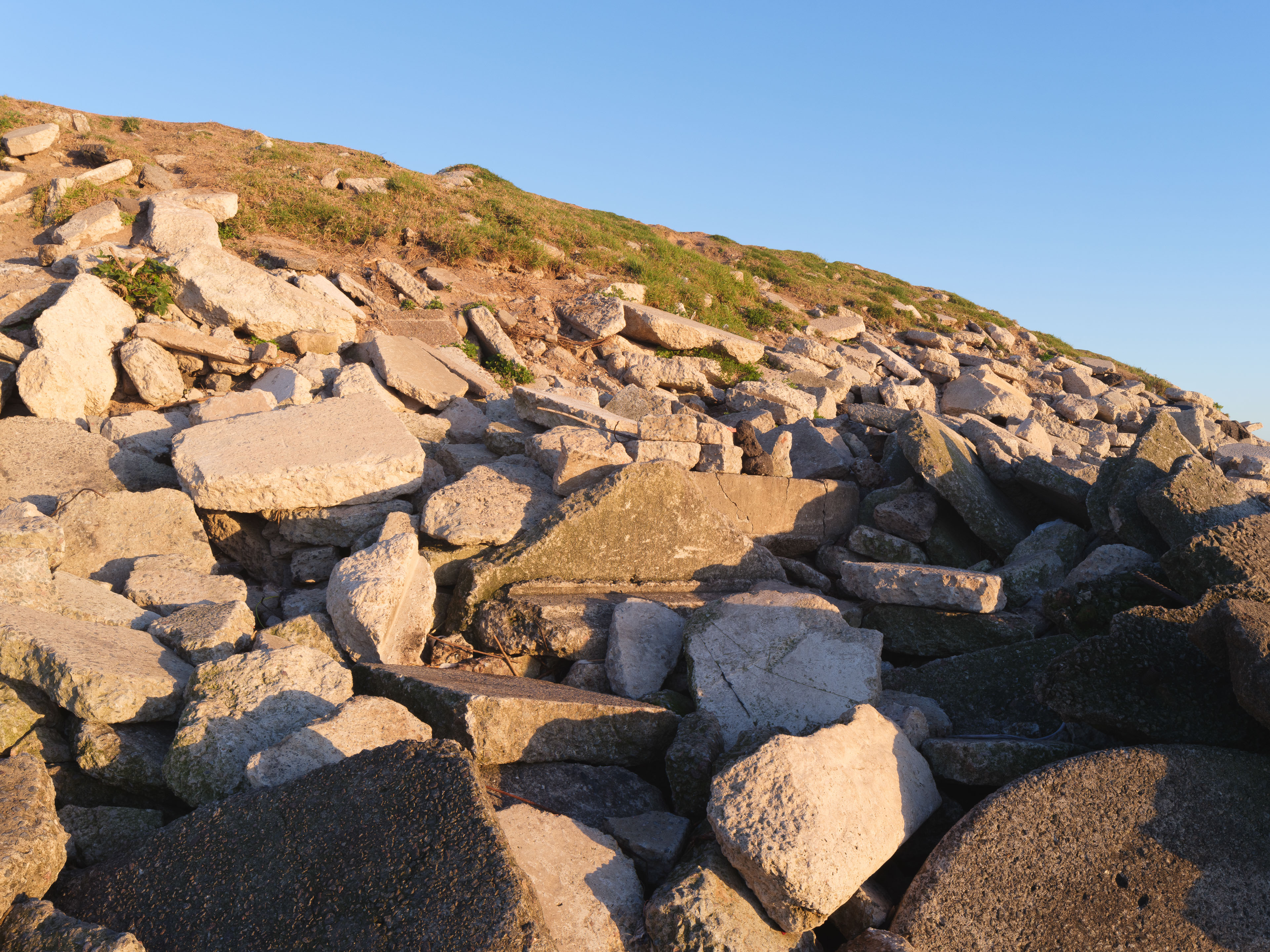
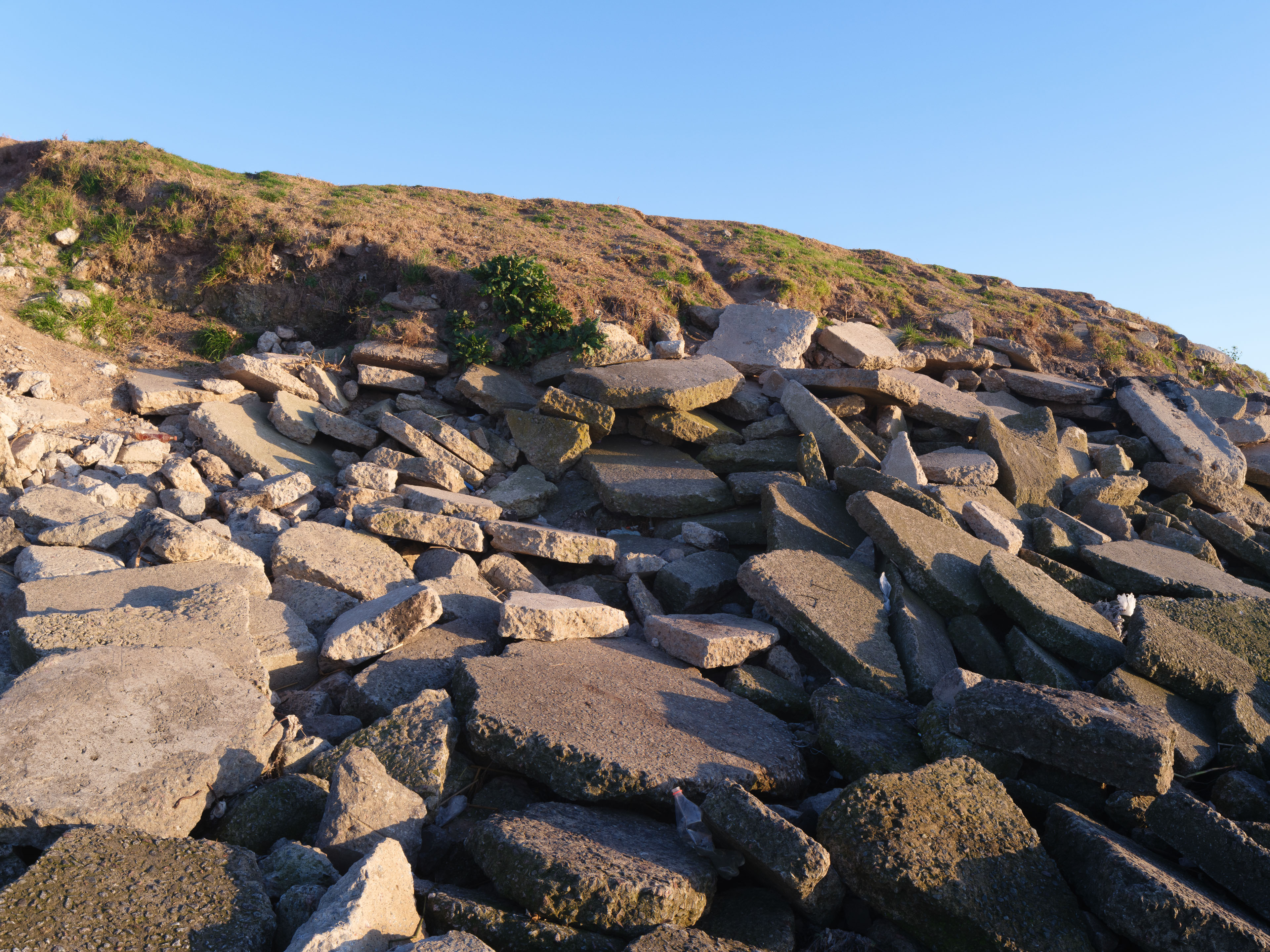
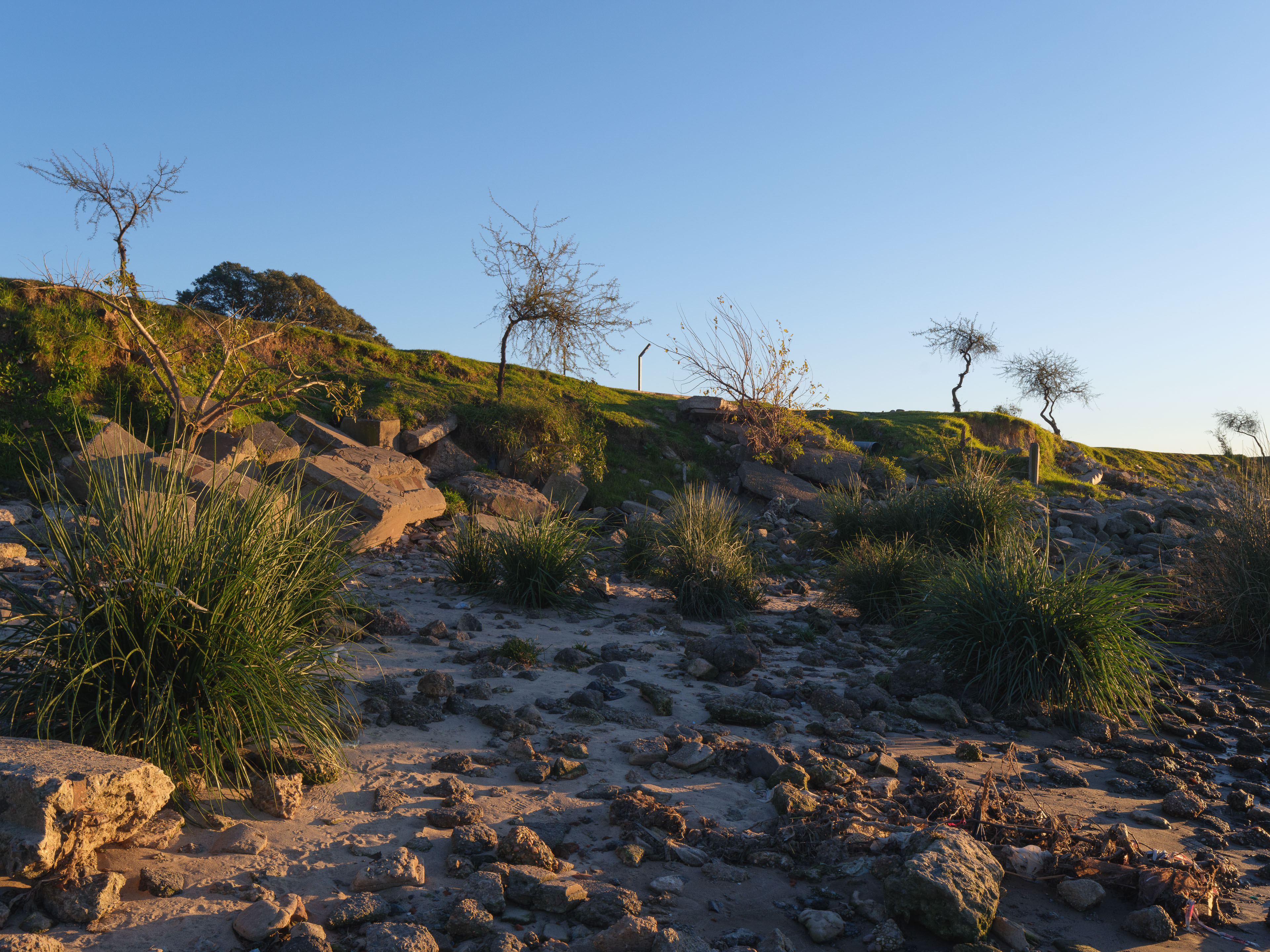
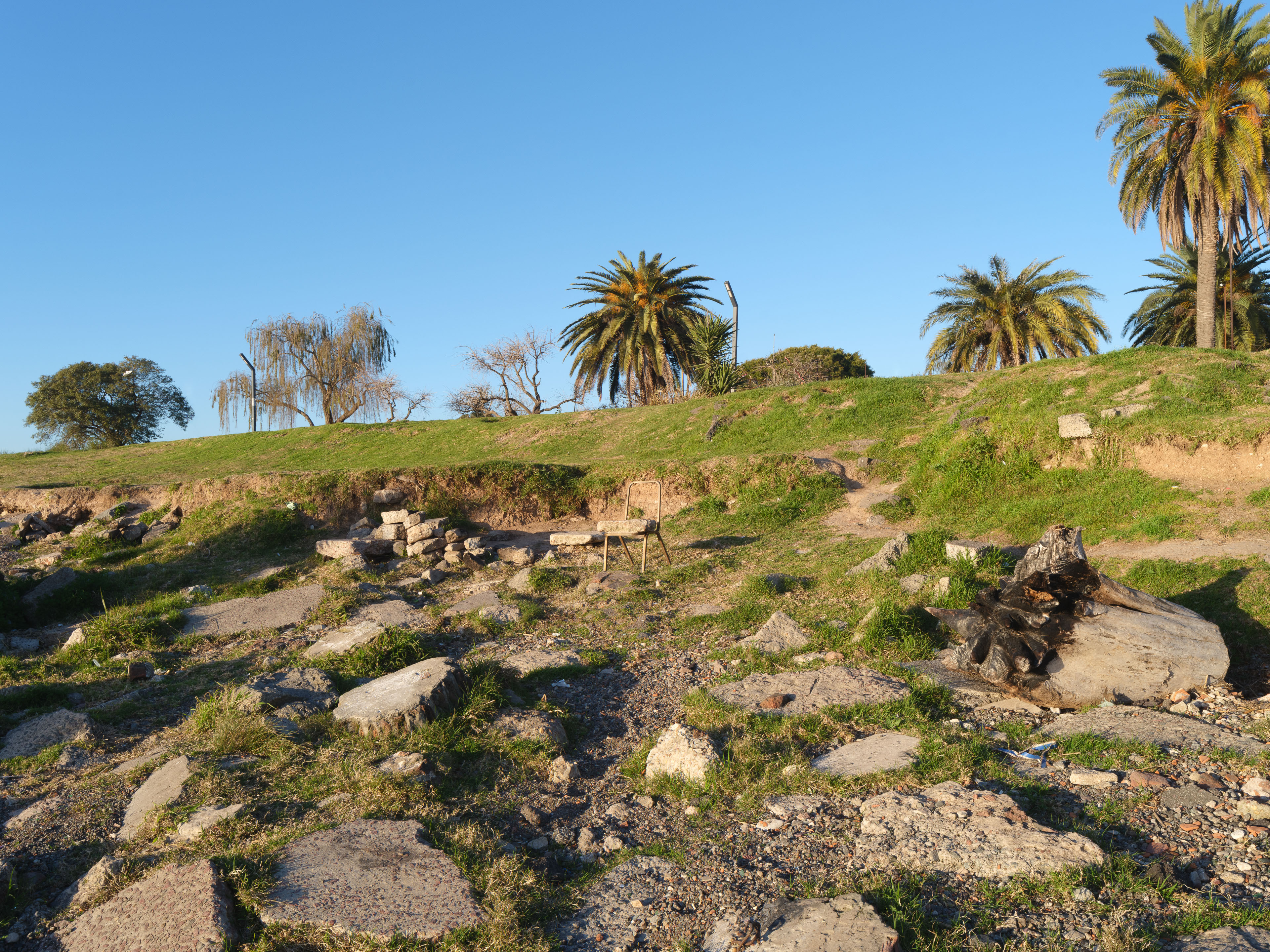
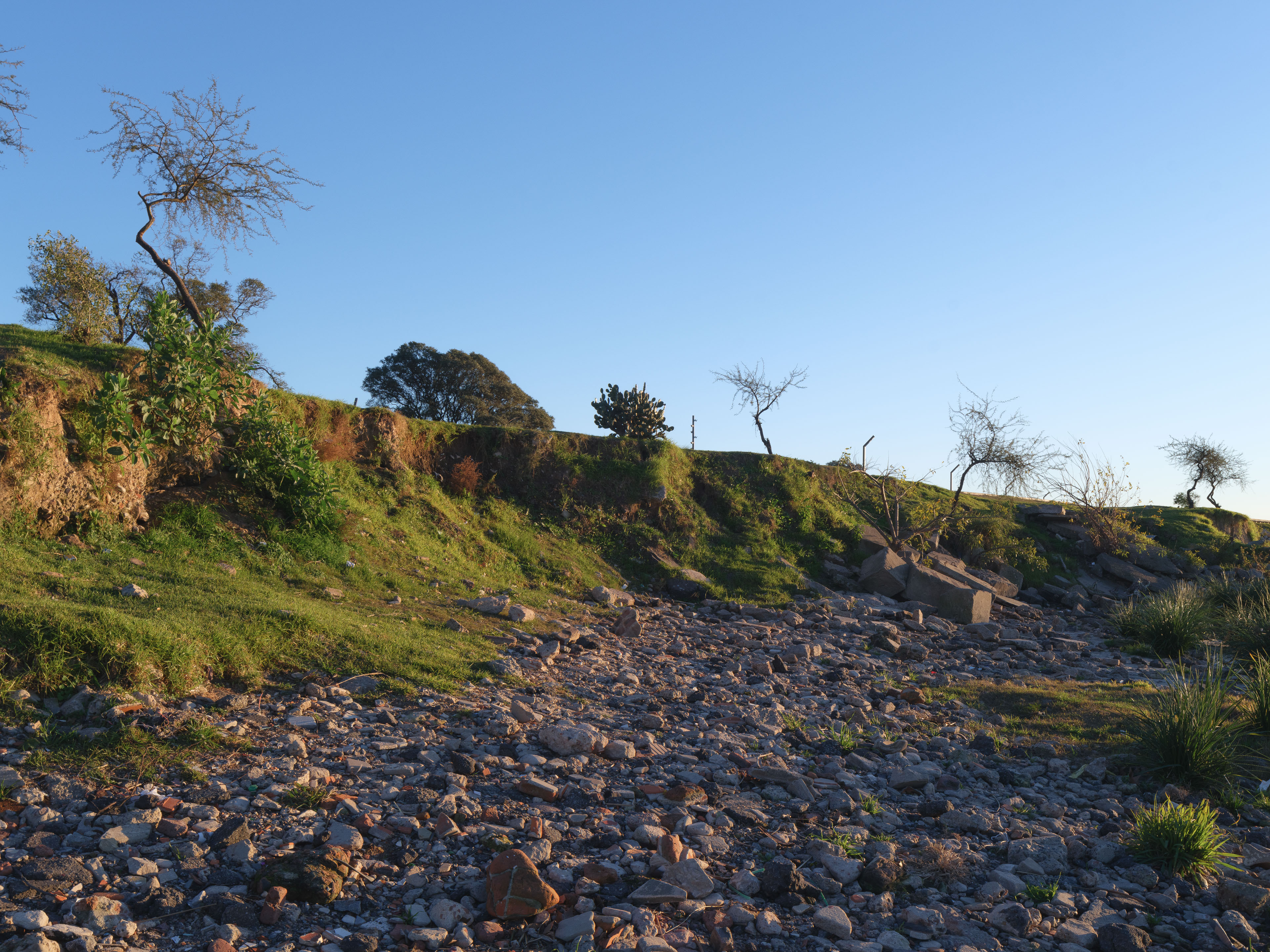
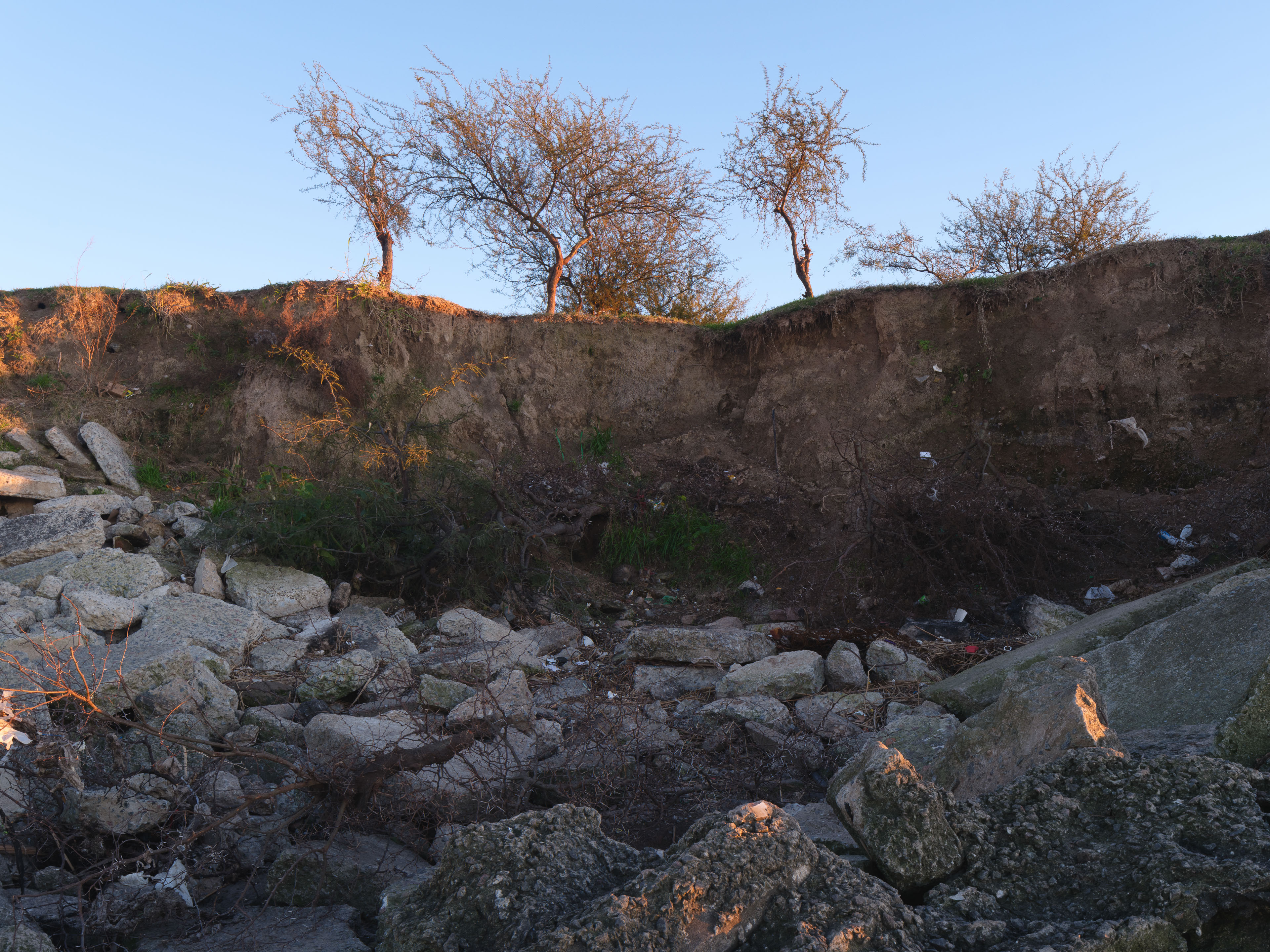
Dawn breaks and my eyes are open. Today the river is smooth; other days it’s wrinkled. With my feet in the water, I turn around. Behind me lies the symmetrical landscape formed by the river and the sky. Both are already changing color, leaving behind their nighttime embrace. In front of me lies a beach of rubble. This place, recently open to the public, is part of the city’s ongoing advance upon the water. No longer the natural hill that defines the porteño territory, but a series of small, uneven steps formed by that strange man-made kind of stone that is rubble. This ground apparently makes up the four-meter difference between the standard level of urban development and sea level —the level of the river. Here the noise of the city disappears, and all you can hear is the murmur of the water.
As the day begins, I set out to explore this territory, again and again. The process is always the same. I simply watch the sun rise and look for the objects it lights up. A strange mix of geology, botany, and archaeology would be needed to define this landscape. How do you make sense of the moss growing on something that used to be a wall? Though it’s hard to find your bearings in this sea of shameful stones, a few stand out: there are the asphalt ones, black stains that look like they came from the eruption of some distant volcano; there are the few brick ones, rounded by the passage of time, without a doubt the most singular; and there are also chunks of concrete in which you can find some meaning —a cornice, stripped of all dignity, or a pillar that founds nothing.
I’m usually not alone on these walks. The fishermen almost always keep me company. Many come from the nearby slum; the opening of this place has been well received by its neighbors. They used to have to walk a long way over the rubble to get here, and the wall of the bars that stood behind it made it a more unsafe place. Today many come with their families to spend the day, to watch the sunset.
At dawn it’s a different crowd. The fishermen hide from the cold among the stones. There’s one —a building superintendent by day— who tells me his story. He was born in Chaco and used to fish there with his father. Coming back here lets him reconnect with that place, both in time and in space. Looking at the river, he explains it to me very simply:
it’s the same water.
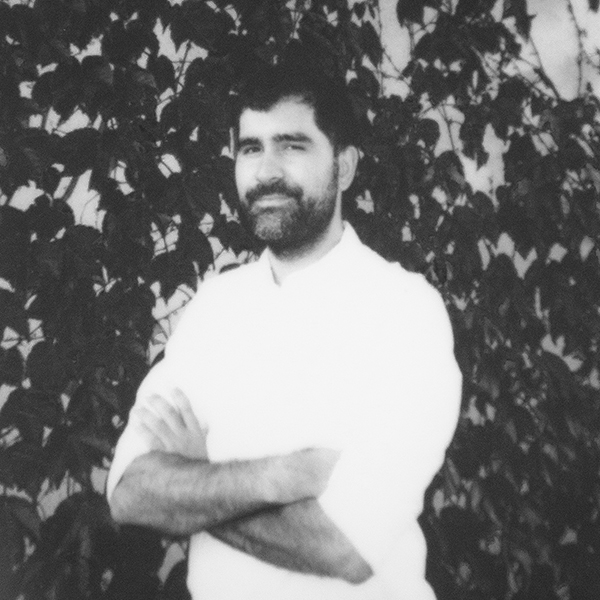
He is an architect, editor, and architectural photographer. Since 2017 he has developed his independent photography practice, collaborating with architects, artists, archives, and museums. He has served as Director of the Center for the Study of Contemporary Architecture at the School of Architecture and Urban Studies of Universidad Torcuato Di Tella since 2022. He has written on contemporary architecture for PLOT (Argentina), L'Architecture d'Aujourd'hui (France), and 2G (Spain), and his images appear regularly in various international publications. In 2024 he published his first book, Aire y luz (paripé books), a visual essay on the normalization of the built environment in Buenos Aires.
Web