Celebrations | by BANDA
...



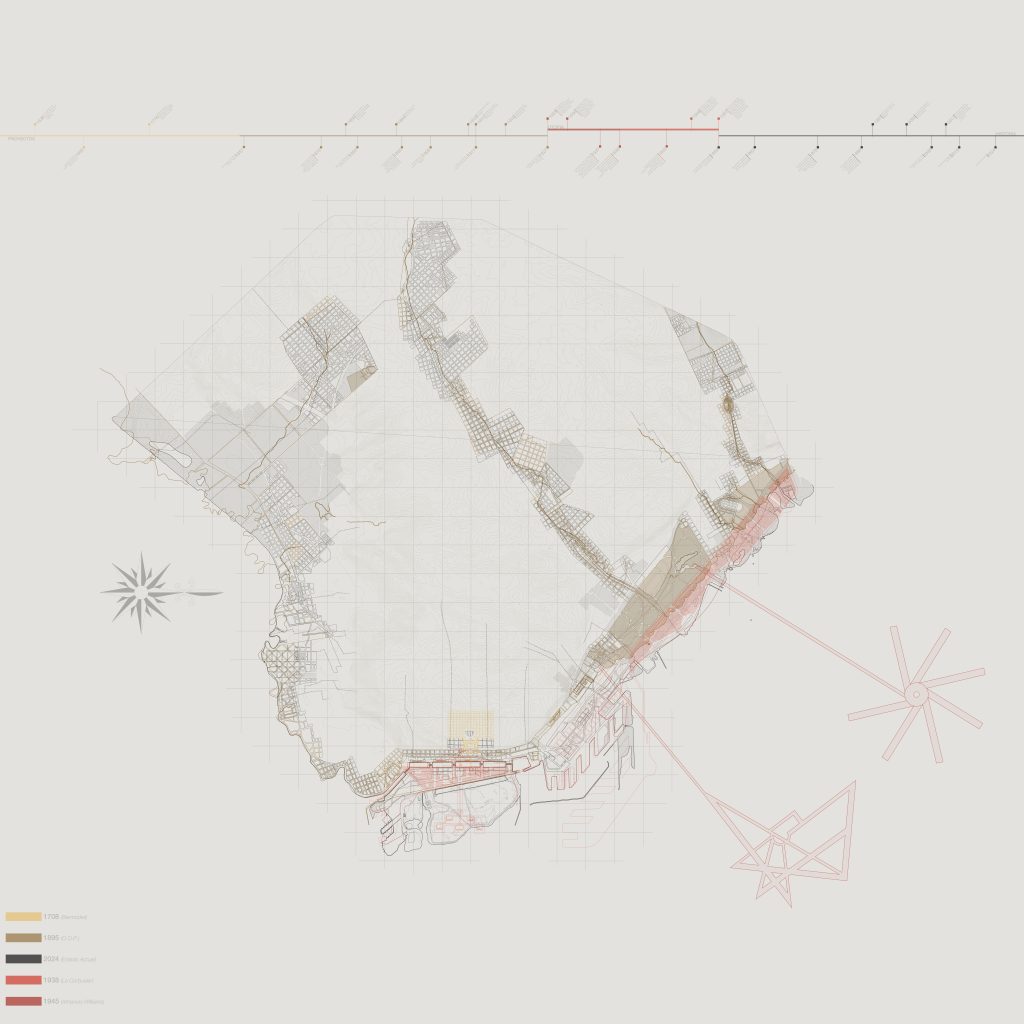
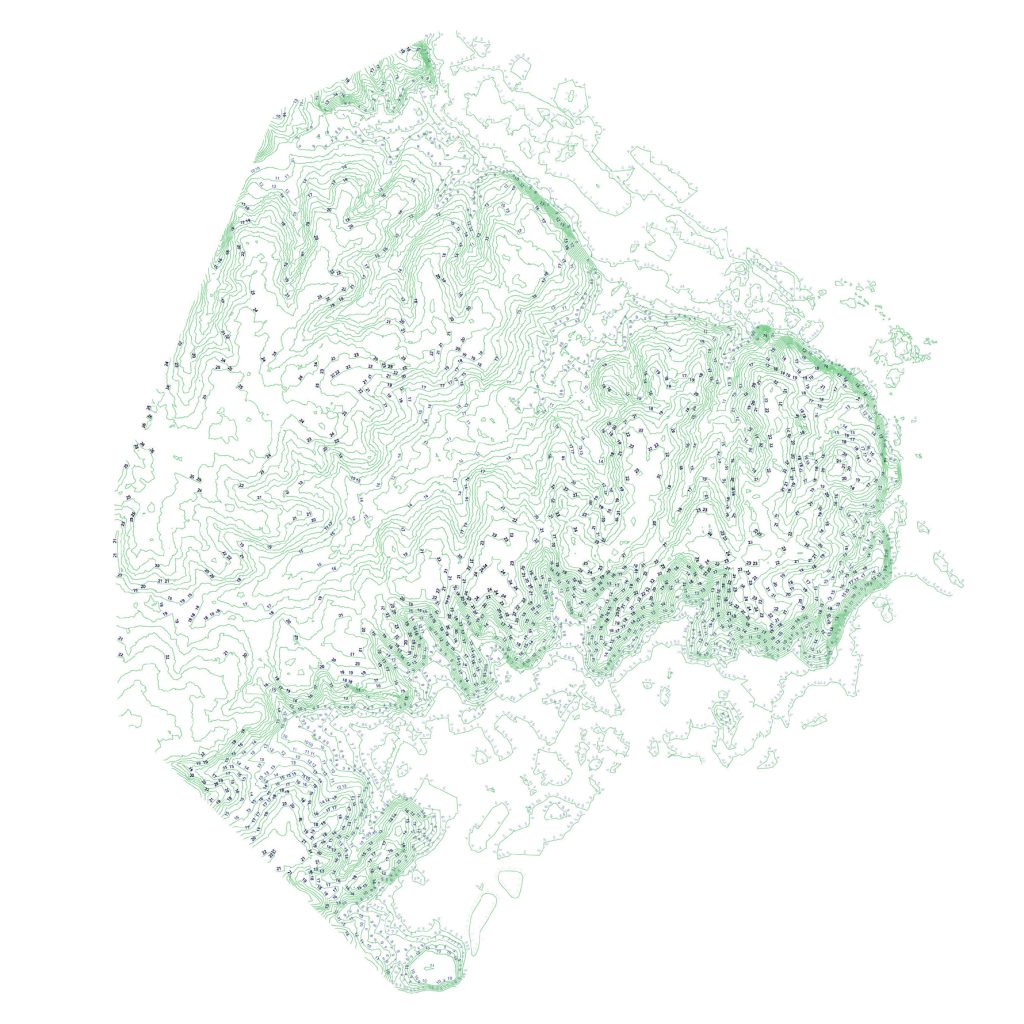
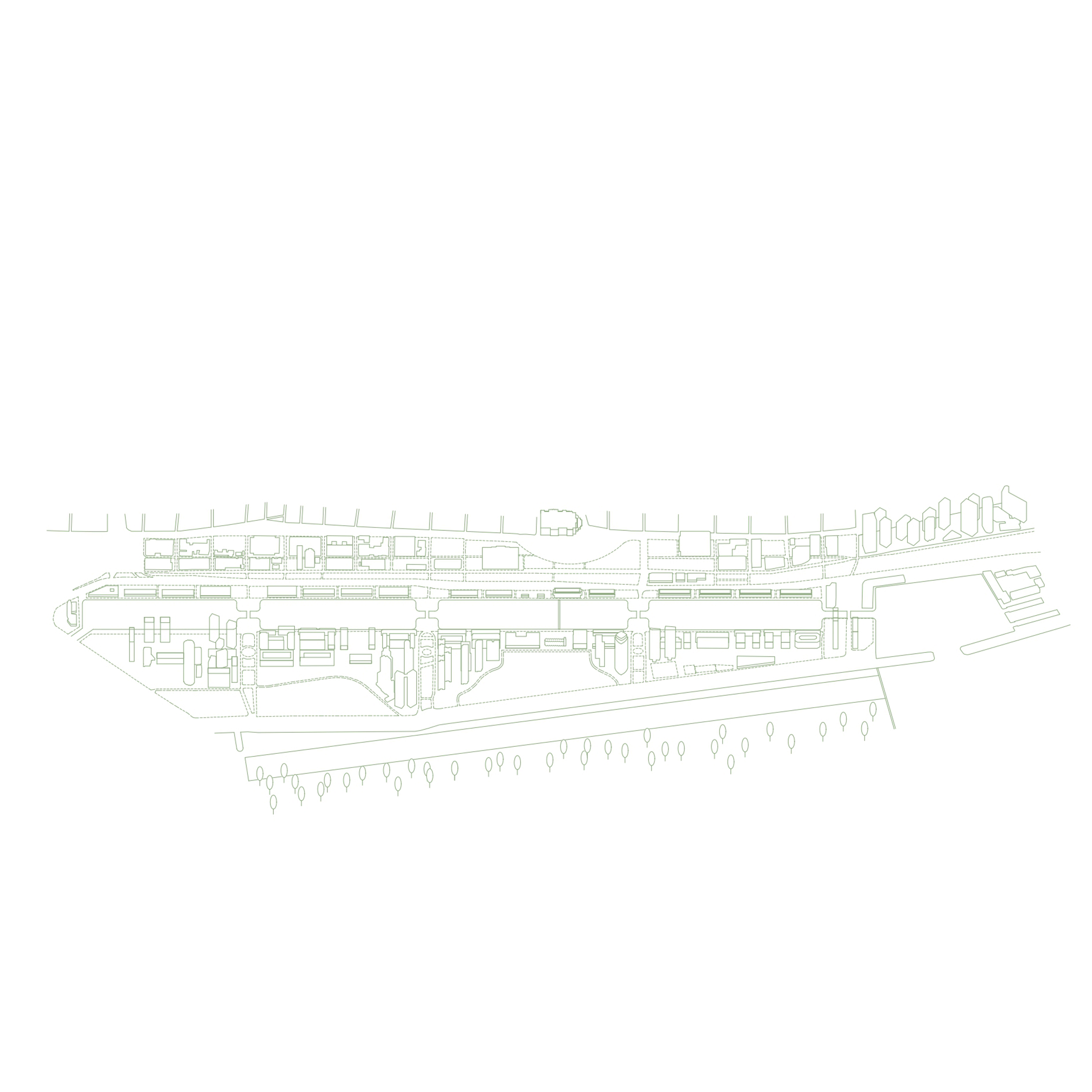
Cities are not built in a single moment. Every transformation, every new occupation leaves a trace, a mark layered over those that came before, generating a thickness that is not only material but also symbolic. Buenos Aires, with its condition as a port city, has shaped its growth out of that intermittent relationship with the river, where the water has been, at different moments, a frontier, a resource, a barrier, or a surface for expansion. Reading these mutations reveals a city that has constantly renegotiated its edges, artificially expanding its ground, accumulating infrastructure that frames the void, and constructing, with every intervention, a new narrative about itself.
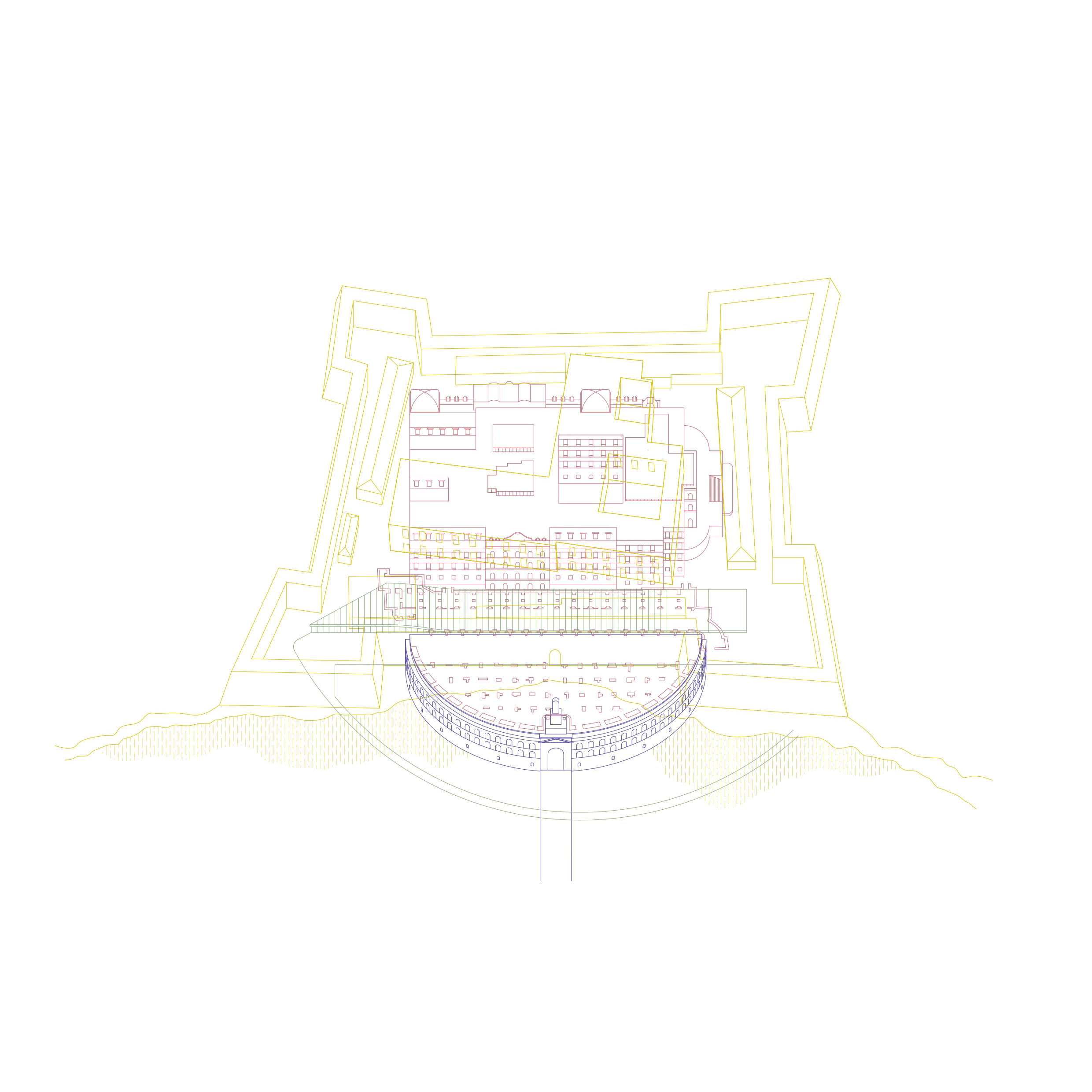
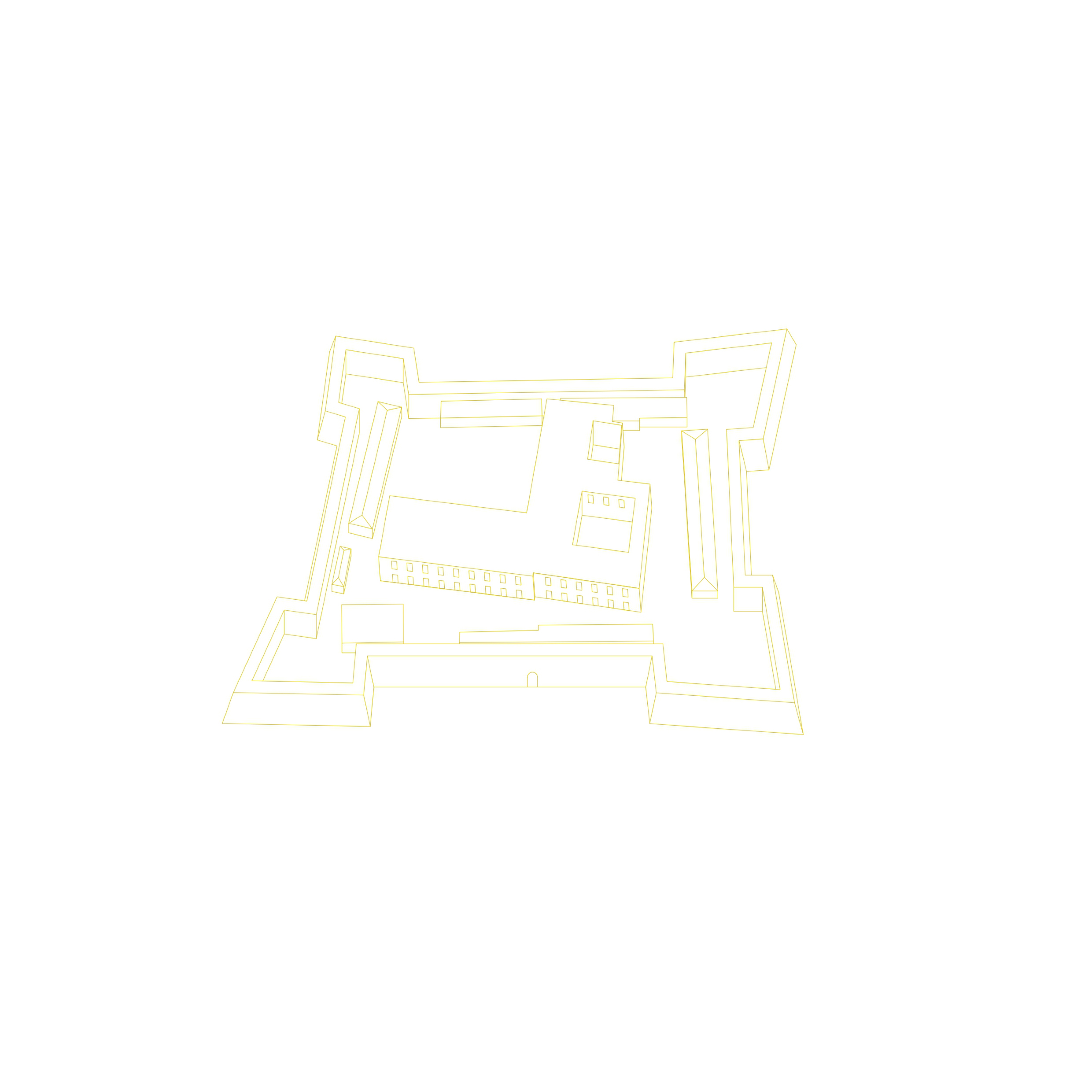
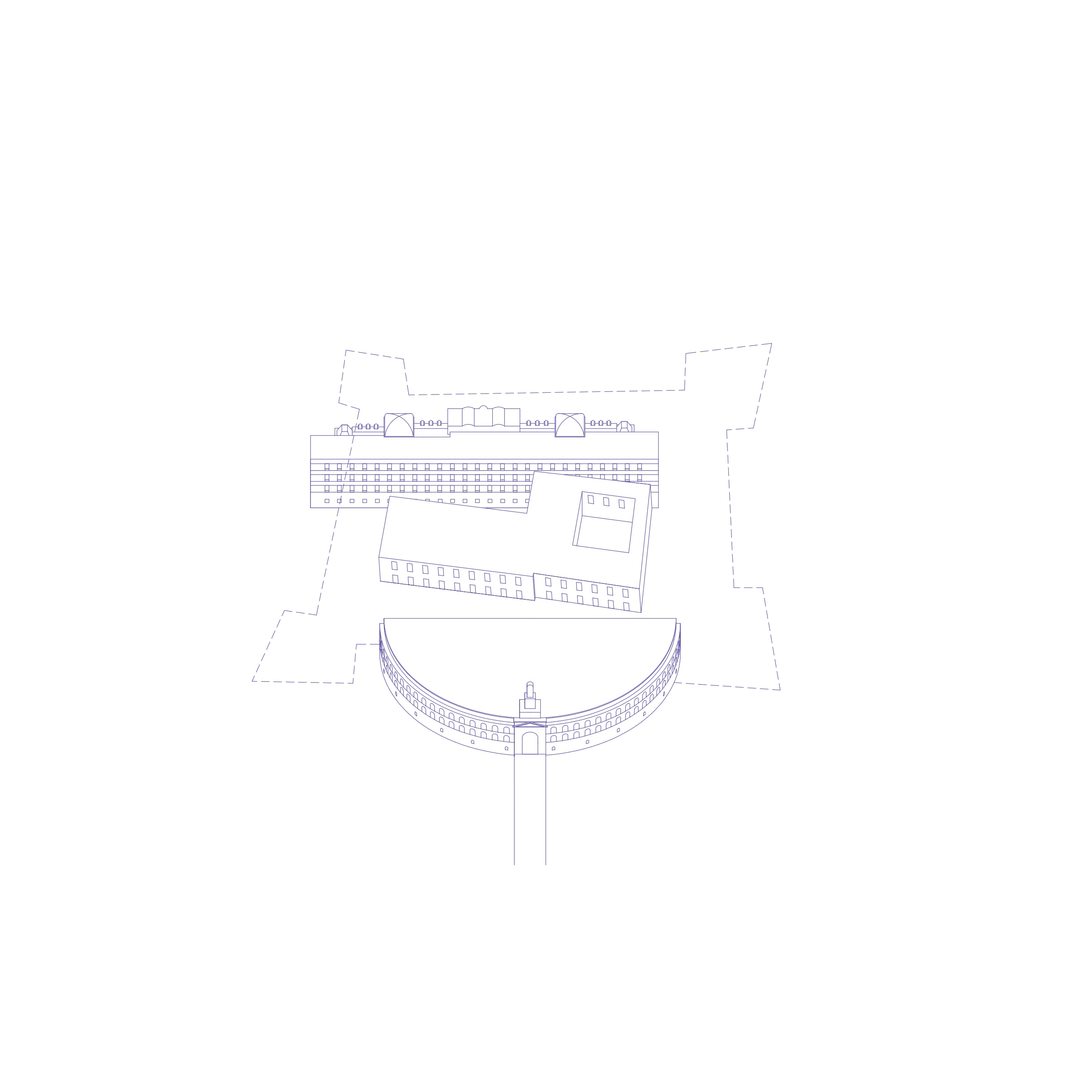
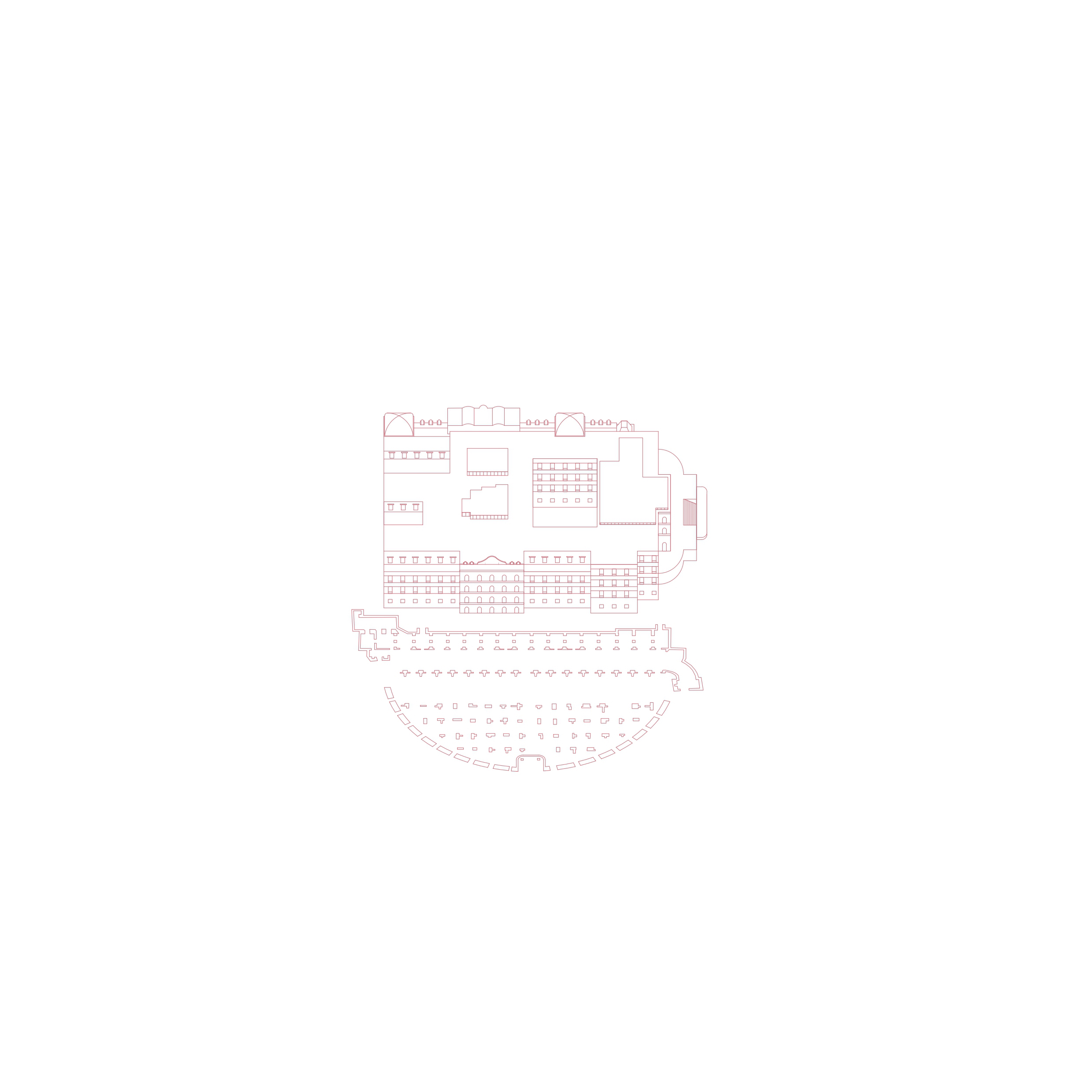
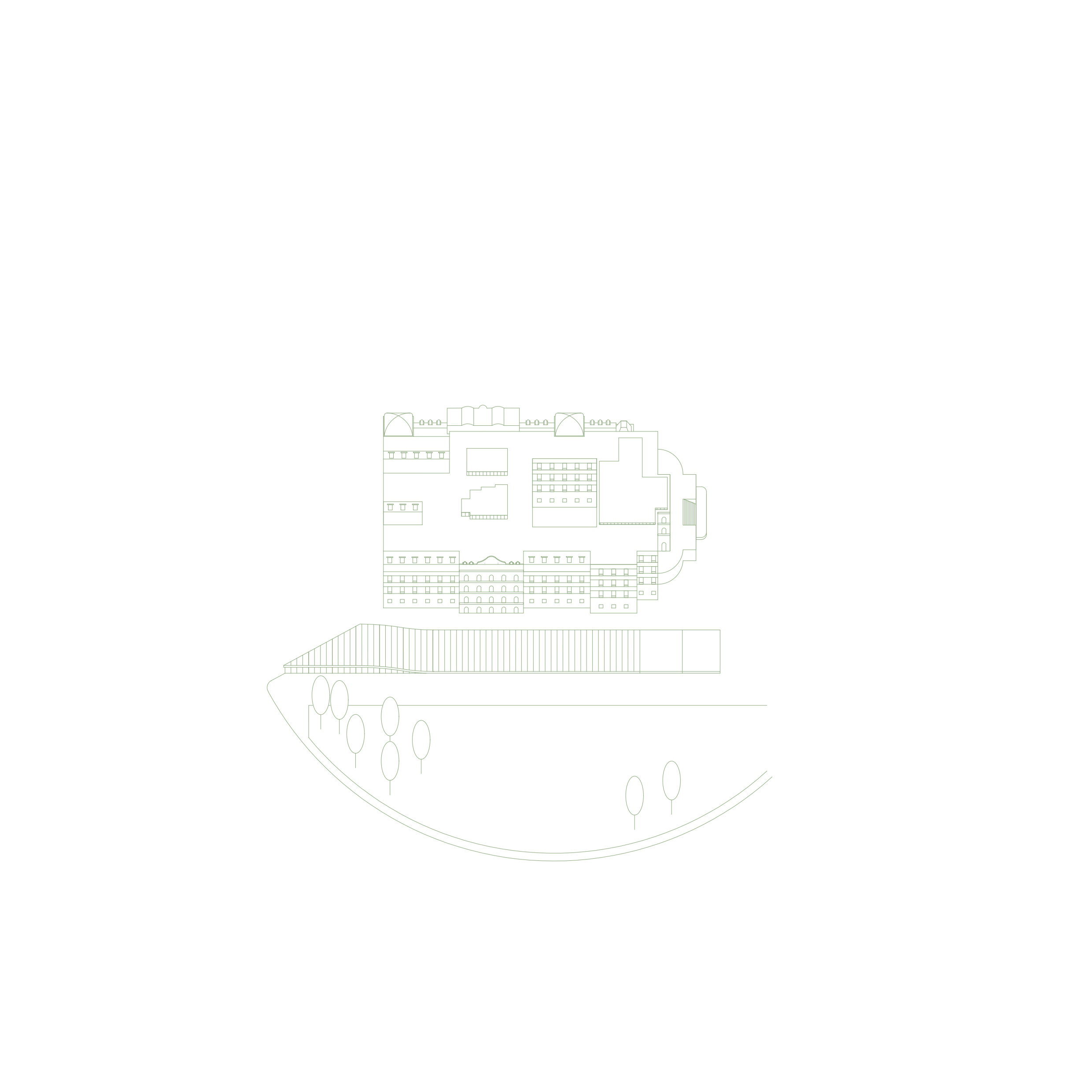
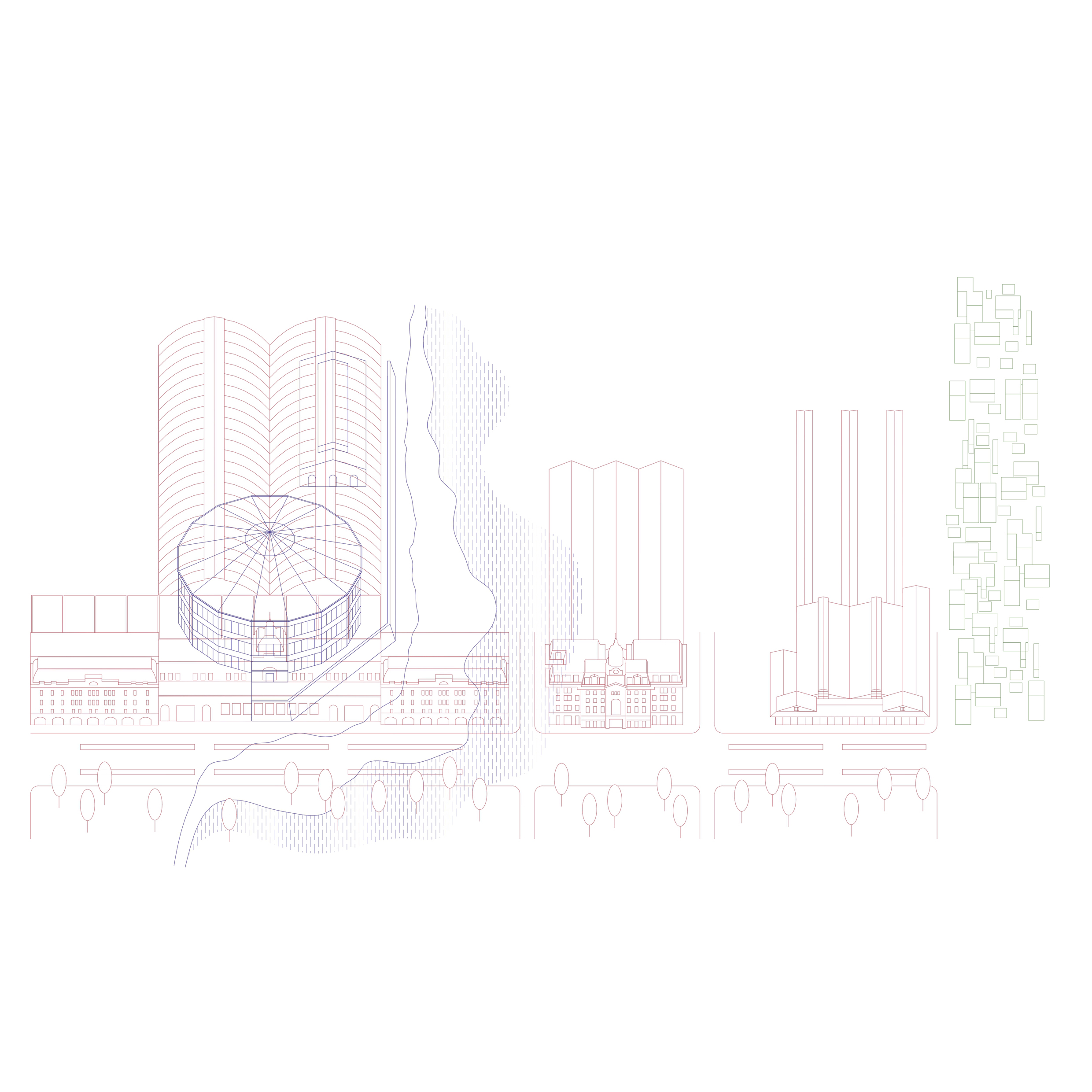
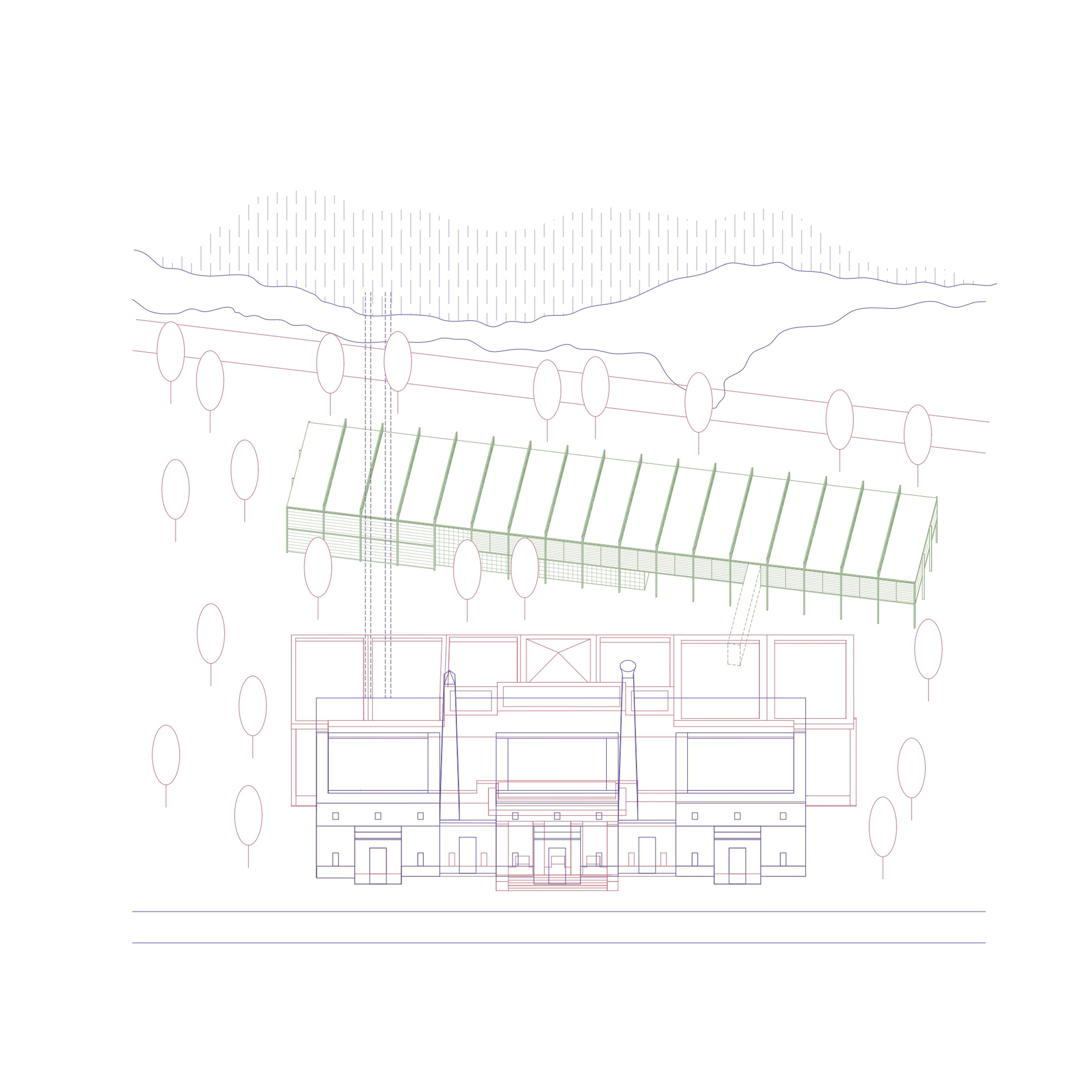
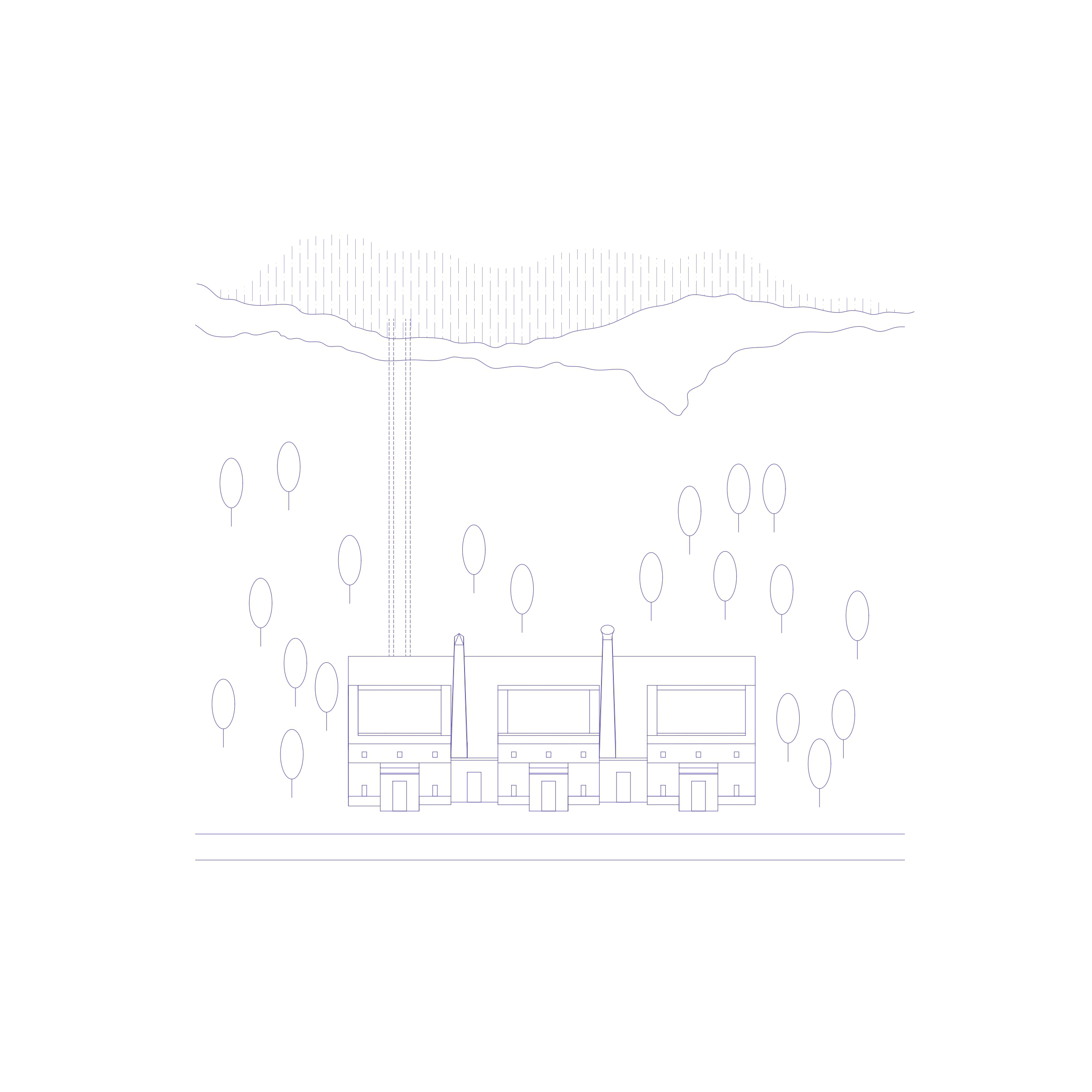
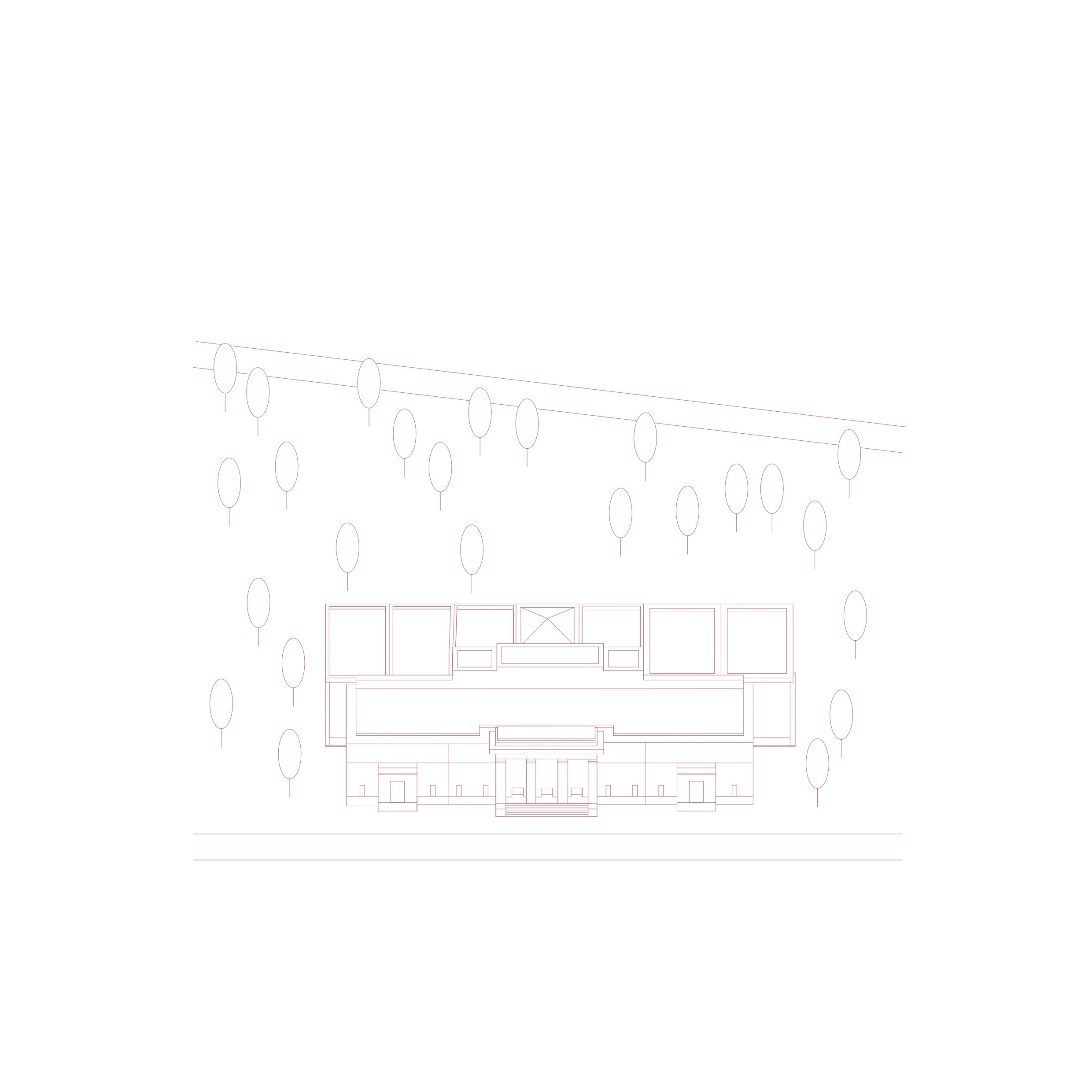
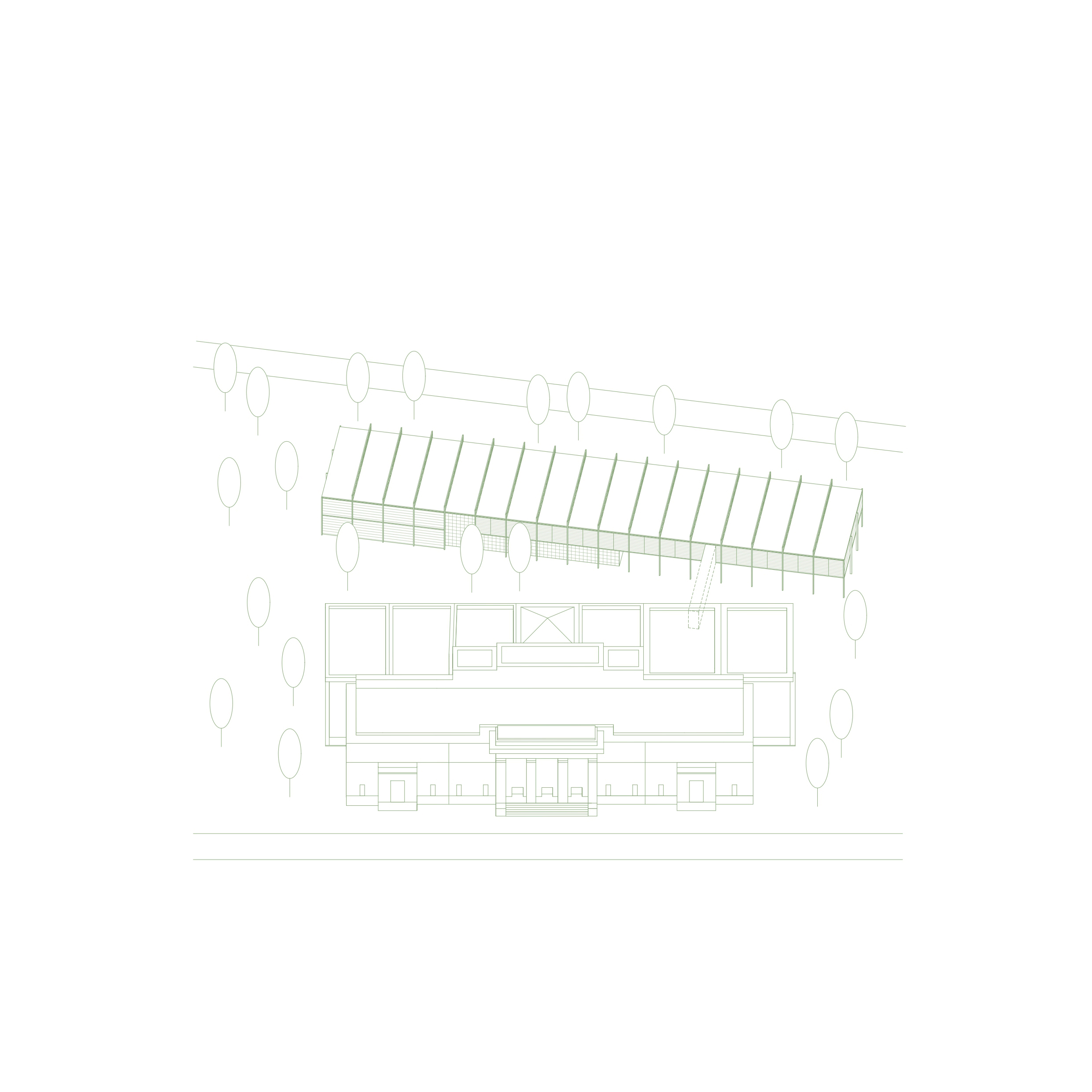
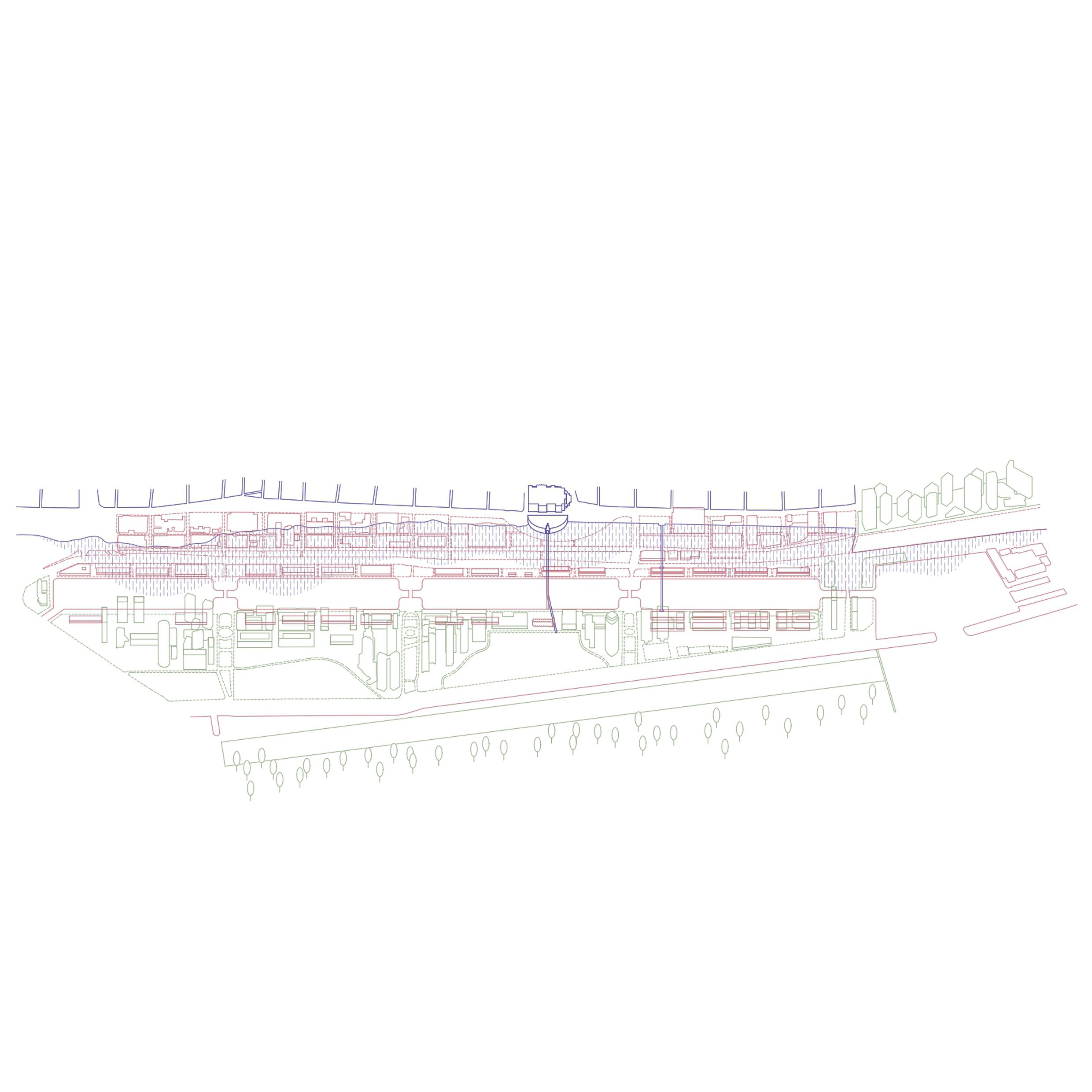
This project explores manifestations of an urban logic broad in its temporality, not as disconnected episodes, but as dissections of a series of policies that built the city and its territory.
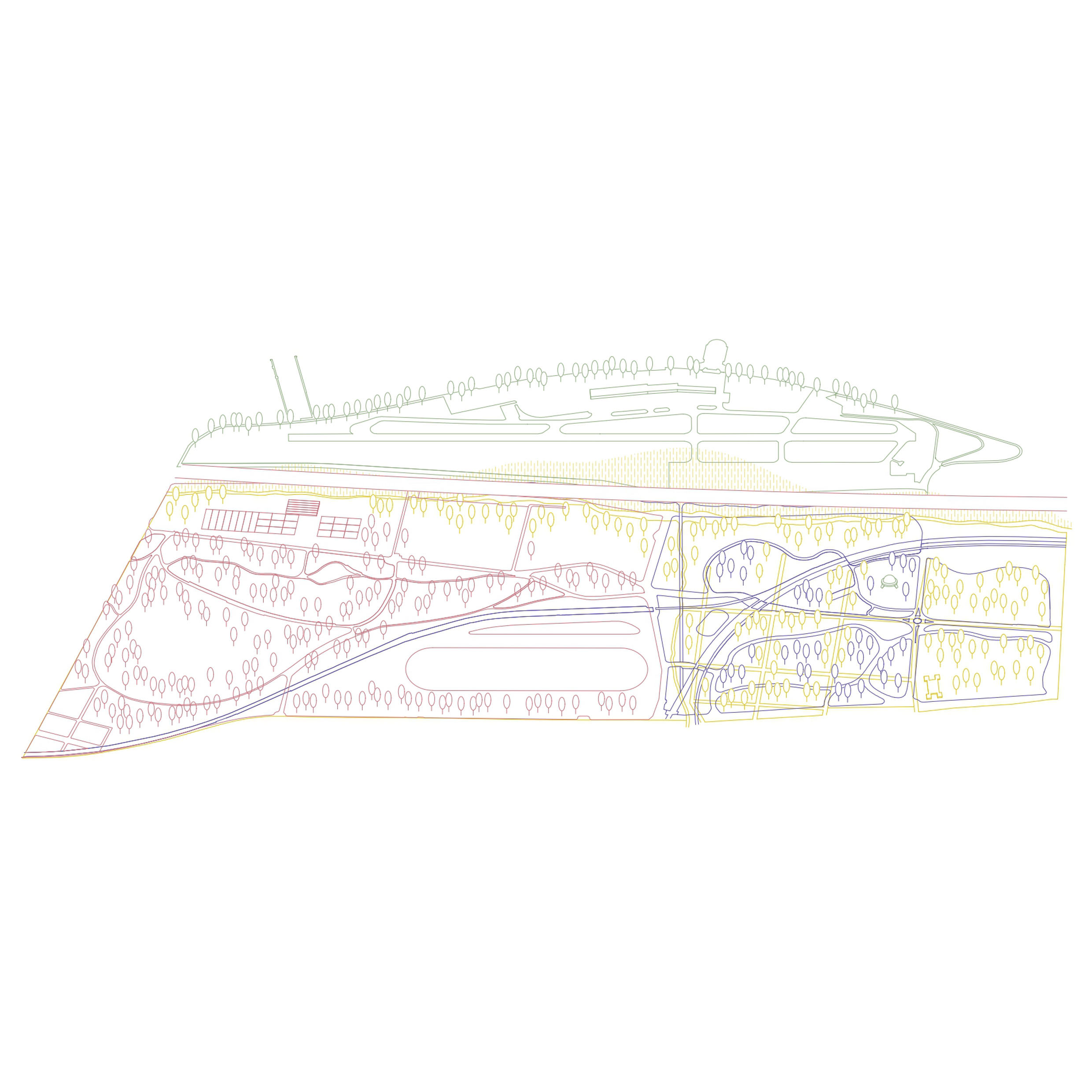
Each of these urban fragments bears witness to a larger strategy: the appropriation of the natural, the stabilization of the unstable, industrialization as a symbol of progress, and, finally, the contemporary reinvention of the global city.
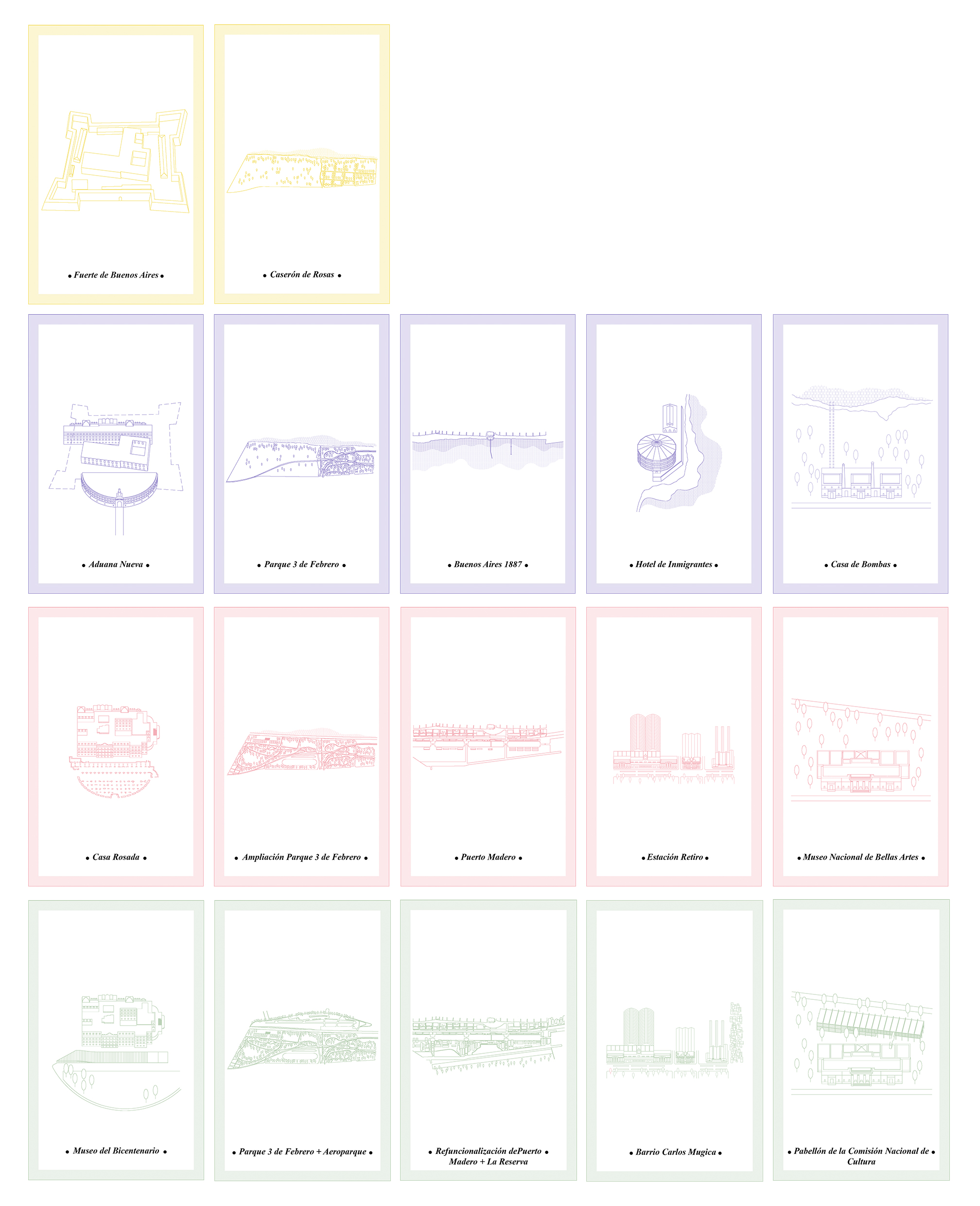
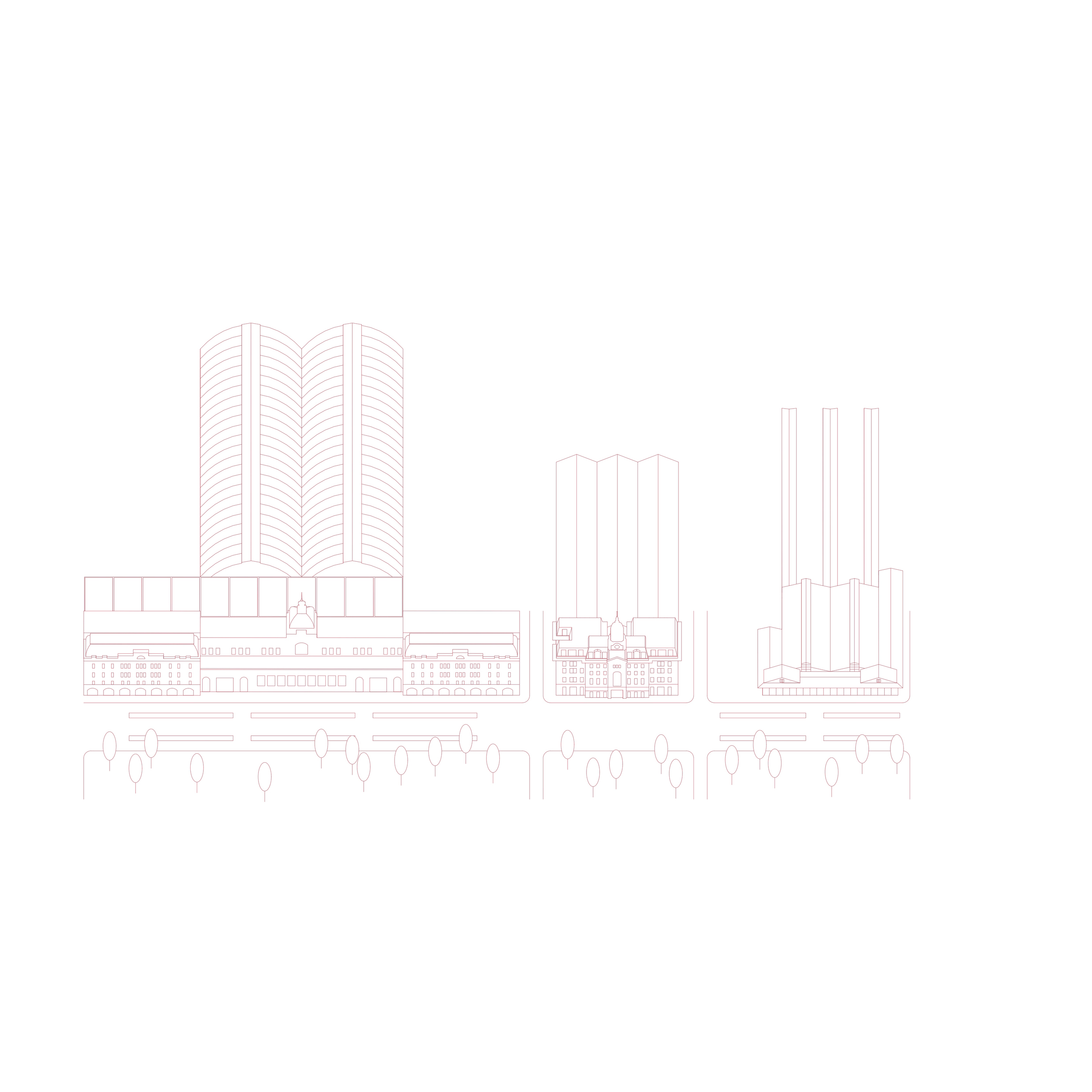
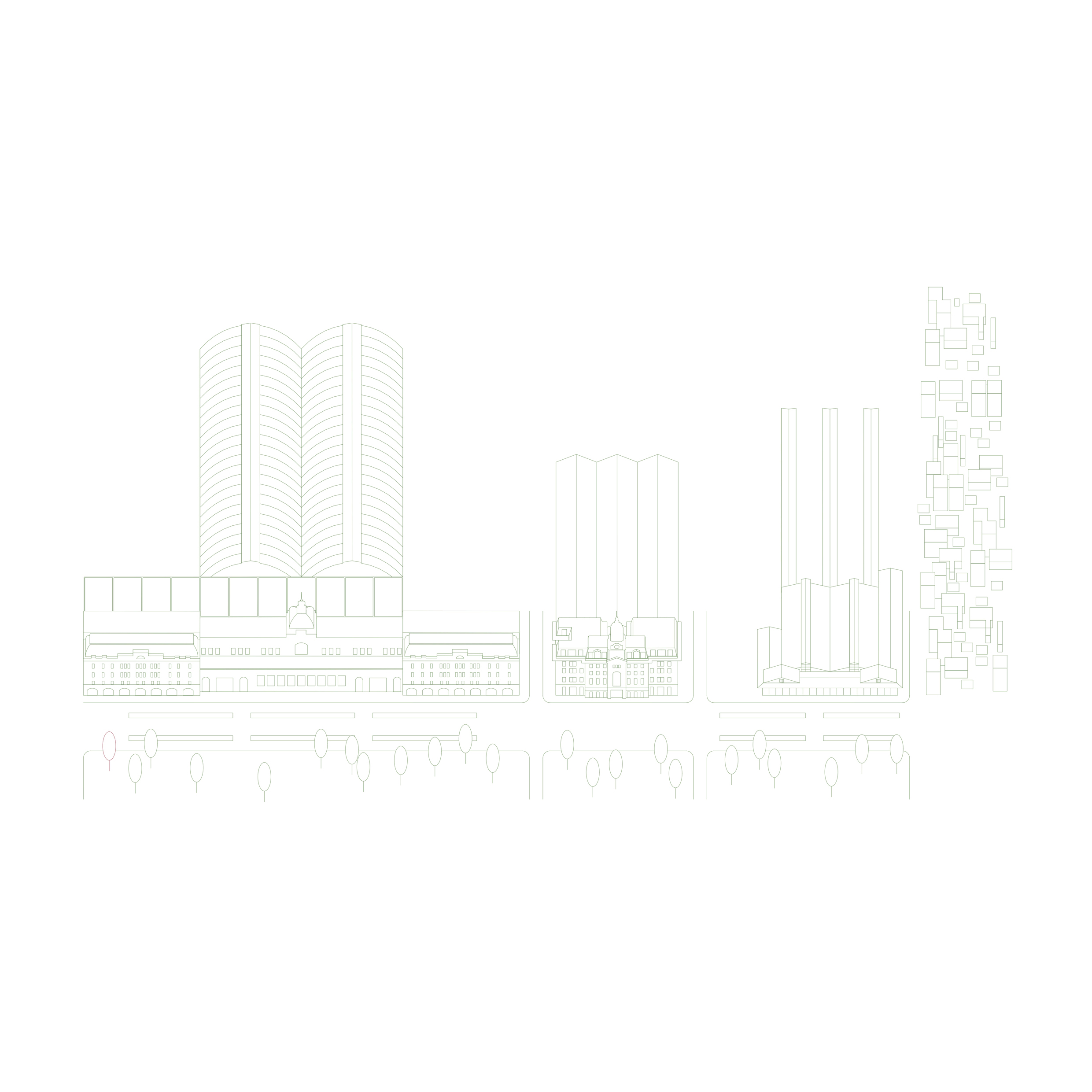
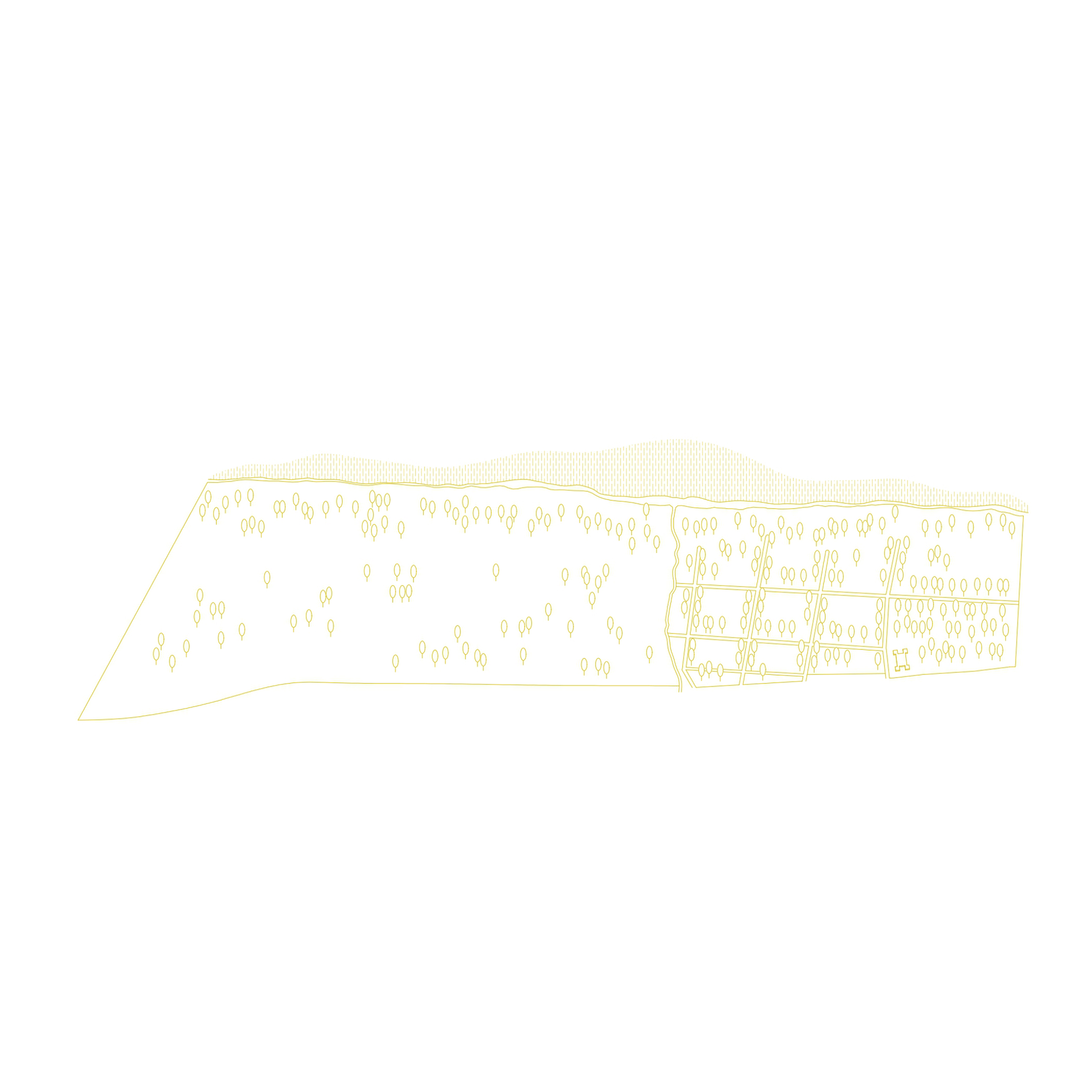
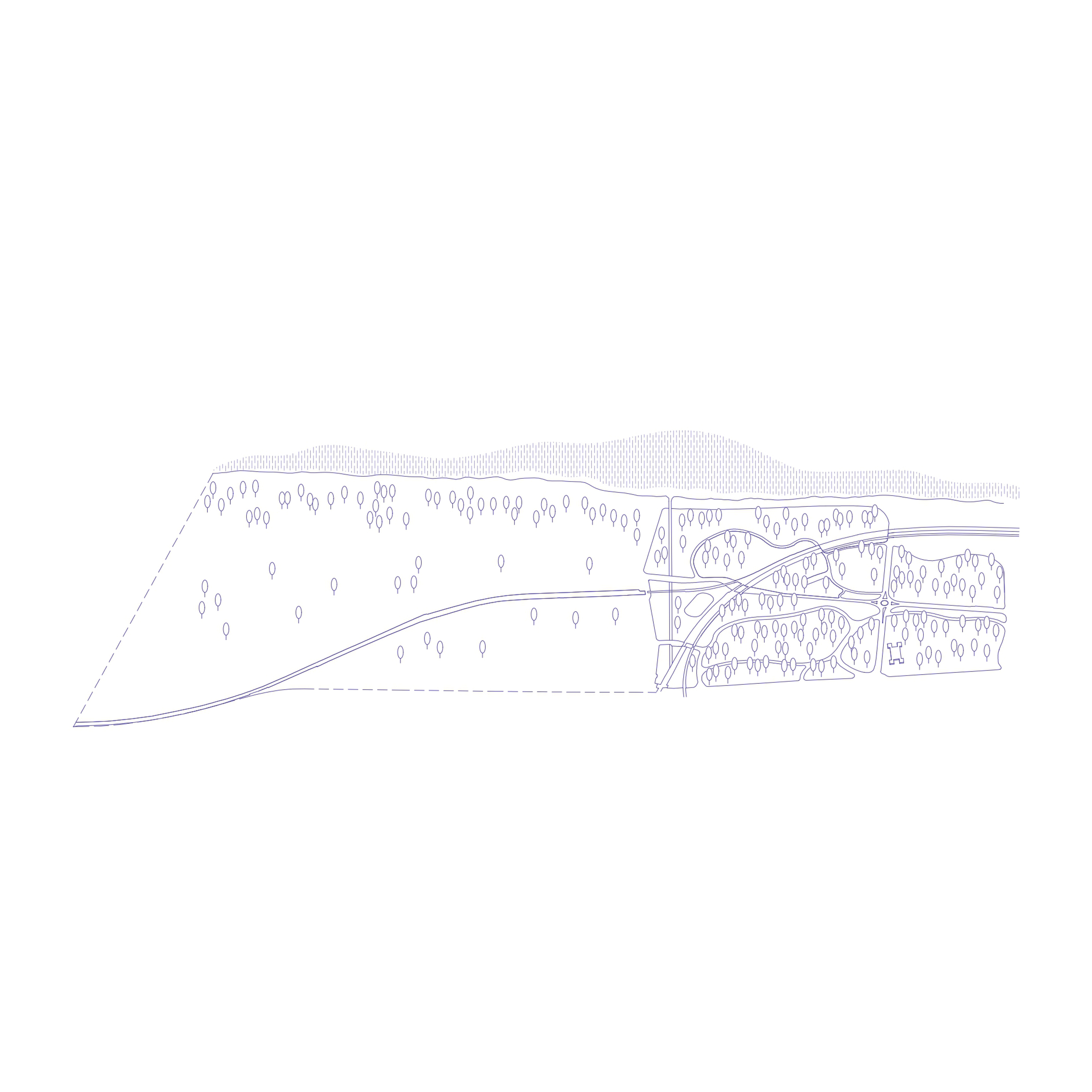
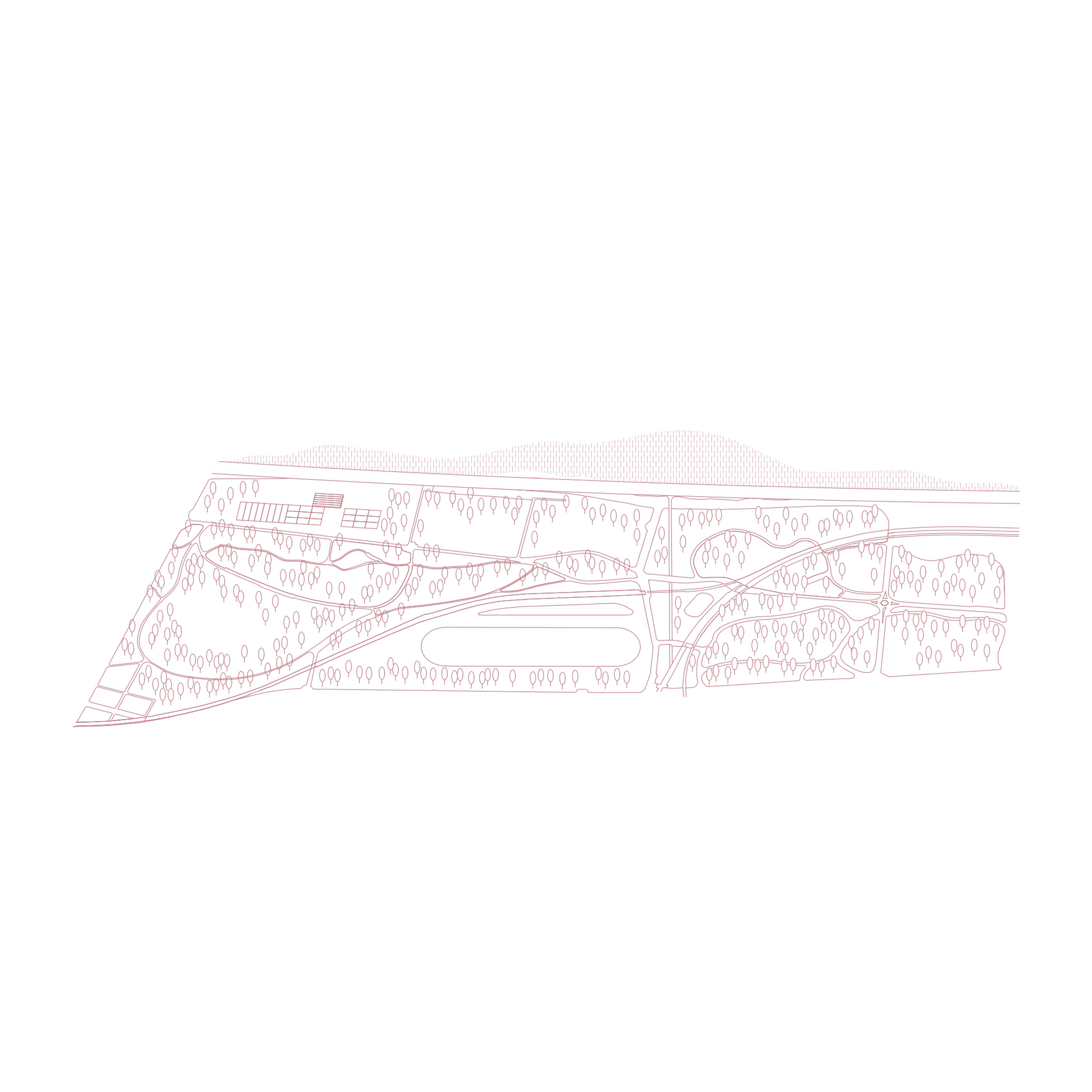
From this first fragmentary reading emerges the second operation: the act of renaming. First Garden, Primordial Artifice, Re-Artificialization, and Contemporary Nature are categories that seek not to order history chronologically or rigidly, but to reveal underlying affinities between interventions that, at first glance, seem unrelated to one another. These names do not simply designate moments in time, but states of the city, phases in which its relationship with the water and the territory has been redefined.
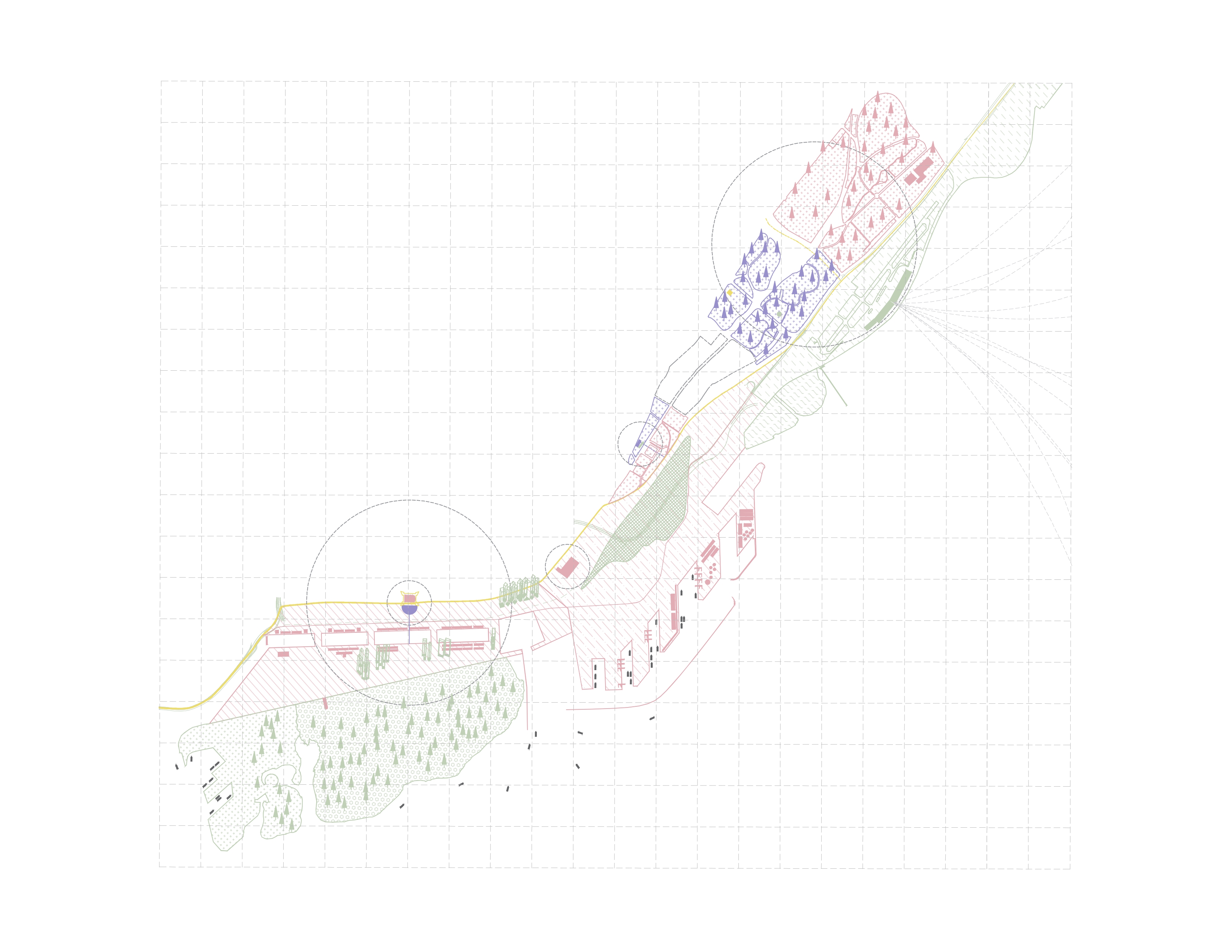
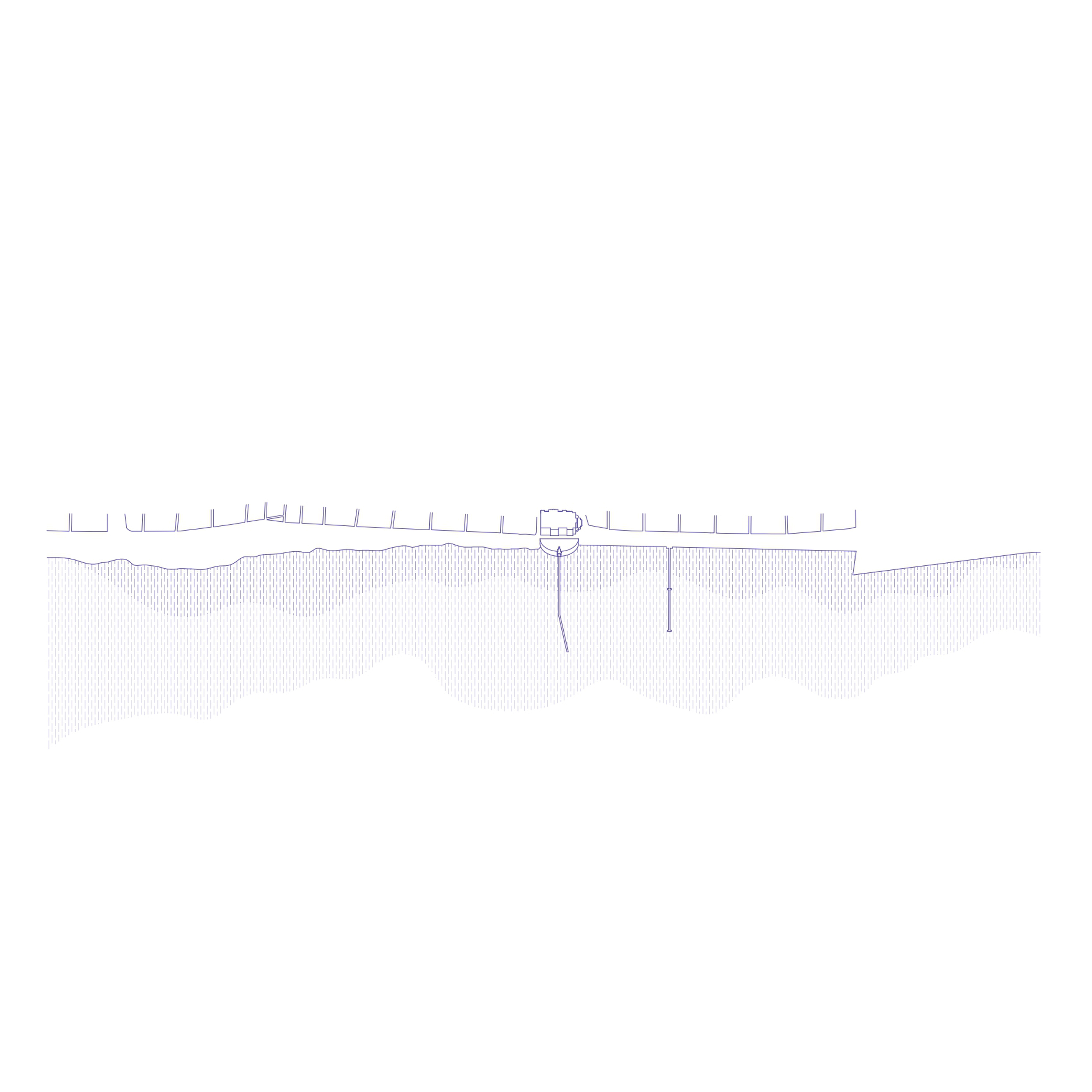
First Garden refers to those early gestures of occupation, where architecture is not yet monumental or fully urban, but rather an attempt to take root on unstable ground —a seed that begins the long process of colonization.
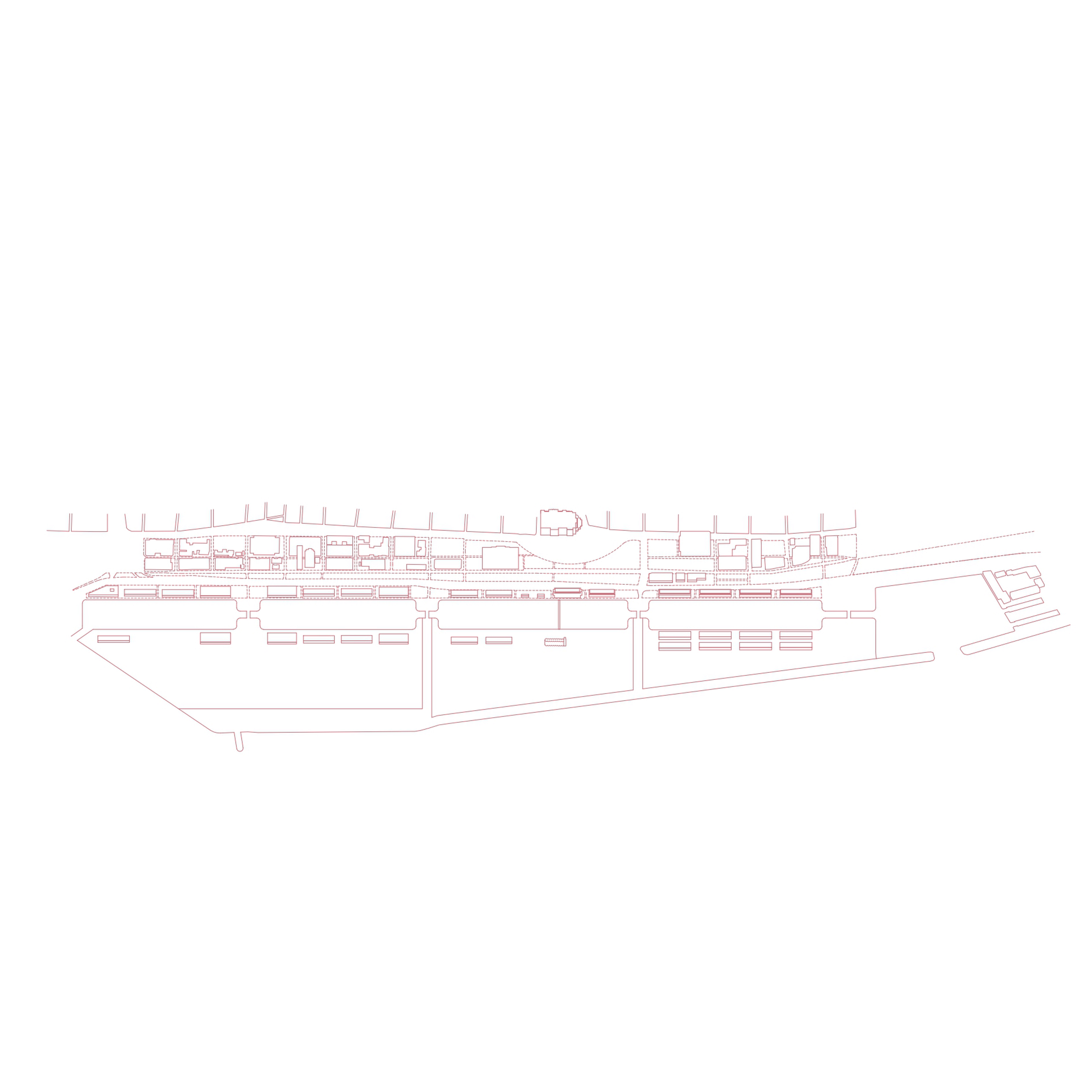
Primordial Artifice encompasses those initial pieces of infrastructure that consolidate occupation and allow the city to function as a system: customs houses, stations, supply and control systems.
Re-Artificialization marks the point at which the city intensifies its artificiality, driven by industrialization and the need to project its image to the world. Here appear the great facilities, the symbols of power, the port and railway infrastructure that link the city to the logic of modernity.
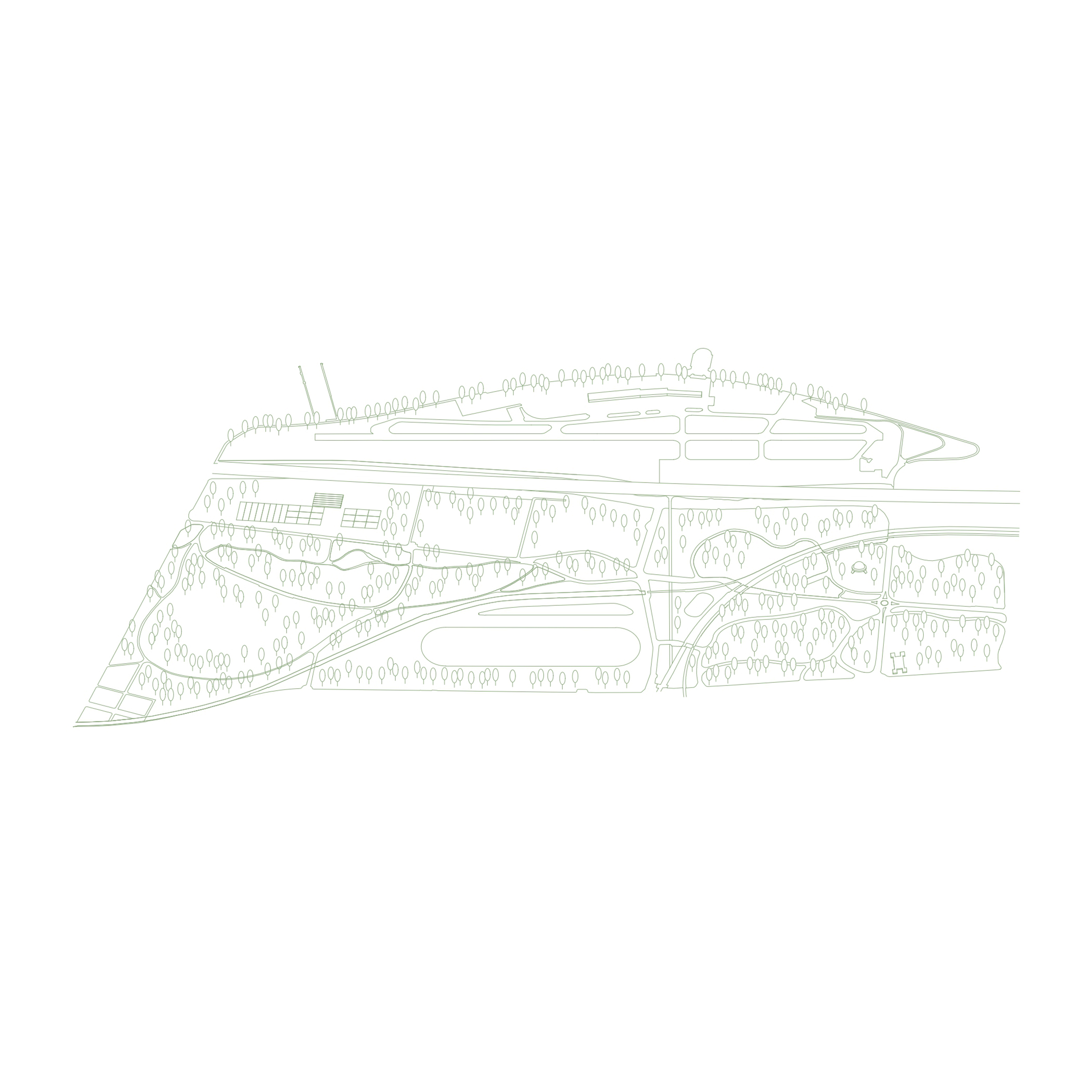
Contemporary Nature does not signal a return to the natural, but rather a new way of understanding its presence within the globalized city. At this stage, nature is no longer something foreign to the urban, but a construct reconfigured through landscape, infrastructure, and interventions that seek to integrate the natural within the artificial.
Beyond a simple archive of cases, this catalogue proposes a way of reading the city in terms of relationships and superimpositions. It is not a closed history nor a definitive sequence, but an open system, a methodology capable of incorporating new pieces and expanding into other contexts. Just as the city never stops transforming itself, this work does not seek to fix a single narrative either, but to generate tools for continuing to explore the many ways in which Buenos Aires, in its eagerness to extend itself, has reinvented its limits and its own memory.

Francisco Escapil es graduado en arquitectura por la Universidad Nacional de La Plata. Ha sido docente en el área de comunicación de la cátedra Intile en la Universidad de Palermo. Su experiencia académica se extiende a la participación en charlas en el Taller Habitatge Col·lectiu Contemporani de la ETSAB, la diplomatura Estrategias Proyectuales para el siglo XXI dictada por Federico Marinaro y Luis Rojo, y el workshop Encuentros Estructurales en Santiago de Chile, entre otras.
Actualmente, forma parte del equipo de IR Arquitectura, participando en proyectos de diversas escalas y colaborando en concursos nacionales e internacionales.
Además de su trabajo profesional, es un entusiasta del uso de tecnologías avanzadas, particularmente de la inteligencia artificial en arquitectura. Está generando material para una posible investigación sobre el potencial de la IA en este campo, explorando nuevas formas de integrar esta tecnología en el proceso arquitectónico.